

Education is at a key turning point in the digital age. Technology is changing how we live, learn, and connect. This article looks at the challenges and chances in digital-age education. It offers insights and strategies for this new era.
The digital revolution has changed learning. It has mixed traditional classrooms with online ones. Teachers and schools must adapt, using tech to improve learning. Tools like virtual classrooms and adaptive learning platforms could change education.
But, there are big challenges too. The digital divide means some don’t have the tech or resources they need. We must work to make sure all students have equal access to education.
The digital age also offers new chances. Personalized learning can make education better for everyone. With adaptive learning, students get content that fits their needs.
It’s important to teach critical thinking and digital skills. Students need to be ready for the future, where knowing how to use technology and work with others is key.
New areas like the metaverse are opening up new ways to learn. Learning together online brings both challenges and chances. We need to find the right mix of digital and traditional methods.
Education’s success in the digital age depends on embracing change. We must support teachers and use data to make smart decisions. By balancing tech and human touch, we can keep education innovative and full of opportunities in the digital world.
Embracing the Digital Transformation
The digital age has changed education a lot, making learning different. We’ve moved from traditional classrooms to virtual ones. Now, top schools use new tech to make learning fun and easy for students.
From Traditional Classrooms to Virtual Learning Environments
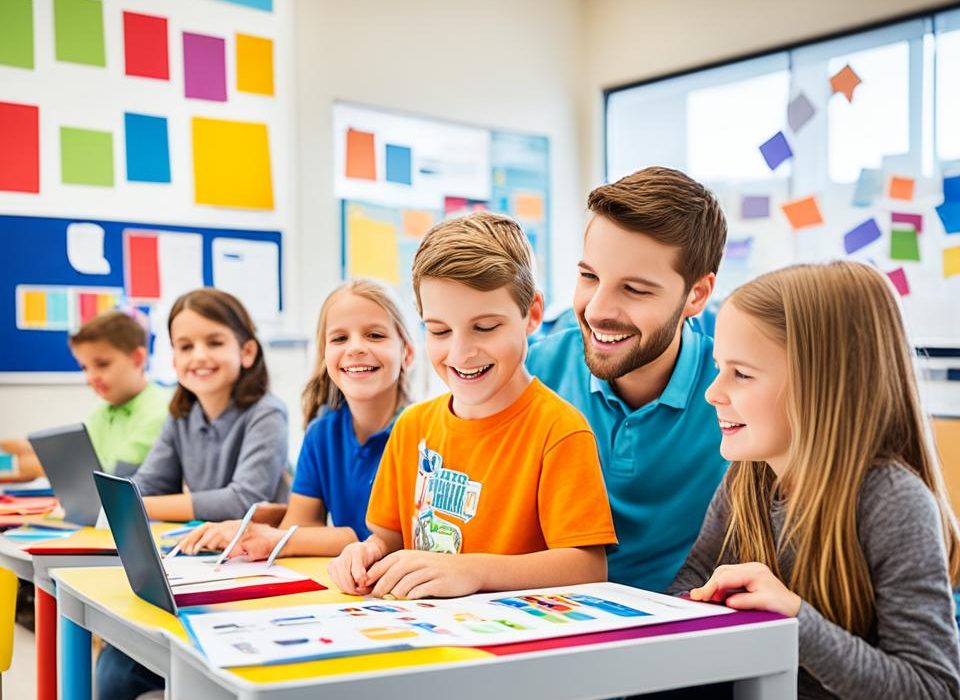
Switching to virtual learning has opened new doors. Students can now learn from anywhere, join discussions, and work with others at home. Online courses, video conferencing, and immersive simulations are now common. They let students learn in ways that fit them best.
The Rise of Educational Technology and Its Impact
Educational technology has changed how we teach and learn. New tools and platforms have made classes more engaging, personal, and collaborative. With things like adaptive learning and virtual reality, education has become more exciting and effective.
| Educational Technology | Impact |
|---|---|
| Online Courses | Increased accessibility and flexibility for learners |
| Video Conferencing | Enhanced virtual collaboration and interactive learning |
| Adaptive Learning Platforms | Personalized learning experiences tailored to individual needs |
| Virtual Reality Simulations | Immersive and engaging learning environments |
“The digital transformation of education is not about technology, but about empowering learners and fostering a culture of innovation and lifelong learning.”
Overcoming Digital Divide Barriers
In today’s digital world, the digital divide is a big challenge. It means some students don’t have the same access to devices, fast internet, and skills. Schools and leaders must make sure everyone gets the tech they need for learning.
Fixing this issue takes teamwork from teachers, community leaders, and government. Here are some ways to help:
- Give students from low-income homes free or cheap devices like laptops or tablets.
- Make sure more areas have fast internet so everyone can connect easily.
- Teach students the skills they need to use technology well.
- Help teachers learn how to use technology in their teaching.
By tackling the digital divide and bridging digital gaps, schools can be fair and open for everyone. This way, all students can do well in today’s digital world.
| Intervention | Impact | Implementation Challenges |
|---|---|---|
| Providing digital devices | Ensures access to essential learning tools | Securing funding and infrastructure support |
| Expanding high-speed internet | Enables remote learning and research | Coordinating with internet service providers |
| Implementing digital literacy programs | Empowers students to use technology effectively | Developing comprehensive curriculum and training teachers |
“Closing the digital divide is not just about providing access to technology, but also ensuring that students have the skills and confidence to use it effectively. It’s a critical step in creating a more equitable education system.”
Personalized Learning: Tailoring Education to Individual Needs
In today’s digital world, personalized learning has changed how we teach. Thanks to advanced tech, teachers can now make learning fit each student’s unique needs and ways of learning. Adaptive learning platforms lead this change. They use smart algorithms and data to give students customized lessons, feedback, and content that changes as they learn.
Adaptive Learning Platforms and Their Benefits
These platforms change to fit each student’s progress, strengths, and areas where they need help. They check how well a student is doing and change what they learn, how fast, and how. This way, every student gets the right support and challenges to do well in school.
- Personalized content: These platforms pick learning materials that match what each student needs, likes, and learns best.
- Real-time feedback: Students get feedback right away, helping them spot and fix their knowledge gaps quickly.
- Adaptive pacing: The speed of learning changes with the student’s progress, keeping them from getting left behind or bored.
- Targeted interventions: When students struggle, these platforms offer special help to help them get past those tough spots.
- Data-driven insights: The platforms gather and look at student data. This helps teachers make better choices and improve their teaching.
By using personalized learning and adaptive learning platforms, teachers can open new doors for students’ success. They make learning more inclusive, fun, and effective for everyone.
Fostering Critical Thinking and Digital Literacy
The job market and workforce are always changing. Schools now focus on giving students the skills they need to succeed. They’re teaching critical thinking, problem-solving, and digital literacy to get ready for the future.
Preparing Students for the Future of Work
Rote memorization and basic tech skills aren’t enough anymore. Today, employers want people who can think critically, adapt fast, and use digital tools to solve problems. Schools are teaching critical thinking education and digital literacy to help students succeed in the future of work skills.
Teachers use new methods and tech to make students adaptable and tech-savvy problem-solvers. Students learn to think critically, communicate well, and use digital tools to solve real-world problems. They do this through virtual simulations and online projects.
| Key Skills for the Future of Work | How Schools are Developing These Skills |
|---|---|
| Critical Thinking | Encouraging analytical problem-solving, decision-making, and creative thinking through project-based learning and case studies. |
| Digital Literacy | Integrating digital tools, coding, and data analysis into the curriculum to prepare students for technology-driven careers. |
| Adaptability | Fostering agility, resilience, and the ability to learn new skills through dynamic, personalized learning experiences. |
Schools are focusing on critical thinking education, digital literacy, and future of work skills. This prepares students for the changing job market of tomorrow.
“The future of work demands a new set of skills that go beyond technical expertise. By nurturing critical thinking and digital literacy, we’re equipping students to navigate an ever-changing landscape with confidence and creativity.”
Education in the Metaverse: Exploring New Frontiers
Technology is changing fast, and education is catching up. The metaverse, where virtual, augmented, and physical worlds meet, offers new chances for teachers to change how we learn. Education in the metaverse and virtual reality education are making learning more immersive and fun, going beyond old-school classrooms.
Now, schools are using VR and AR to make learning exciting. These tools let students enter virtual worlds that are interactive and beautiful. They can explore, work together, and learn in ways we never thought possible.
“The metaverse has the potential to redefine the very fabric of education, transforming passive learning into an immersive, interactive, and personalized experience.” – Dr. Emily Garrison, Professor of Educational Technology
The metaverse opens up new doors for education in the metaverse. Students can go on virtual trips to places they’ve never seen before, like historical sites or other planets. AR makes learning even better by letting students see complex ideas in their real world.
It also makes group projects and learning from each other easier. This helps students think better, solve problems, and talk more clearly. These skills are key for the future job market.
The metaverse is still growing, and so is the chance for virtual reality education. Teachers and leaders need to work together to make sure everyone can use this new tech. They should make sure education in the metaverse is for everyone, no matter their background or abilities.
Collaborative Learning in the Digital Age
The way students learn together has changed a lot in the digital age. New online tools and platforms let learners work together, share ideas, and talk with each other from anywhere in the world. This new way of learning makes school better and gets students ready for working together in the future.
Collaborative learning in the digital age lets students work together without being in the same room. They can join virtual teams, work on projects online, and talk in real-time, no matter where they are. This helps build a strong community and brings different ideas together, making learning more interesting.
Adding online group projects to school helps students learn important skills like talking, working together, and solving problems. With digital tools, they can plan, share tasks, and give feedback to each other. This is similar to how they will work together in their future jobs.
“Collaborative learning in the digital age has transformed the way students engage with each other and the content they are learning. It’s not just about acquiring knowledge, but also about developing the critical skills needed to thrive in the modern workforce.”
Teachers are taking advantage of the digital age to change how we learn together. By using technology in school, we can help students take charge of their learning. This makes them understand better and feel part of a community.

Striking the Right Balance: Merging Digital and Traditional Approaches
The shift to digital education has brought many benefits. Yet, finding the right mix between digital and traditional teaching is key. Technology lets us learn in new ways and keeps students engaged. But, the importance of talking face-to-face in school can’t be ignored.
The Importance of Human Interaction in Education
In today’s world, where screens are everywhere, we need real human interaction more than ever. Educators and experts agree that the personal connection between teachers and students is crucial for learning. This kind of interaction helps students grow emotionally, solve problems together, and learn social skills. These skills are hard to get from just using technology.
By mixing digital and traditional teaching, educators can use the best of both worlds. They can make learning richer and more complete. This way, teachers use technology to improve learning while keeping the personal touch that students need to grow.
| Advantages of Balancing Digital and Traditional Education | Challenges of Overreliance on Digital Learning |
|---|
- Personalized learning and adaptive technologies
- Increased student engagement and motivation
- Access to a vast array of digital resources and educational tools
- Opportunities for collaborative learning and virtual discussions
- Lack of face-to-face interaction and social development
- Potential for increased screen time and digital fatigue
- Unequal access to technology and the risk of widening the digital divide
- Difficulty in maintaining academic integrity and preventing cheating in online assessments
By finding the right balance between digital and traditional education, teachers can make a learning space that uses technology well. At the same time, they keep the value of human interaction in education. This approach gives students a full education, getting them ready for the future and helping them grow personally.
Upskilling Educators for the Digital Classroom
Education is changing fast in the digital age. It’s important that teachers have the skills to keep up. Programs that help teachers learn new things are key. They make sure teachers can give their students the best education.
Professional Development and Continuous Learning
Teachers need to keep learning to stay current with technology in the classroom. They can do this through workshops, online courses, and learning from each other. This helps them get better at using technology and teaching in new ways.
By always learning new things, teachers can get better at using digital tools. This helps them teach their students to use technology well too. This ongoing learning is vital for teachers and students to succeed in today’s world.
| Key Benefits of Upskilling Educators | Strategies for Continuous Learning |
|---|
- Enhanced digital literacy and proficiency
- Improved ability to integrate technology into lesson plans
- Increased confidence in navigating the digital classroom
- Capacity to provide personalized, technology-driven learning experiences
- Participating in online professional development courses
- Attending in-person workshops and conferences
- Engaging in peer-to-peer learning communities
- Experimenting with new educational technologies and sharing best practices
By focusing on upskilling educators digital classroom, schools can help their teachers succeed in the digital age. This leads to better education for students.
“The role of the teacher is to create the conditions for invention rather than provide ready-made knowledge.” – Seymour Papert
Data-Driven Decision-Making in Education
Welcome to the digital revolution, where data is key in education. Schools and policymakers use data analytics and digital tools to find valuable insights. They track student progress and make smart choices to improve learning and outcomes.
Now, we don’t just guess or rely on stories. Educators and leaders look at lots of data, like attendance and how well students do. This helps them see where to improve, make lessons fit each student, and use resources better. Their aim is to help students do their best.
Data-driven decisions are changing education for the better. With the right tools and plans, schools can use data to make better choices. This leads to better student success, more effective teachers, and learning that fits each student.