

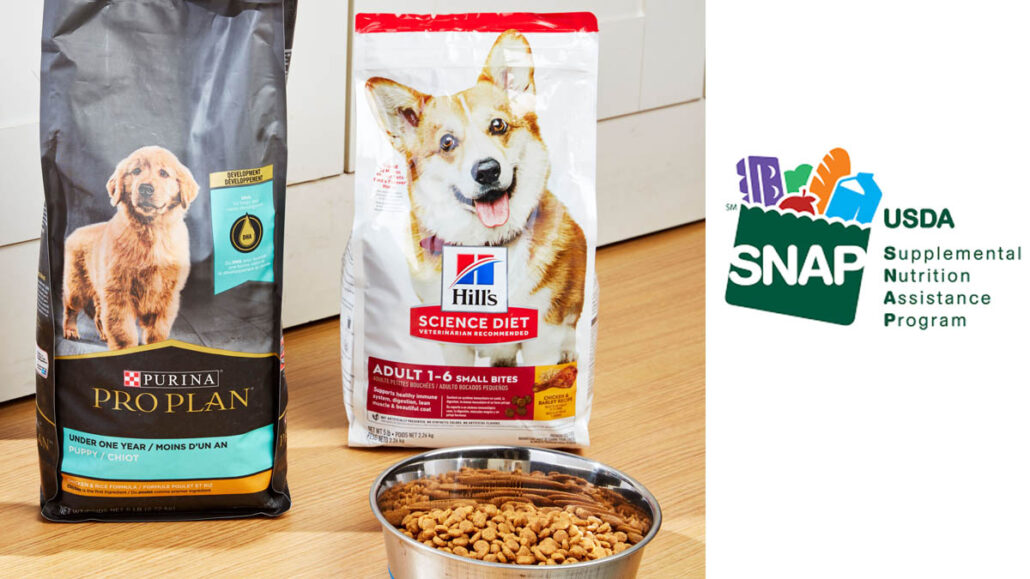
Can You Buy Dog Food with Food Stamps? The short answer is no, you cannot buy dog food with food stamps. I know that might sound disappointing, but it’s the reality under current USDA (United States Department of Agriculture) guidelines.
- Does Dollar General Accept EBT
- P-EBT PA Check Balance – How to Check Balance on P-EBT Card PA
- Does Jack In The Box Accept EBT
- Does CVS Accept Apple Pay
- Check CVS Gift Card Balance – How to Check the Balance Online
- Does Burlington Accept Apple Pay
- Does Dollar General Take Apple Pay
- Paystub Portal Login Dollar General – How to access My Paystubs
- Does Monohan’s Take EBT Cards
- Does Trader Joe’s Accept SNAP
- Free Tablet with EBT – How to Get a Free Tablet With EBT
- Does Aldi Accept WIC
- Compass Mobile.dollar Tree.com Schedule – View and Manage Schedule
- Does Vitacost Accept EBT
- Does Trader Joe’s Accept Food Stamps
The Official Rules from USDA
According to the USDA, SNAP benefits can only be used to buy food meant for people. Since dog food, cat food, and other pet supplies are considered “non-food items,” they’re automatically excluded from EBT purchases. It doesn’t matter if you try to buy them at Walmart, Target, or even Amazon, if you use your EBT card, the transaction will be denied.
Why Pet Food Is Not Covered
The reasoning comes down to definitions. For SNAP, “food” is strictly defined as something that humans eat. Anything outside that scope, even if it feels essential to you, isn’t covered. The government assumes that pet expenses fall into the same category as household goods, cleaning supplies, or personal care products.
Common Confusions People Have
A lot of people get confused because they see dog food being sold in the same store where they use their EBT card. But just because it’s on the shelf next to human food doesn’t mean it’s eligible. Another common misconception is thinking you can “mix” your SNAP card with cash in one purchase. You can but the SNAP portion will only cover eligible items. You’ll still need to pay separately for pet food.
So if you’ve been hoping to swipe your card and grab a bag of kibble for your dog, sadly, that’s not possible.
Why Dog Food Isn’t Eligible Under SNAP
The Definition of “Food” in SNAP Terms
In everyday language, dog food is food, it nourishes a living being. But in government terms, it’s not considered “food” because SNAP is only concerned with human nutrition. That’s why the rules are written so narrowly.
The Focus on Human Consumption Only
The whole point of SNAP is to fight hunger among humans. Pets, as much as we love them, don’t fall into that category. It may seem heartless, but the policy is designed to keep the program’s funding focused on feeding people.
Alternative Ways to Get Dog Food If You’re on Food Stamps
If you can’t buy dog food with SNAP, the good news is that there are other ways to get help. You just have to know where to look.
Local Animal Shelters and Pet Food Banks
Many animal shelters run pet food pantries specifically for families who are struggling. These organizations understand that keeping pets in homes is better than having them surrendered because of financial hardship. Some shelters even hand out free bags of food every month to qualifying families.
Charities and Community Organizations
Non-profits and charities often step in where government programs fall short. Churches, food pantries, and community outreach groups sometimes provide pet supplies alongside regular groceries. If you’re comfortable asking, these places can be lifesavers.
Pet Food Assistance Programs from Big Brands
Some major pet food companies have programs that donate food to families in need. Brands like Purina and Hill’s Science Diet partner with shelters and veterinary clinics to distribute free or discounted food. It’s worth checking their websites or calling local vet offices to see if you qualify.
Asking for Help from Friends, Family, or Community
Sometimes the simplest solution is reaching out to your network. Friends, family, or even neighbors may have extra bags of food or be willing to chip in. Online community groups, like those on Facebook or Nextdoor, are also full of people who are willing to help out a fellow pet owner in need.
How to Get Free Bags of Dog Food?
When money is tight and your SNAP benefits don’t stretch far enough, one of the biggest worries is making sure your dog doesn’t go hungry. While you can’t buy dog food with food stamps, the good news is that there are multiple ways to get free bags of dog food if you know where to look. I’ve been in this position before, and trust me, these options can make a real difference.
Signing Up for Local Pet Assistance Programs
Many communities have specific pet assistance programs designed to help low-income families. These programs work just like a food pantry but focus on pets. They distribute free bags of dog food, cat food, and sometimes even basic supplies like leashes and bowls. Some are run by humane societies, while others are operated by volunteer groups who just want to help pets stay with their families.
You can usually find these programs by searching online for “pet food pantry near me” or calling your local animal shelter. The best part? Most of them don’t make you jump through a ton of hoops, they understand you’re in need and want to help right away.
Veterinary Clinics Offering Help
Veterinarians see firsthand how much pets mean to families. Some clinics keep small supplies of free or discounted food on hand for clients who are struggling financially. If your dog already goes to a vet, it’s worth asking quietly if they know of any assistance programs. Many vets are connected with donation networks and may be able to provide temporary help.
Some larger veterinary hospitals even have “community care” funds where pet food is included as part of their outreach. Don’t be afraid to ask, sometimes help is available, but you won’t know unless you speak up.
Online Giveaways and Coupons
Believe it or not, big pet food brands often run promotions where they give away free samples or heavily discounted bags. Signing up for newsletters from companies like Purina, Blue Buffalo, or Hill’s Pet Nutrition can get you access to coupons that make food much more affordable.
Additionally, many rescue groups and nonprofits use social media to announce giveaways. Following local animal rescue Facebook pages can connect you to surprise opportunities.
Religious and Community Groups
Churches, community centers, and other faith-based organizations often step up when people are in need. Even if they don’t officially advertise pet food assistance, it’s worth reaching out and asking. Many times, they partner with larger food banks or receive donations from the public specifically for pets.
Some religious groups even run “pet blessing” events and hand out food as part of the celebration. It may sound unusual, but every bag counts when you’re trying to make sure your furry friend doesn’t go hungry.
The Emotional Side of Not Being Able to Buy Dog Food with Food Stamps
Let’s be real, pets are family. For me, my dog isn’t just an animal; he’s my companion, my stress reliever, and sometimes the only one who listens without judgment. So when you’re told, “No, you can’t use food stamps to buy dog food,” it feels like a punch to the gut.
Pets as Family Members
If you’ve ever come home after a long, exhausting day and been greeted with a wagging tail, you know the comfort pets bring. They’re not “just dogs” they’re our children, our protectors, and our best friends. That’s why it’s so painful when the system treats them as if they don’t matter.
The Stress of Choosing Between Feeding Yourself or Your Dog
This is where things get heartbreaking. Some people on SNAP end up skipping meals just so they can feed their pets. I’ve been in that situation standing in the kitchen, looking at what’s left, and deciding whether I’ll go hungry so my dog won’t.
That’s not a decision anyone should have to make. Yet, because dog food isn’t covered by EBT, many families find themselves caught in this painful balancing act.
Other Government and Non-Profit Support Options
While SNAP doesn’t cover dog food, there are still ways the government and non-profits try to help. It’s not perfect, but it can ease some of the burden.
Are There Any Pilot Programs for Pet Food?
Currently, there’s no official government program that lets you buy pet food with food stamps. However, there have been ongoing discussions about whether the rules should expand. Some lawmakers have suggested allowing a small percentage of SNAP benefits to go toward pet food, but so far, nothing has passed.
Organizations That Step In to Fill the Gap
Luckily, non-profit organizations are stepping up. Groups like The Pet Food Pantry, PetSmart Charities, and Feeding Pets of the Homeless provide food assistance for struggling families. Many of these organizations rely on donations, so availability may vary, but they’ve helped thousands of pets stay out of shelters.
Pet Insurance and Low-Cost Care Programs
Another overlooked resource is low-cost veterinary programs. While they may not give out food directly, some include food assistance as part of their community outreach. Pet insurance can also help free up money you would otherwise spend on medical bills, leaving you with more to put toward food.
When you piece together these different resources, it becomes a patchwork of support that helps keep pets where they belong, at home with the people who love them.
Smart Budgeting Tips for Pet Owners on Food Stamps
If you’re living on SNAP, you already know every dollar counts. The trick is figuring out how to stretch your money so you can still care for your dog.
Finding Affordable Dog Food Brands
Not all dog food is created equal, and some brands are much more expensive than others. You don’t have to buy the priciest bag on the shelf to keep your pet healthy. Generic or store brands often meet the same nutritional requirements at a fraction of the cost. Checking labels for protein, fat, and vitamin content helps you choose wisely without overspending.
Stretching Out Pet Food Safely
It’s tempting to make a bag of kibble last longer by reducing portions, but that can harm your dog’s health. Instead, you can safely stretch meals by mixing in inexpensive, dog-friendly foods like cooked rice, plain boiled chicken, or vegetables such as carrots and green beans. Just make sure you avoid toxic foods like onions, grapes, and chocolate.
Making Homemade Dog Meals (When Safe and Approved by Vets)
Some pet owners turn to homemade meals. While this can work, it’s important to talk to a vet or look up approved recipes because dogs need specific nutrients like taurine and calcium. A poorly balanced homemade diet can do more harm than good. That said, making food at home using bulk ingredients can sometimes be cheaper than store-bought kibble.
By combining smart shopping with careful planning, you can stretch your budget without sacrificing your pet’s well-being.
Should SNAP Cover Dog Food in the Future?
This is the million-dollar question: should the government allow people to use food stamps to buy dog food? I’ll be honest, I’ve wrestled with this question myself. On one hand, pets are family. On the other hand, SNAP is meant to fight human hunger, not cover every expense in life. Let’s break it down.
Arguments in Favor of Expanding SNAP
Many people believe SNAP should allow at least some flexibility for pet food purchases. Here’s why:
- Pets keep families together. Some families are forced to surrender their dogs to shelters because they can’t afford food. Allowing SNAP to cover dog food could prevent heartbreak and overcrowded shelters.
- Pets improve mental health. Studies show that pets reduce stress, anxiety, and depression. If SNAP is about health and well-being, then supporting pet ownership indirectly supports human health.
- It wouldn’t take much. Even allowing a small percentage of SNAP benefits to be used for pet food—say 5–10% would help countless families without drastically increasing costs.
Arguments Against Covering Pet Food
Of course, there’s another side. Critics say:
- SNAP has a limited budget. Expanding coverage could mean less money for human food.
- Pets are optional. Unlike children, having a pet is a choice. Some argue that taxpayer money shouldn’t go toward pet care.
- Slippery slope. If SNAP covers pet food, should it also cover cleaning supplies, toiletries, or other household needs?
Possible Middle Ground Solutions
I believe the solution might lie in partnerships rather than policy changes. For example, creating a Pet SNAP Partnership Program where the USDA works with pet food companies and nonprofits to supply discounted or free pet food alongside human food assistance. That way, the SNAP budget stays intact, but families don’t have to choose between feeding themselves and their dogs.
It’s not a perfect answer, but it’s a step in the right direction.
Misconceptions About Buying Dog Food with Food Stamps
There’s a lot of confusion out there about EBT and what it covers. I’ve heard plenty of myths floating around, so let’s clear a few of them up.
What People Assume Versus the Reality
Some people assume that because dog food is sold in grocery stores, you can just pay for it with SNAP. Nope. The store’s system automatically blocks ineligible items, and dog food is on that list. Even if you’re at Walmart or Target, your card won’t go through for pet food.
Others think you can buy pet food if you label it as “human consumption.” For example, some people have joked about eating dog biscuits themselves. While it’s technically true that SNAP covers food for humans (no matter how odd), intentionally misusing benefits can get you in serious trouble. It’s not worth the risk.
Why Cash and SNAP Can’t Be Mixed Freely
Another common misunderstanding is thinking you can pay for dog food with part SNAP and part cash. You can pay for it in the same transaction, but your SNAP funds will only cover the eligible items. You’ll still need to use your own cash, debit, or credit card for the pet food portion.
So yes, you can buy your groceries and dog food in one go, but only your groceries will be covered by EBT.
Retailer Policies and How They Enforce Rules
Retailers don’t have a choice in the matter. Their systems are programmed to separate eligible items from ineligible ones. That’s why, at checkout, your receipt usually shows which items were paid for by SNAP and which ones weren’t. If you try to slip in a bag of dog food, the cashier will simply tell you it’s not allowed.
The rules are strict, and the stores must follow them or risk losing their SNAP authorization.
Can You Buy Dog Food with EBT Food Stamps at Big Stores?
This is where things get even more confusing for people. Different stores sell dog food, but the same rules apply everywhere.
Walmart, Target, and Grocery Stores
At Walmart, Target, or your local grocery store, you can fill your cart with both groceries and pet supplies. But when you swipe your EBT card, only the food items meant for people will go through. The dog food will get flagged, and you’ll have to pay separately with cash or another form of payment.
Pet Stores Like Petco and PetSmart
What about places like Petco or PetSmart? Since these stores mostly sell pet supplies, your EBT card won’t be much help there. Even if they sell small sections of human snacks or drinks, it’s unlikely that you’ll be able to use your benefits meaningfully. Dog food, treats, toys, and supplies will all be ineligible.
Online Retailers like Amazon and Chewy
Amazon accepts EBT for certain grocery items, which is great for people who need delivery. However, Amazon is still bound by the same rules. Dog food isn’t eligible for SNAP, so even though it’s in your cart, it won’t be covered. Chewy, on the other hand, doesn’t accept EBT at all, since they deal exclusively in pet products.
So whether it’s in-store or online, the answer doesn’t change, you can’t buy dog food with food stamps.
Navigating Life as a Pet Owner on SNAP
Living on a tight budget while caring for a dog is not easy. But with some creativity and resourcefulness, it’s possible to make it work.
Emotional Health and Pets
Pets give us love, stability, and a sense of purpose. For many people on SNAP, their dog is the one bright spot in an otherwise stressful life. That emotional support is priceless. Recognizing this, many communities are working harder to keep pets in homes rather than pushing them into shelters.
Coping Strategies When Money Is Tight
When things get really tough, I’ve found it helps to:
- Budget strictly and plan grocery trips around sales.
- Reach out to local pet food pantries before the bag runs out.
- Trade or barter with neighbors sometimes someone has extra food or supplies.
- Lean on online communities; people are often more generous than you’d expect.
Building a Support System with Other Pet Owners
Being part of a community of pet owners can make a world of difference. Online groups, shelters, and even friends at the dog park can help you find resources. Sometimes it’s as simple as someone handing you an extra bag of kibble because their dog didn’t like it.
When you connect with others who understand, it doesn’t just lighten the financial burden—it also makes you feel less alone in the struggle.
FAQs
How to get free bags of dog food?
You can get free bags of dog food by visiting local pet food pantries, contacting animal shelters, signing up for brand giveaways, or checking with community groups and churches.
Can I buy pet food with SNAP?
No. SNAP only covers food for human consumption, not pet food or supplies.
Can I buy dog food with EBT food stamps?
No. Dog food is classified as a non-food item under SNAP rules and cannot be purchased with EBT.
Can I buy food if I have a pet?
Yes, you can buy human food for yourself, but not food for your pet. SNAP doesn’t extend to animals.
Does SNAP cover dog food?
No. SNAP is limited to groceries for people only.
Does EBT pay for dog food?
No. EBT funds cannot be used for pet food purchases.
Is pet food a qualifying food item under the EBT program?
No. Pet food is not considered a qualifying food item by USDA standards.
Conclusion
So, can you buy dog food with food stamps? The answer is still no, and that won’t change unless the rules do. SNAP is strictly for human food, and while that can be frustrating for pet owners, the guidelines are set in stone.
That being said, there are plenty of alternatives pet food pantries, charities, online coupons, and community support, that can help bridge the gap. And while SNAP doesn’t officially recognize pets as part of the household, we know better. Our dogs are family, and we’ll always find a way to make sure they’re fed.
If you’re struggling, remember you’re not alone. There are resources, programs, and people out there who understand and want to help. Keep asking, keep searching, and keep loving your dog the way you always have.