

Denago Golf Cart Reviews start right here, because I want you to know all about these carts. In this article, I’ll walk you through everything you need to know. You’ll get insights on how Denago carts compare to other brands, what it feels like to drive one, and whether they’re worth your money.
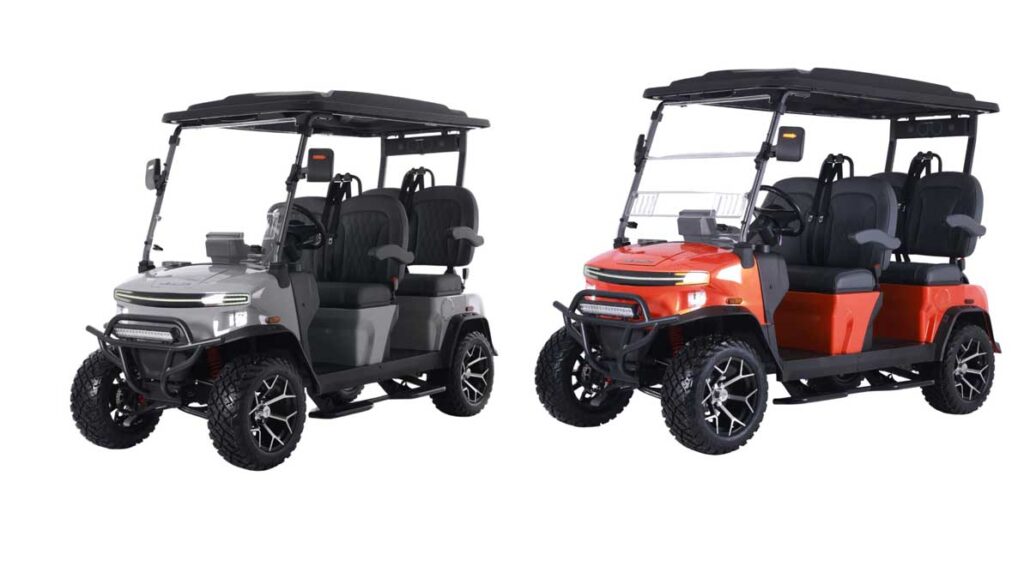
Denago is a brand specializing in electric utility and passenger vehicles, particularly golf carts, UTVs, and pathway vehicles. Founded in the 2010s, they’ve steadily earned attention for offering electric carts with good specs at competitive prices.
- The General Auto Insurance – Affordable Car Coverage
- What Are The Best Car Insurance Companies? Top Picks for 2024
- Coverage For Car Insurance – Protect Your Vehicle and Yourself
- Can You Get Car Insurance Without a License
- 5 Surprising Ways to Save on Car Insurance as a Young
Overview of Denago Golf Cart Models
Denago offers several models, but the three most talked‑about are:
Denago Nomad
It’s a compact, personal‑use electric cart. It as the entry‑model with enough comfort for casual rides around gated communities, lakeside properties, and golf courses that allow electric carts.
Denago Rover
A step up, the Rover seats four passengers. It’s ideal for small families or neighborhood cruising. It brings more comfort and space without being too wide or bulky.
Denago Rover XL
This is the largest of their golf‑style carts, seating six passengers. If you want a cart for larger groupssay friends, family, or small golf groups, it fits the bill.
The Nomad feel nimble and lightweight, great for weaving around tight passages. The Rover XL is more stable and roomy, though a bit slower to accelerate.
Key Features of Denago Golf Carts
Battery Type and Powertrain
All Denago golf carts are fully electric. They use sealed lead‑acid (SLA) batteries on lower models and upgrade to lithium‑ion options on higher trims. In my experience, if you opt for lithium batteries, you’ll see longer range and lighter weight, meaning the cart handles better.
The electric motor delivers smooth, nearly silent operation. When you step on the accelerator, there’s no roaring engine just a gentle pull forward
Speed and Performance
Performance varies by model. The Nomad tops out around 19 mph, while the Rover and Rover XL can reach 20–25 mph depending on terrain and battery configuration.
Acceleration is moderate, not race‑car fast, but enough for casual cruising. On mild slopes, the torque from the electric motor keeps you moving without major slowdowns.
Design and Comfort
Denago carts have a clean, sporty design. Your seating feels plush with padded benches. The Rover XL’s extra width translates to more legroom. The carts also have built‑in storage under the seats or in the rear, which I’ve used to stash coolers or golf bags.
Canopy tops, headlights, taillights, side mirrors, and cup holders come standard in most trims. For me, these features make Denago feel more sophisticated than some no‑frills brands.
Safety Features
Safety-wise, Denago includes seat belts, hydraulic brakes, and rear‑view mirrors as standard. Higher‑end trims add LED headlights and turn signals. Denago’s hydraulic disc braking system gives reliable stopping power even when loaded.
Denago Golf Cart Reviews – Performance-wise
Real-world Performance
In real use, Denago carts handle neighborhood roads, driveways, paved paths, and light terrain well.They’re not built for serious off‑roading, but they excel in suburban and golf‑course settings.
How Fast Will a Denago Golf Cart Go?
Depending on the model and battery, speeds range:
- Nomad: up to ~19 mph
- Rover: around 20–22 mph
- Rover XL (lithium): up to 25 mph on flat terrain
Reliability and Build Quality
Denago carts are generally sturdy. When asked about longevity, many said their carts ran reliably for several seasons with minimal issues. Battery life depends on usage and maintenance, but the lithium packs tend to retain health well. Some users reported minor electrical issues, but the customer support got them sorted fast.
Comparing Denago with Other Golf Cart Brands
Which Golf Cart is Better: Denago or Evolution?
“Which is better, Denago or Evolution?” Well, it depends on what you want out of a cart. If you’re someone who loves high-end interiors, digital displays, and a more luxurious finish, then Evolution might catch your eye. Evolution carts often come with more premium features like touchscreen dashboards and built-in Bluetooth speakers.
Denago focuses more on reliability, simplicity, and affordability. Their design is clean and efficient, and you don’t have to spend extra on bells and whistles unless you really want them. Based on experience, Denago has fewer frills but offers better customer service and easy maintenance, which is a big win if you’re planning long-term use.
Evolution might feel a bit more “luxury,” but Denago gives you honest value with quality components and fewer things that can go wrong.
What is the Most Reliable Golf Cart Brand?
Reliability is king when you’re investing in a golf cart. No one wants to be stuck halfway through a neighborhood cruise with a dead battery or glitchy electronics. While brands like Yamaha and Club Car are industry veterans and well-known for reliability, Denago is quickly building a solid reputation in this space.
No mechanical failures, no wiring issues, and only basic maintenance like tire pressure checks and battery water levels (on the SLA version). That level of low-hassle use has earned Denago a thumbs-up from me.
Is the Denago Nomad a Good Golf Cart?
The Denago Nomad might be small, but don’t underestimate it. It’s more than enough for everyday rides around your neighborhood, golf course, or even to the local store if it’s street legal in your area.
What I love about the Nomad is how compact and nimble it feels. It’s easy to park, turns effortlessly, and rides quietly thanks to its electric motor. For seniors, solo riders, or even couples who don’t need to haul a crowd, this cart makes a lot of sense.
Its top speed sits around 19 mph, which is comfortable and safe. The seats are well-cushioned, and despite being an entry-level model, it doesn’t feel cheap. You still get essentials like lights, turn signals, mirrors, and even a storage basket. If you’re on a budget but still want comfort and function, the Nomad is a solid pick.
How Does a Denago Golf Cart Work?
Denago golf carts work like most modern electric vehicles. When you turn the key (or press a button on newer models), the controller activates the electric motor. As you press the accelerator, the controller sends more current from the battery to the motor, which in turn drives the wheels.
Here’s a breakdown of the basic operation:
- Motor: Brushless DC motor that powers the cart silently and efficiently.
- Battery: Lead-acid or lithium-ion pack that stores energy.
- Controller: The “brain” that manages how much power the motor gets.
- Charger: External plug-in charger, usually 110V compatible.
When driving, the feel is smooth and responsive. There’s no gear-shifting, just press and go. The carts have a forward/reverse switch, and most models come with regenerative braking, which helps recharge the battery while slowing down.
There’s also a digital dashboard that shows battery level, speed, and trip stats. It’s simple, but it does the job. If you’re worried about complexity, don’t be. Denago carts are plug-and-play, no mechanical degree needed.
Are Denago Golf Carts Battery-Based?
Yes, absolutely, they’re fully battery-powered, which is why I like them so much. They’re quiet, eco-friendly, and cost very little to maintain. Depending on the model, Denago carts either use:
- Sealed Lead-Acid (SLA) batteries (more affordable)
- Lithium-Ion batteries (more expensive, longer-lasting)
If you’re planning to use your cart frequently or for longer distances, I highly recommend going for the lithium-ion option. The benefits? Faster charging, less weight, and longer lifespan. SLA batteries, on the other hand, usually give around 15–20 miles and take longer to recharge.
Battery maintenance is minimal, just make sure to keep terminals clean and, for SLA types, top off the water levels regularly. Denago includes an easy-to-read charging port and indicator so you always know when it’s time to juice up.
Do Denago Golf Carts Need Insurance?
Here’s a question “Do Denago golf carts need insurance?” Well, the answer depends on how and where you use your cart.
If you’re only driving your Denago golf cart on private property, like inside a golf course, resort, or gated community, then insurance usually isn’t legally required. That said, I still recommend checking with your homeowner’s insurance, some policies can cover damage or liability right from there.
Now, if you plan to take your Denago on public roads especially in states where low-speed vehicles (LSVs) are street legal, then yes, insurance is almost always required. Many states classify street-legal carts as motor vehicles, meaning you’ll need:
- Liability coverage
- Possible registration
- A valid driver’s license
Is the Denago Rover XL a Good Golf Cart?
Now let’s talk about the Denago Rover XL. It’s been one of the best investments. This cart is a six-seater, making it ideal if you’ve got kids, friends, or just want to haul gear.
Concerning handling a larger cart, Denago nailed the balance. The ride is super stable, even at full capacity. With lithium batteries, it still accelerates smoothly and climbs gentle hills without losing momentum.
Comfort is another strong suit. The seats are wide, cushioned, and have grab handles. There’s a fold-down rear seat that converts into a flatbed, great for groceries, coolers, or a couple of golf bags. It also comes with:
- LED lights
- Turn signals
- USB ports
- All-terrain tires
If you’re looking for a premium experience without spending $15K+, the Rover XL offers exceptional value. It’s spacious, quiet, and unlike some “budget” carts, it doesn’t feel cheap.
Customization and Accessories
One of the cool things about Denago carts? You can customize them to your heart’s content. Whether you want to upgrade your sound system, add a windshield, or swap tires, Denago carts are pretty mod-friendly.
Some popular accessories include:
- Lift kits for a higher ride
- Bluetooth soundbars
- Rear cargo boxes
- Weather enclosures for rain
- Solar roof panels
You don’t need a mechanic to do it either. Most accessories are plug-and-play or bolt-on.
Denago even has official accessory bundles if you buy directly through some dealers. So, if you’re the kind of person who likes making things your own, Denago has you covered.
Maintenance and Warranty Experience
No one likes surprises, especially when it comes to repairs. That’s why I appreciate Denago’s transparent approach to maintenance and warranty.
Maintenance
Here’s what to do:
- Checked tire pressure monthly
- Plugged in the charger every 3–4 days
- Cleaned battery terminals twice
- Washed the cart regularly
That’s it. No oil changes. No tune-ups. Electric carts are simple beasts, and Denago designs them with minimal maintenance in mind. The lithium battery makes it even easier, you just charge and go.
Warranty
Denago provides:
- 2 years bumper-to-bumper on most models
- 5 years on lithium batteries
- Limited lifetime support on frames
FAQs
Which golf cart is better, Denago or Evolution?
It depends. Evolution carts offer luxury features like digital displays and built-in audio, while Denago focuses on reliability, affordability, and solid build quality. If you want style and tech, go Evolution. If you want dependability and great customer service, Denago is a winner.
What is the most reliable golf cart brand?
Top brands for reliability include Yamaha, Club Car, and now Denago. Denago is quickly building a name for being low-maintenance and long-lasting, especially their lithium-powered models.
How fast will a Denago golf cart go?
Depending on the model and battery, Denago carts can reach speeds between 19 and 25 mph. The Rover XL with a lithium battery is one of the fastest in their lineup.
What is the difference between Denago and ICON golf carts?
ICON carts tend to lean more toward modern design and street-legal features, whereas Denago focuses more on simplicity, utility, and durability. ICON might be more feature-rich, but Denago generally offers a better value at a lower price.
Are Denago golf carts worth buying?
Yes, 100%. They’re reliable, electric, low-maintenance, and competitively priced. Most owners report excellent performance and great customer service.
Is the Denago Nomad a good golf cart?
Yes, especially for first-time buyers or casual use. It’s compact, nimble, and offers all the essential features without unnecessary frills.
How does a Denago golf cart work?
Denago carts use an electric motor powered by either SLA or lithium batteries. When you press the accelerator, power flows from the battery to the motor, driving the wheels silently and smoothly.
Are Denago golf carts battery based?
Yes, they are 100% electric and battery-operated. You can choose between traditional sealed lead-acid or newer, longer-lasting lithium-ion options.
Do Denago golf carts need insurance?
If you’re only using your cart on private property, insurance may not be necessary. But if it’s registered as a street-legal LSV and driven on public roads, insurance is typically required by law.
Is the Denago Rover XL a good golf cart?
Definitely. It’s spacious, comfortable, and great for families or group use. It offers powerful performance, excellent stability, and can even be customized for added style.
Conclusion
Denago golf carts are absolutely worth buying if you’re looking for a reliable, electric cart without the sky-high price tag.
What makes them stand out is that perfect balance of function, affordability, and style. They’re not trying to be flashy for no reason, they focus on what matters: smooth driving, simple tech, and dependable components. Whether you’re picking the compact Nomad for solo use or the spacious Rover XL for the whole family, you’re getting real value.
Sure, they might not have all the premium tech of an Evolution or the prestige of Club Car, but they make up for it with customer-focused service, easy ownership, and thoughtful design. And if you ask me, that’s more important than bragging rights.