

We live in a world where success is no longer just about what you know, but also about how you deal with people. The book How to Win Friends and Influence People is not just a catchy title; it’s a roadmap to better relationships, stronger influence, and personal growth. I can confidently say that many of the principles Dale Carnegie shared in this timeless classic have helped me in both friendships and professional life. And trust me, you don’t need to be a social butterfly to benefit from these lessons.
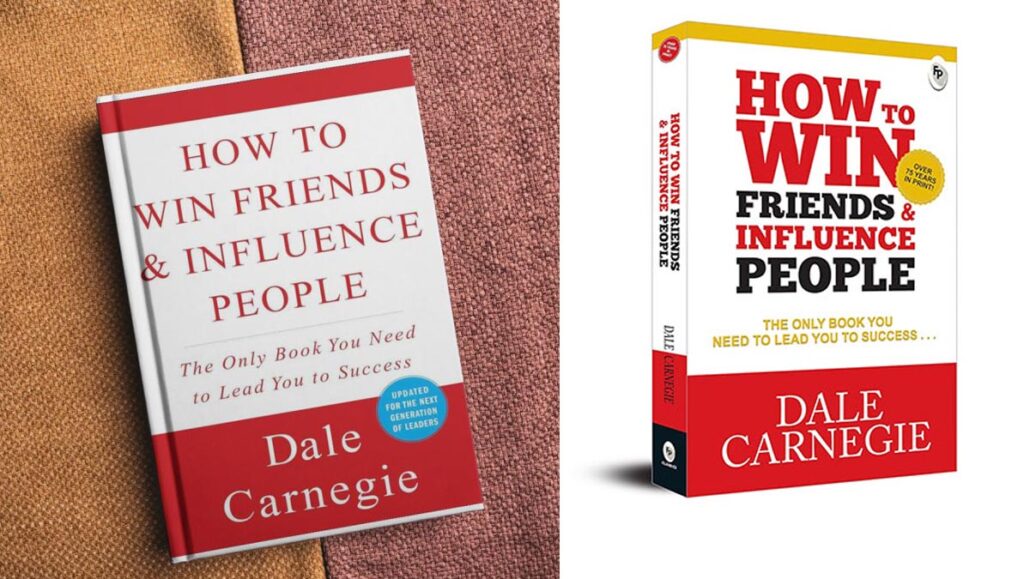
Have you ever felt like people don’t really listen to you, or maybe you’ve struggled to build lasting connections? If yes, then you’re not alone. Carnegie’s wisdom was created exactly for people like us, people who want to communicate better, gain respect, and form bonds that last. This guide breaks down those principles in a simple, relatable way so that you and I can actually put them into practice, not just admire them from afar.
- How to Apply for a Cash App Card
- How to Get Cash With a Credit Card
- Does Venmo Notify if You Look at Someone’s Profile
- How to Block Someone on Zelle
- www.parentpay.com Login – Access to Your ParentPay Account
- OneMain Financial Brightway Credit Card – Benefits, Features & Application
- What Credit Unions Use Zelle
- www.synchrony.com Login – Securely log in to your Synchrony Account
- Bank of America Checking Account – Open a Checking Account
- How to Check Zelle Transaction History on Chase Website
- What is Checking Account? A Simple Guide
- How to Transfer Money from Chime to Cash App
- Cash a Check Online Instantly Without Ingo
- How Does Zelle Make Money
- How to Get Free Money on Cash App
Understanding the Core Idea of the Book
The book How to Win Friends and Influence People is not about tricks or manipulation. Instead, it’s about understanding human nature. Dale Carnegie wrote it back in the 1930s, yet the lessons are still as fresh as today’s morning coffee. Why? Because people haven’t changed all that much. We all still crave appreciation, respect, and genuine connection.
At its core, the book teaches us that influence doesn’t come from dominating others, it comes from making others feel valued. When I first read the book, one of the biggest takeaways for me was how much impact a small act of kindness could have. Something as simple as remembering a person’s name or giving sincere praise can transform a relationship.
Think about it: haven’t you felt closer to someone who truly listened to you without interrupting? That’s exactly what Carnegie was trying to teach. His principles boil down to a simple but powerful truth, if you want others to care about what you say, first show them that you care about them.
The Man Behind the Wisdom – Dale Carnegie
To really appreciate How to Win Friends and Influence People, it helps to know the man who wrote it. Dale Carnegie wasn’t born into wealth or privilege. In fact, he grew up on a farm in Missouri and faced plenty of struggles in his early life. He wasn’t the best-looking guy in the room, nor the most charismatic at first. But what set him apart was his deep curiosity about people and his determination to improve.
Carnegie started his career teaching public speaking, and during these classes, he realized something fascinating, people weren’t just afraid of speaking; they were struggling to connect. They didn’t know how to engage an audience, win trust, or influence others without being pushy. That’s when Carnegie began studying the psychology of communication and relationships.
His findings turned into a system, a set of principles that anyone, no matter their background, could use to become better at dealing with people. What amazes me most about Carnegie is how practical he was. He didn’t just give theories; he gave real-world examples, stories, and methods that still resonate today. His influence is so strong that even modern motivational speakers and leadership coaches often trace their lessons back to Carnegie.
Why Carnegie Wrote “How to Win Friends and Influence People”
Now, here’s a question you might be wondering: why did Dale Carnegie write How to Win Friends and Influence People in the first place? Well, the answer takes us back to the 1930s, a time when the world was going through the Great Depression. People were struggling, not just financially but emotionally. Confidence was low, opportunities were scarce, and many felt lost.
Carnegie noticed that even in tough times, those who knew how to communicate well seemed to rise above the rest. They built relationships that opened doors. They inspired trust, and as a result, they created opportunities where others saw none. Carnegie wanted to share these insights with everyday people, eople like you and me who wanted more out of life but didn’t know how to get it.
He didn’t just write the book to make money. He wrote it to help people live fuller, happier lives. His idea was simple yet profound: by understanding how to deal with people, you can improve your career, your friendships, and even your family life. And that’s exactly why the book hit a nerve when it was published: it gave hope, practical advice, and tools people could use immediately.
Principles from “How to Win Friends and Influence People”
So, what exactly does the book teach? Carnegie boiled down his wisdom into practical principles that are easy to remember but powerful to apply. Some of the core lessons include:
- Don’t criticize, condemn, or complain. People naturally resist criticism. Instead of attacking, try understanding.
- Give honest and sincere appreciation. Everyone craves recognition. A kind word can go further than you think.
- Become genuinely interested in others. Ask questions, listen attentively, and show curiosity.
- Remember people’s names. A name is like music to a person’s ears, it makes them feel seen.
- Be a good listener. Encourage others to talk about themselves, and you’ll build trust instantly.
- Talk in terms of the other person’s interests. If you want influence, connect through what matters to them.
- Make the other person feel important, and do it sincerely. Not as flattery, but as genuine respect.
Mastering the Art of Making Friends
Making friends isn’t about having the funniest jokes, the most exciting stories, or being the loudest in the room. At its heart, friendship is built on trust, respect, and genuine interest. Carnegie made it clear in How to Win Friends and Influence People that one of the greatest ways to build lasting friendships is to focus on the other person rather than yourself. Sounds simple, right? Yet, so many of us forget this basic truth when we’re trying to connect with people.
Another important thing Carnegie taught is the power of small gestures. Smiling, for example, is like a universal welcome sign. I’ve seen how a simple smile can break down walls in situations where words don’t come easily. It’s almost magical. Similarly, using someone’s name in conversation makes it personal. Imagine you’re at a crowded event, and someone across the room calls out your name, it instantly grabs your attention and warms you up to that person. That’s the power of recognition.
Of course, making friends also requires patience. You can’t force it. People sense when you’re only being friendly because you want something from them. Genuine interest means you care about them without expecting anything in return. The funny thing is, the moment you stop trying too hard and simply show kindness, friendships often form naturally.
Carnegie’s approach to making friends is all about removing barriers. Instead of trying to impress people, focus on making them feel important. Think of it like gardening, you don’t force a flower to bloom; you nurture it with sunlight and water. In the same way, you nurture friendships with respect, appreciation, and sincerity.
Influence Without Manipulation
One of the most misunderstood ideas about Carnegie’s book is the concept of influence. Some people assume How to Win Friends and Influence People is about manipulation, tricking people into doing what you want. But if you really dig into the book, you’ll see that Carnegie’s version of influence is the opposite of manipulation. It’s about leading with honesty, empathy, and genuine care.
Here’s the truth: manipulation might give you quick results, but it won’t last. People eventually catch on when someone is being fake. Influence, on the other hand, comes from trust. When people trust you, they’ll follow your advice, respect your decisions, and even support your goals, because they believe in you, not because they’re being tricked.
Think about the leaders you admire most. Chances are, they didn’t bully or pressure people into following them. Instead, they inspired others. That’s what real influence looks like, it motivates, empowers, and creates a win-win situation. Carnegie reminded us that if you want people to like your ideas, don’t force them down their throats. Instead, show them how those ideas benefit them.
Communication Secrets Carnegie Emphasized
Carnegie believed in the power of a smile. It might sound small, but smiling sets the tone for any interaction. It says, “I’m happy to be here with you.” Pair that with remembering someone’s name, and you’ve already made the conversation warmer. Names, as Carnegie put it, are “the sweetest sound” to people. When I started making it a habit to use people’s names naturally in conversation, I saw an instant shift in how comfortable they felt with me.
He also suggested talking in terms of the other person’s interests. For example, if you know your friend is passionate about football, bring it up. If your coworker loves photography, ask them about their latest project. When you show genuine curiosity in their world, conversations become more engaging for both sides.
One of my favorite lessons is making people feel important, and doing it sincerely. It’s not about flattery, which can come off as fake. Instead, it’s about recognizing real qualities in others and expressing your appreciation. Imagine how you’d feel if someone said, “You always explain things in a way that makes them easy to understand. I really appreciate that about you.” Wouldn’t that make your day? That’s the kind of sincere acknowledgment Carnegie wanted us to practice.
In short, his communication secrets aren’t complicated, they’re just often overlooked. Smile, listen, use names, talk about their interests, and make them feel valued. When you put these into practice, you’ll notice people start gravitating toward you naturally.
Modern-Day Relevance of Carnegie’s Teachings
You might be thinking, “That’s great advice, but this book was written in the 1930s. Is it still relevant today?” And the answer is a big YES. In fact, I’d argue that How to Win Friends and Influence People is even more relevant in today’s world of social media, fast communication, and digital relationships.
Think about it, our attention spans are shorter than ever, and people are craving genuine human connection. A thoughtful conversation can stand out like gold in a world filled with shallow interactions. Carnegie’s principles, like listening and showing appreciation, are timeless because they tap into human nature, and human nature hasn’t changed.
In the workplace, these lessons are priceless. Employers don’t just look for skills, they look for people who can work well with others, lead with empathy, and build strong teams. When I applied Carnegie’s principles in my job, I noticed better collaboration and stronger relationships with colleagues. Instead of competing, we started cooperating.
Even in personal life, these teachings still shine. Whether it’s resolving conflicts in a family, deepening friendships, or navigating dating, Carnegie’s principles remind us to approach people with kindness and respect.
And let’s not forget about online communication. Social media often makes us focus on ourselves, our posts, our likes, our followers. But if you flip that and start engaging with others, commenting sincerely, showing support, and being genuinely interested, you’ll find yourself building stronger online communities.
So yes, while the world has changed, the need for respect, appreciation, and genuine connection hasn’t. Carnegie’s wisdom bridges the gap between then and now, proving that when it comes to human relationships, some things never go out of style.
Common Mistakes People Make in Relationships
Even with the wisdom from How to Win Friends and Influence People, many of us still stumble when it comes to relationships. And honestly, I’ve been guilty of several of these mistakes myself. One of the biggest errors is talking too much about ourselves. Think about it, how often do you catch yourself in a conversation where you’re more focused on what you’ll say next than on what the other person is saying? It’s natural, but it can make others feel invisible.
Carnegie emphasized that if you want people to like you, let them talk about themselves. Yet, many of us do the opposite. We dominate the conversation, give unsolicited advice, or rush to share our own experiences. It’s like attending a concert but bringing your own instrument to play over the music, it just doesn’t fit.
Another mistake people often make is failing to give genuine appreciation. We live in a world where criticism is easy and appreciation is rare. How many times do we point out what went wrong but forget to acknowledge what went right? Carnegie taught that a sincere “thank you” or recognition of someone’s effort can strengthen bonds far more than criticism ever will.
There’s also the issue of misunderstanding influence. Some people think they can push others into agreement, but force rarely works in relationships. I’ve seen situations where someone tried to “win” an argument only to lose the relationship in the process. That’s a classic mistake, valuing being right over being kind.
Lastly, many of us forget that relationships need effort. Just like a plant needs watering, friendships and partnerships need consistent care. Ignoring people until you need something from them is a surefire way to weaken the bond.
Avoiding these mistakes doesn’t mean being perfect, it means being mindful. By focusing on listening, appreciating, respecting, and nurturing, we can avoid the traps that damage connections.
How to Apply Carnegie’s Lessons in Business
One of the best parts of How to Win Friends and Influence People is how versatile it is. The lessons aren’t just for making friends, they’re incredibly powerful in the world of business. Whether you’re networking, managing a team, or dealing with customers, Carnegie’s teachings can give you an edge.
In business, trust is currency. Think about it: would you rather work with someone who constantly talks about themselves and criticizes others, or with someone who listens, values your opinion, and treats you with respect? The answer is obvious. That’s why Carnegie’s principles of appreciation and genuine interest are so vital in professional life.
For networking, the book is a goldmine. When you meet new people, don’t start with your sales pitch or resume. Instead, focus on them, ask questions, learn about their interests, and find common ground. People remember how you made them feel far more than what you said.
For leadership, Carnegie’s teachings are just as relevant. A boss who criticizes and micromanages creates resentment. But a leader who inspires, encourages, and gives credit where it’s due? That’s someone people want to follow. I’ve personally seen how a simple acknowledgment of a team member’s hard work can boost morale and productivity.
In sales and customer relations, the principles are invaluable. Customers don’t just want products—they want to feel understood and appreciated. By listening carefully, addressing their needs, and showing genuine care, you don’t just make a sale, you build loyalty.
To me, applying Carnegie’s lessons in business boils down to this: treat people like people, not transactions. If you put relationships before results, the results often come naturally.
How to Apply Carnegie’s Lessons in Personal Life
While the business world benefits from Carnegie’s wisdom, I think the personal side is where the real magic happens. Friendships, family ties, and even romantic relationships can be transformed by following his principles.
One of the most powerful lessons is learning to handle conflicts gracefully. Arguments are bound to happen, but how we deal with them makes all the difference. Instead of criticizing or blaming, Carnegie suggested trying to see things from the other person’s perspective. Imagine how different family arguments would be if both sides genuinely listened before responding.
In friendships, applying his teachings means being present. It’s easy to get caught up in our own lives and forget to check in with friends. But showing genuine interest, asking about their day, remembering little details they’ve shared, can deepen bonds in ways grand gestures never could.
Romantic relationships also benefit from Carnegie’s wisdom. Small acts of appreciation, sincere compliments, and active listening can strengthen the foundation of love. I’ve noticed that when I focus less on being right and more on understanding, my relationships grow stronger and arguments resolve faster.
Family life, too, is enriched by these principles. Whether it’s praising a child for their effort instead of criticizing their mistakes, or taking the time to thank a partner for something small, these little acts build trust and affection.
Carnegie’s lessons remind us that relationships are built in everyday moments, not just big occasions. A smile, a kind word, a listening ear, these are the tools that make personal life not just manageable but meaningful.
Criticism and Misunderstandings About the Book
Despite its massive popularity, How to Win Friends and Influence People has faced its share of criticism. Some argue that the book teaches manipulation, that it’s all about saying the “right” things to get what you want. But this is a misunderstanding.
Carnegie wasn’t telling people to fake kindness; he was urging us to practice genuine kindness. Yes, the principles can be misused if someone applies them without sincerity. But that’s true of almost any advice. It’s not the tools themselves that are manipulative, it’s how people choose to use them.
Another criticism is that the book is too “simple.” Some skeptics dismiss it as common sense dressed up in fancy words. But here’s the thing: common sense isn’t always common practice. We all know we should listen more, criticize less, and appreciate others, but how many of us actually do it consistently? That’s where Carnegie’s book becomes valuable: it reminds us to practice what we already know but often forget.
Some also believe the book is outdated because it was written in 1936. But as I mentioned earlier, human nature hasn’t changed. Our tools of communication may be different, but the way people respond to kindness, respect, and appreciation remains the same.
So, while criticisms exist, they often miss the point. The real power of Carnegie’s teachings lies not in theory but in application. When practiced with sincerity, his principles aren’t manipulative or simplistic, they’re transformative.
Why “How to Win Friends and Influence People” Is Still Popular
Here’s something remarkable: How to Win Friends and Influence People was published nearly 90 years ago, and yet it continues to sell millions of copies worldwide. Why is it still so popular when countless self-help books have come and gone?
The first reason is its timeless relevance. As we’ve discussed, human nature hasn’t changed. People still want to feel appreciated, respected, and understood. Carnegie tapped into a universal truth, and that truth doesn’t expire.
Second, the book is practical. It doesn’t overwhelm you with abstract theories, it gives you simple, actionable steps you can use the same day you read them. That’s why people keep recommending it generation after generation.
Another reason for its lasting popularity is word of mouth. Readers who applied the lessons saw real results, and they couldn’t help but share their experiences. Over time, the book became more than just a bestseller, it became a cultural phenomenon.
Finally, it’s the kind of book that grows with you. When I first read it, I applied the lessons to make friends. Later, I used them in business. And even today, I revisit it to strengthen personal relationships. Each time, I find something new because I’m at a different stage in life.
FAQs
Why did Carnegie write How to Win Friends and Influence People?
Carnegie wrote the book during the Great Depression to help people improve their communication, build confidence, and create opportunities through better relationships.
Why is How to Win Friends and Influence People so popular?
It’s popular because its lessons are timeless, practical, and effective. People across generations continue to find value in its teachings.
When was How to Win Friends and Influence People published?
The book was first published in 1936.
When did Dale Carnegie write How to Win Friends and Influence People?
Carnegie wrote it in the early 1930s, drawing on years of teaching public speaking and communication.
How do you influence someone?
You influence someone by listening to them, respecting their perspective, and showing how your ideas align with their interests. Influence is built on trust, not force.
How do you motivate others?
You motivate others by appreciating their efforts, showing confidence in them, and connecting their goals to something meaningful. Genuine encouragement goes further than criticism.
Conclusion
At the heart of How to Win Friends and Influence People lies a powerful truth: relationships are everything. Whether in business, personal life, or even casual encounters, how we treat others shapes the quality of our lives. Carnegie’s wisdom teaches us that success doesn’t come from overpowering others, it comes from making them feel valued, respected, and understood.
So, if you’ve ever wondered how to build deeper friendships, earn respect in your workplace, or simply become someone others enjoy being around, the answer lies in this timeless classic. How to Win Friends and Influence People isn’t just a book, it’s a way of living that can transform your relationships and, in turn, your life.