

Tag: business

  • Job You Can Get With a Psychology Degree

    Job You Can Get With a Psychology Degree

    Ever wondered what you can do with a psychology degree besides becoming a therapist? The truth is, a psychology degree opens doors to a surprisingly wide range of careers. From helping people in clinical settings to using your understanding of human behavior in the business world, there’s a path out there that aligns with your interests. Unsure what job you can get with a psychology degree? Explore a variety of career paths in healthcare, therapy, research, business, and more. Find your perfect fit!

    Job You Can Get With a Psychology Degree

    Whether you crave direct client interaction or prefer a research-oriented path, psychology offers a wealth of opportunities to utilize your skills and make a real impact.

    This comprehensive guide delves into the exciting world of psychology careers. We’ll explore a variety of specializations, the educational requirements for different job types, and the earning potential associated with each path.

    The Enticing World of Psychology Careers

    Psychology is a vast field encompassing various specializations, each with its unique set of applications in the real world. Here’s a glimpse into some of the most sought-after psychology careers:

    Clinical Psychology

    Clinical psychologists assess, diagnose, and treat mental, emotional, and behavioral disorders. They work in various settings, including hospitals, private practices, and community mental health centers. (Requires a doctoral degree and state licensure)

    Counseling Psychology

    Counseling psychologists focus on providing guidance and support to individuals facing personal, social, or emotional challenges. They work in schools, colleges, career centers, and private practices. (Requires a master’s degree and state licensure in some states)

    School Psychology

    School psychologists work in educational settings to assess students’ academic, social, and emotional needs. They develop interventions and collaborate with teachers, parents, and administrators to support student success. (Requires a master’s degree and state licensure)

    Industrial-Organizational Psychology (I-O Psychology)

    I-O psychologists apply psychological principles to the workplace. They consult with businesses on employee selection, training, motivation, and leadership development.

    Forensic Psychology

    Forensic psychologists work within the legal system, assisting law enforcement, attorneys, and courts by evaluating witness credibility, assessing criminal behavior, and providing expert testimony. (May require additional training or specialization)

    Sports Psychology

    Sports psychologists work with athletes and teams to enhance performance, mental toughness, and overall well-being.

    Social Psychology

    Social psychologists study how individuals think, feel, and behave within social groups. Their research has applications in areas like marketing, education, and social policy. (Often requires a Ph.D. for research positions).

    Diverse Career Options

    While specializations offer a focused career path, a psychology degree opens doors to various other fields. Here are some examples:

    • Human Resources: Your understanding of human behavior and communication skills can be valuable in recruiting, training, and managing employees.
    • Research: Psychology graduates can contribute to research teams in universities, private companies, or government agencies, exploring various aspects of human behavior.
    • Marketing and Advertising: Understanding consumer behavior and motivations can be a valuable asset in marketing and advertising campaigns.
    • Non-Profit Organizations: Psychology graduates can leverage their skills in non-profit organizations working with at-risk populations or promoting mental health awareness.
    • Law: A psychology degree can provide a strong foundation for pursuing law school and specializing in areas like family law or criminal justice.

    Educational Pathways in Psychology

    The level of education required for a psychology career depends on the specific field and desired job function. Here’s a breakdown of the most common paths:

    Bachelor’s Degree

    A Bachelor of Arts (BA) or Bachelor of Science (BS) in psychology provides a strong foundation in psychological theory, research methods, and human behavior. Graduates can find entry-level positions in research, human services, or mental health support roles.

    Master’s Degree

    Many psychology careers, particularly those involving direct client contact like therapy or counseling, require a Master’s degree. Master’s programs typically specialize in a specific area like clinical psychology, school psychology, or industrial-organizational psychology.

    Doctoral Degree

    A Doctor of Philosophy (Ph.D.) in psychology qualifies you for research positions, university teaching, and independent practice in clinical psychology. Earning a Ph.D. involves extensive research, dissertation writing, and supervised clinical experience.

    Salary Ranges and Job Outlook

    Salaries for psychology careers vary depending on specialization, experience, location, and work setting. According to the Bureau of Labor Statistics (BLS), the median annual wage for psychologists in the U.S. was $81,040 in May 2022 [BLS Source]. The BLS also projects a 13% growth in psychology jobs from 2022 to 2032, much faster than the average for all occupations [BLS Source].

    Essential Skills for a Rewarding Psychology Career

    While a psychology degree equips you with a strong knowledge base, success in this field relies heavily on a combination of hard and soft skills. Here are some key qualities employers seek:

    • Strong Communication: The ability to actively listen, communicate effectively with diverse populations, and articulate complex concepts in a clear and concise manner.
    • Empathy and Compassion: A genuine understanding of human emotions and the capacity to connect with clients on a personal level.
    • Critical Thinking and Problem-Solving: The ability to analyze information, identify challenges, and develop effective solutions.
    • Cultural Competency: Understanding and appreciating diverse backgrounds and fostering culturally sensitive interactions.
    • Organizational Skills and Time Management: The ability to prioritize tasks, manage caseloads effectively, and meet deadlines.

    Frequently Asked Questions (FAQs)

    What jobs can you get with a psychology degree and no experience?

    Entry-level jobs in human services, research assistant roles, and HR support positions are great starting points to gain experience.

    Is a psychology degree worth it?

    Psychology is a growing field with a projected job outlook of 14% growth by 2026 [Bureau of Labor Statistics]. It equips you with valuable transferable skills like communication, critical thinking, and problem-solving, making it a worthwhile investment.

    What can I do with a psychology degree if I don’t want to be a therapist?

    The options are vast! As explored above, psychology can pave the way for careers in research, business, law, and even sports.

    What jobs can I get with a bachelor’s degree in psychology?

    A bachelor’s degree opens doors to entry-level positions in human resources, social services, and research.

    Do I need a master’s degree to become a psychologist?

    Yes, to become a licensed psychologist, you’ll typically need a master’s degree and supervised clinical experience, followed by state licensure.

    Conclusion

    A psychology degree is your gateway to a diverse and fulfilling career path. By exploring your interests and aligning them with your skillset, you can unlock a world of possibilities where you can make a real difference. Remember, this is just the beginning of your exciting journey in the world of psychology!

    Check Out

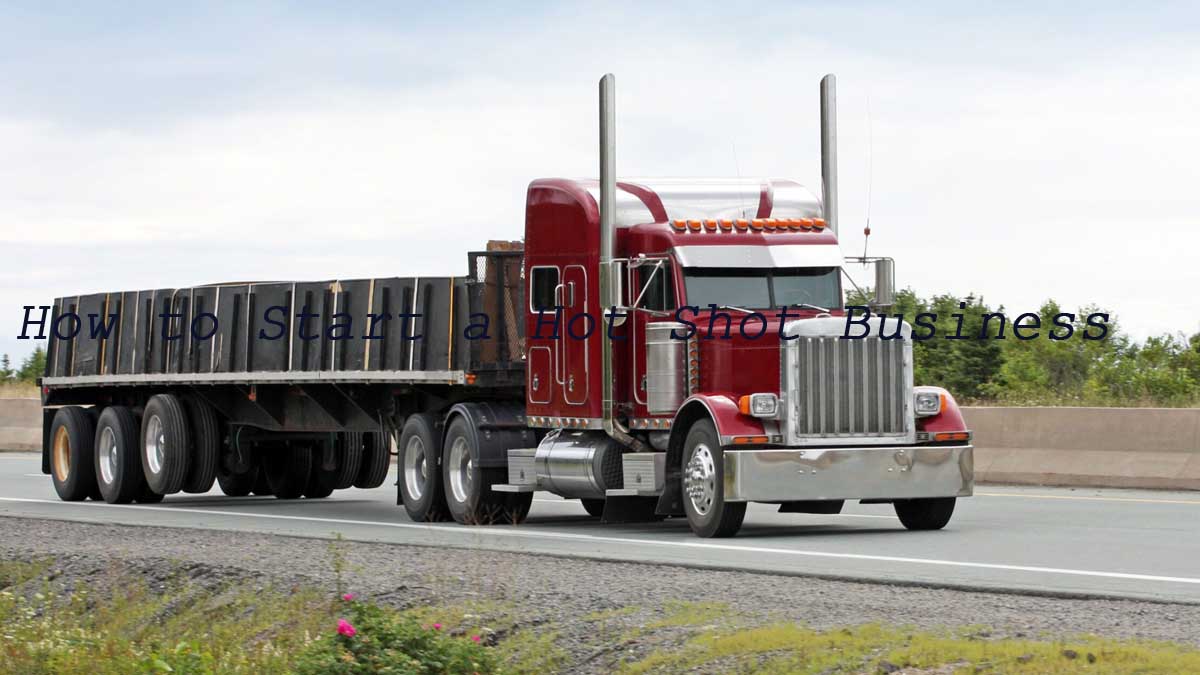
  • How to Start a Hot Shot Business

    How to Start a Hot Shot Business

    Hot shot trucking is a niche industry that involves hauling small to medium-sized loads using pickup trucks and trailers. Hot shot truckers are often called upon to transport urgent or specialized cargo, such as construction equipment, furniture, and vehicles. Learn how to start a hot shot business

    How to Start a Hot Shot Business

    Starting a hot shot business can be a rewarding experience, but it’s important to do your research and plan carefully. In this guide, we’ll walk you through the steps involved in starting a successful hot shot business, from choosing the right equipment to marketing your services.

    We’ll cover everything from the legal requirements to the financial aspects of running a hot shot business. We’ll also provide tips on how to find and secure loads, and how to build a strong reputation in the industry.

    If you’re interested in starting a hot shot business, this guide is for you. We’ll help you get started on the right foot and give you the tools you need to succeed.

    What is a Hot Shot Business?

    A hot shot business is a trucking business that specializes in hauling small to medium-sized loads using pickup trucks and trailers. Hot shot truckers are often called upon to transport urgent or specialized cargo, such as construction equipment, furniture, and vehicles.

    Hot shot businesses can be operated as either owner-operator businesses or as fleet businesses. Owner-operators own and operate their own trucks and trailers, while fleet businesses own a fleet of trucks and trailers and hire drivers to operate them.

    Hot shot businesses are typically more flexible than traditional trucking businesses. Hot shot truckers can often choose their own loads and set their own hours. This flexibility can be appealing to drivers who want to have more control over their work life.

    Hot shot businesses can also be more profitable than traditional trucking businesses. This is because hot shot truckers can often charge higher rates for their services, especially for urgent or specialized cargo.

    Why is hot shot trucking a good business opportunity?

    Hot shot trucking is a good business opportunity for a number of reasons, including:

    • Flexibility: Hot shot truckers have the flexibility to set their own hours and choose their own loads. This can be a great option for people who want to be their own boss and have more control over their work life.
    • Good earning potential: Hot shot truckers can earn a good living, especially if they specialize in hauling high-value or urgent cargo.
    • Low startup costs: Hot shot trucking businesses can be started with relatively low startup costs, compared to other types of trucking businesses.
    • Growing demand: The demand for hot shot trucking services is growing, as businesses and consumers need to move smaller loads quickly and efficiently.

    Benefits of starting a hot shot business

    There are many benefits to starting a hot shot business. Here are a few of the most notable:

    Flexibility

    Hot shot truckers have the flexibility to set their own hours and choose their own loads. This can be a great option for people who want to be their own boss and have more control over their work life.

    Good earning potential

    Hot shot truckers can earn a good living, especially if they specialize in hauling high-value or urgent cargo. Rates for hot shot trucking can range from $1 to $2 per mile, and some hot shot truckers can earn upwards of $100,000 per year.

    Lower startup costs

    Hot shot trucking businesses can be started with relatively low startup costs, compared to other types of trucking businesses. This is because hot shot truckers typically use pickup trucks and trailers, which are less expensive to purchase and maintain than traditional semi-trucks.

    Growing demand

    The demand for hot shot trucking services is growing, as businesses and consumers need to move smaller loads quickly and efficiently. This is due to the rise of e-commerce and the increasing need for same-day delivery.

    Requirement on how to start a hot shot business

    Legal requirements for a hot shot business:

    • Business structure: You will need to choose a business structure, such as a sole proprietorship, LLC, or corporation.
    • DOT number: You will need to obtain a Department of Transportation (DOT) number. This number is required for all commercial motor carriers, including hot shot businesses.
    • MC number: If you plan to haul freight interstate, you will need to obtain a motor carrier (MC) number from the Federal Motor Carrier Safety Administration (FMCSA).
    • Commercial driver’s license (CDL): If you will be driving the truck yourself, you will need to have a CDL.
    • Medical card: You will also need to have a medical card that is valid for commercial driving.
    • Commercial insurance: You will need to have commercial insurance for your truck and trailer.

    Financial requirements

    • Startup costs: The startup costs for a hot shot business can vary depending on the size and type of equipment you need. However, you should budget for at least $50,000 to $100,000.
    • Operating expenses: Your operating expenses will include fuel, maintenance, insurance, and other costs associated with running your business.
    • Working capital: You will need to have enough working capital to cover your startup costs and operating expenses until you start generating revenue.

    Equipment requirements on how to start a hot shot business

    • Truck: You will need a pickup truck with a flatbed trailer.
    • Cargo straps and chains: You will need cargo straps and chains to secure your loads.
    • Tarps: You may need tarps to cover your loads if they are not weatherproof.
    • Other equipment: You may also need other equipment, such as a loading ramp or a cargo tracking system.

    Different Types of Hot Shot Businesses

    General hot shot

    This is the most common type of hot shot business. General hot shot truckers haul a variety of loads, including machinery, equipment, and construction materials. They typically use pickup trucks with gooseneck trailers, which are more versatile than bumper pull trailers.

    Heavy haul hot shot

    Heavy haul hot shot truckers specialize in hauling large and heavy loads, such as construction equipment, commercial vehicles, and industrial machinery. They typically use specialized equipment, such as lowboy trailers and heavy-duty trucks.

    Expedited hot shot

    Expedited hot shot truckers deliver loads quickly and efficiently. They typically use high-performance pickup trucks and trailers, and they are often willing to work long hours and travel long distances.

    Local hot shot

    Local hot shot truckers deliver loads within a limited geographic area. They typically have a good understanding of the local roads and traffic conditions, which allows them to deliver loads more efficiently.

    Contract hot shot

    Contract hot shot truckers work under contract with a specific company or organization. They typically haul specific types of loads or work on specific routes.

    Owner-operator hot shot

    Owner-operator hot shot truckers own their own trucks and trailers. They are responsible for all aspects of their business, including finding customers, managing their finances, and maintaining their equipment.

    Leased operator hot shot

    Leased operator hot shot truckers lease their trucks and trailers from a trucking company. They are typically paid by the mile or by the load.

    Brokered hot shot

    Brokered hot shot truckers find loads through brokers. Brokers act as intermediaries between shippers and truckers, and they match truckers with loads that meet their needs.

    Independent hot shot

    Independent hot shot truckers find loads and manage their own business without the help of a broker.

    Team hot shot

    Team hot shot truckers work together to drive a truck and trailer. This allows them to cover more miles and deliver loads more quickly.

    App-based hot shot

    App-based hot shot businesses allow truckers to find loads through a mobile app. This is a relatively new type of hot shot business, but it is growing in popularity.

    Franchise hot shot

    Franchise hot shot businesses allow truckers to start their own hot shot business using a proven business model. This can be a good option for truckers who want to start their own business but don’t have the experience or resources to do it on their own.

    Steps of how to start a hot shot business

    Steps on how to start a hot shot business:

    1. Get the necessary licenses and permits. This includes a commercial driver’s license (CDL), a USDOT number, and a medical card. You may also need additional permits depending on the state(s) where you plan to operate.
    2. Register your business with the state. This will give you a legal entity for your business and allow you to collect sales tax.
    3. Purchase equipment. This includes a truck, trailer, and any other necessary gear. You may also want to consider investing in a GPS tracking system and a load board subscription.
    4. Get commercial insurance. This is essential to protect yourself and your business in case of an accident.
    5. Find loads. There are a number of ways to do this, including using load boards, contacting brokers directly, and networking with other hotshot drivers.
    6. Market your business. Let potential customers know that you are available to haul their loads. You can do this through online and offline marketing channels.
    7. Provide excellent customer service. This is essential for building a successful hot shot business. Make sure to communicate effectively with your customers and meet their needs.

    Tip success

    Here are some tips to success on a hot shot business:

    • Have a solid business plan. This will help you define your goals, strategies, and target market. It will also help you track your progress and make necessary adjustments along the way.
    • Purchase reliable equipment. Your truck and trailer are your livelihood, so it’s important to invest in quality equipment that will keep you on the road and profitable.
    • Network with other hot shot drivers and shippers. This is a great way to find loads, get referrals, and learn from others in the industry.
    • Be proactive in marketing your business. Let potential customers know that you’re available and willing to haul their loads. You can do this through online advertising, networking, and word-of-mouth.
    • Be reliable and professional. Show up on time, meet your commitments, and provide excellent customer service. This will help you build a strong reputation and attract repeat business.