

Tag: claim process

  • Filing a Travel Insurance Claim After a Trip Delay – What You Need to Know

    Filing a Travel Insurance Claim After a Trip Delay – What You Need to Know

    Travel delays can throw a wrench in even the most meticulously planned trips, leading to unexpected expenses and frustrating setbacks. Fortunately, travel insurance can offer a financial safety net, helping to reimburse you for the costs incurred due to unforeseen delays. However, filing a travel insurance claim after a trip delay can be daunting. Understanding the requirements, gathering necessary documentation, and presenting a compelling case are all crucial steps in securing a successful claim.  

    Filing a Travel Insurance Claim After a Trip Delay

    This guide aims to demystify the process of filing a travel insurance claim after a trip delay. We will outline the essential steps involved, provide tips for maximizing your chances of reimbursement, and address common pitfalls to avoid. Whether your flight was canceled, your luggage was lost, or unforeseen circumstances caused a significant delay, this guide will equip you with the knowledge you need to pursue your travel insurance claim with confidence.

    Understanding Trip Delay Coverage

    Before diving into the claims process, it’s crucial to understand your travel insurance policy’s trip delay coverage. Trip delay coverage typically reimburses you for reasonable and necessary expenses incurred due to a covered trip delay, such as:

    • Accommodation: Costs for additional hotel stays, if your trip is delayed beyond a specified duration (usually 6-12 hours).
    • Meals: Expenses for meals during the delay.
    • Transportation: Costs for alternative transportation if your original transport is delayed or canceled.
    • Other Expenses: Some policies may cover other expenses, like communication costs or essential toiletries.

    Steps to File a Travel Insurance Claim After a Trip Delay

    1. Gather Documentation

    The key to a successful travel insurance claim is thorough documentation. Ensure you have the following:

    • Travel Insurance Policy: A copy of your travel insurance policy, highlighting the trip delay coverage details.
    • Proof of Trip Delay: Documentation from your airline or travel provider confirming the delay, its duration, and the reason for the delay.
    • Expense Receipts: Itemized receipts for all expenses incurred due to the delay (accommodation, meals, transportation, etc.).
    • Itinerary and Travel Documents: Copies of your original itinerary, flight tickets, and other travel documents.

    2. Contact Your Travel Insurance Provider

    Reach out to your travel insurance provider as soon as possible after the delay occurs. They will guide you through the claims process, provide the necessary claim forms, and answer any questions you may have.

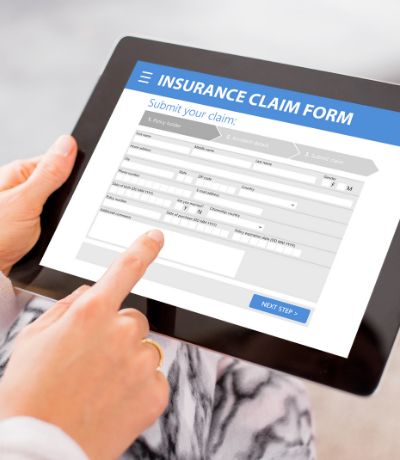
    3. Complete the Claim Form

    Fill out the claim form accurately and completely. Provide all the required information, attach the supporting documentation, and ensure you sign and date the form.

    4. Submit Your Claim

    Submit your completed claim form and supporting documents to your travel insurance provider. Follow their instructions for submission, which may be online, via mail, or both.

    5. Await the Decision

    Once your claim is submitted, the insurance company will review it. The processing time can vary, so be patient. If additional information is required, they will contact you.

    6. Receive Your Reimbursement

    If your claim is approved, you will receive reimbursement for your covered expenses. The payment method may vary depending on your insurer and your preferences.

    Tips for a Smooth Claims Process

    • Document Everything: Keep all receipts, confirmations, and communications related to the trip delay.
    • Contact Your Insurer Promptly: Don’t delay in notifying your insurance provider about the trip delay.
    • Be Honest and Accurate: Provide truthful and accurate information on your claim form.
    • Keep Copies of Everything: Make copies of all documents you submit for your records.
    • Follow Up: If you haven’t heard back within a reasonable time, follow up with your insurer.

    Common Reasons for Trip Delay Claims

    • Weather-Related Delays: Flight cancellations or delays due to severe weather conditions like storms, hurricanes, or blizzards.
    • Mechanical Issues: Technical problems with the aircraft or transportation causing delays or cancellations.
    • Air Traffic Congestion: Delays due to overcrowded airspace or airport congestion.
    • Natural Disasters: Unexpected events like earthquakes, volcanic eruptions, or tsunamis disrupting travel plans.
    • Labor Strikes: Strikes by airline or airport staff leading to flight disruptions.

    Frequently Asked Questions

    What qualifies as a trip delay?

    A trip delay typically refers to a significant delay in your travel plans due to unforeseen circumstances, such as:

    • Severe weather
    • Mechanical issues with the aircraft or transportation
    • Natural disasters
    • Strikes or labor disputes
    • Airline overbooking

    The specific definition of a trip delay and the minimum delay duration required for coverage will be outlined in your policy.

    What expenses are covered under trip delay coverage?

    Trip delay coverage typically reimburses you for reasonable and necessary additional expenses incurred due to a covered delay, such as:

    • Accommodation expenses for overnight stays
    • Meals
    • Transportation costs to and from the airport or alternative accommodations

    How long does it take to process a trip delay claim?

    The claim processing time can vary depending on the complexity of your claim and the workload of your insurance provider. However, most claims are processed within a few weeks.

    What if my claim is denied?

    If your claim is denied, you’ll receive a written explanation from your insurance provider outlining the reasons for the denial. You may have the option to appeal the decision if you believe it was made in error.

    Can I file a trip delay claim if I have other travel insurance coverage?

    Yes, you can usually file a trip delay claim even if you have other travel insurance coverage, such as trip cancellation or baggage delay coverage. However, it’s important to understand how the different coverages interact and avoid claiming the same expenses under multiple coverages.

    Conclusion

    Trip delays can be frustrating, but travel insurance can alleviate some of the financial burdens. Understanding your coverage and following the claims process diligently can help you receive the reimbursement you’re entitled to. Remember, thorough documentation and prompt communication with your insurance provider are crucial for a smooth and successful claim experience.

  • Essential Documents for a Travel Insurance Claim – A Checklist

    Essential Documents for a Travel Insurance Claim – A Checklist

    What are the essential documents for a travel insurance claim? When unexpected events disrupt your travel plans, having travel insurance can offer a financial safety net. But to successfully navigate the claims process, it’s crucial to gather and submit the correct documentation. Without the essential documents, your claim could be delayed or even denied, leaving you to bear the full brunt of the financial loss.  

    Essential Documents for a Travel Insurance Claim

    Understanding which documents are essential for your specific claim is key. This can vary depending on the nature of your claim – whether it’s for a trip cancellation, lost luggage, medical emergency, or other covered event.  Let’s explore the typical documents required, and how they help validate your claim and expedite the reimbursement process.

    Importance of Documentation

    Travel insurance claims hinge on providing evidence of the covered event, the associated expenses, and your adherence to policy terms. The required documents vary depending on the nature of your claim, but some essentials apply across the board.

    Essential Documents for a Travel Insurance Claim

    1. The Travel Insurance Policy

    The cornerstone of any travel insurance claim is the policy itself. It outlines the terms and conditions of your coverage, including the types of events covered, the claim procedures, and any exclusions or limitations. Having a copy of your policy readily available is crucial for understanding your rights and responsibilities as a policyholder.

    2. Proof of Purchase

    You’ll need to demonstrate that you purchased the travel insurance policy and that it was in effect during your trip. This is typically accomplished by providing a receipt or confirmation email for your policy purchase.

    3. Trip Itinerary

    A detailed trip itinerary, including flight confirmations, hotel reservations, and any other pre-booked travel arrangements, can help establish the dates and locations of your trip. This information is often required to verify that your claim falls within the covered travel period.

    4. Proof of Loss

    Depending on the nature of your claim, you’ll need to provide evidence of the loss or expense incurred. This could include:

    • Medical Expenses: Original medical bills, receipts, and medical reports from healthcare providers detailing the diagnosis, treatment received, and associated costs.
    • Trip Cancellation or Interruption: Documentation supporting the reason for cancellation or interruption, such as a doctor’s note for medical reasons or official notices for events like natural disasters or airline strikes.
    • Baggage Loss or Delay: Property irregularity reports filed with the airline or other transportation provider, receipts or proof of purchase for lost or damaged items, and any repair estimates or replacement costs.
    • Travel Delay: Receipts for additional expenses incurred due to a covered travel delay, such as meals, accommodation, or transportation costs.

    5. Police Reports

    If your claim involves theft, loss, or damage to property, a police report filed at the location of the incident can serve as valuable evidence. Be sure to obtain a copy of the report for your records.

    6. Other Supporting Documentation

    Depending on the specifics of your claim, additional documentation may be required. This could include:

    • Death Certificate: In the unfortunate event of a death claim.
    • Proof of Relationship: If claiming benefits for a family member or traveling companion.
    • Correspondence: Any relevant communication with airlines, hotels, tour operators, or other travel providers.

    How to Gather and Submit Documents – Step-by-Step

    1. Contact Your Insurance Company Immediately: The moment you experience a covered event, reach out to your travel insurance provider. They can give you specific instructions and the correct claim forms.
    2. Review Your Policy: Dust off that travel insurance policy and read through it carefully. Take note of any specific documentation requirements for your type of claim.
    3. Organize Your Documents: Create a dedicated folder or digital space to store all your claim-related documents. It’ll keep things organized and make the submission process a breeze.
    4. Gather Original Documents: Whenever possible, collect original documents like receipts, medical bills, and official letters. If originals aren’t available, make clear copies.
    5. Fill Out Claim Forms Accurately: Take your time filling out the claim forms. Double-check for any errors or missing information.
    6. Submit Your Claim: Follow your insurance provider’s instructions for submission. This could be online, through mail, or via email.
    7. Track Your Claim: Keep a record of your claim number and any communication with your insurance company. You can also check the status of your claim online or by calling your provider.

    Tips for a Smooth Claims Process

    • Report the Incident Promptly: Notify your travel insurance provider as soon as possible after the covered event occurs. Many policies have time limits for reporting claims.
    • Keep Copies of All Documents: Make copies of all the documents you submit with your claim. This ensures you have a backup in case any originals are lost or misplaced.
    • Be Organized: Keep all your documents organized and easily accessible. This will make it easier to gather the necessary information when filing your claim.
    • Communicate Clearly: Maintain open communication with your travel insurance provider. Respond promptly to any requests for additional information or documentation.
    • Be Patient: The claims process can take time. Be patient and allow your provider sufficient time to review your claim and make a decision.

    Frequently Asked Questions (FAQs)

    What if I don’t have all the required documents?

    Contact your insurance company immediately. They may be able to assist you in obtaining missing documents or offer alternative solutions.

    How long does it take to process a travel insurance claim?

    The processing time varies depending on the complexity of the claim and the insurance company. It can range from a few weeks to several months.

    Can I submit my claim online?

    Many insurance companies now offer online claim submission. Check with your insurer for their specific process.

    What if my claim is denied?

    If your claim is denied, you have the right to appeal the decision. Contact your insurance company for their appeal process.

    How can I ensure a smooth travel insurance claim process?

    Read your policy carefully, understand the coverage and exclusions, and keep all relevant documents organized and readily available.

    Remember, travel insurance is there to protect you from financial losses during your trip. By understanding the essential documents required and following the tips provided, you can increase your chances of a successful claim and enjoy a worry-free travel experience.

  • How to File a Travel Insurance Claim – A Step-by-Step Guide

    How to File a Travel Insurance Claim – A Step-by-Step Guide

    Navigating the world of travel insurance claims can feel like deciphering a complex map, particularly when you’re dealing with the stress of a disrupted trip. Whether your flight was canceled, your luggage went missing, or you faced an unexpected medical emergency, understanding the process of filing a claim is crucial to getting the reimbursement you deserve. Learn the essential steps on how to file a travel insurance claim. Our guide provides clear instructions and helpful tips to navigate the process smoothly.

    How to File a Travel Insurance Claim

    This guide will walk you through the necessary steps to successfully navigate a travel insurance claim, from understanding your policy coverage to gathering the required documentation and submitting your claim. We’ll also provide tips on maximizing your chances of approval, so you can focus on recovering from your travel mishap and getting back to enjoying your journey.

    Understanding Your Travel Insurance Policy

    Before filing a claim, it’s crucial to familiarize yourself with your travel insurance policy. Read through the terms and conditions carefully, paying attention to:

    • Covered reasons: Understand what situations are covered under your policy, such as trip cancellation, trip interruption, medical emergencies, baggage loss, and more.
    • Exclusions: Be aware of what your policy doesn’t cover, such as pre-existing medical conditions, certain high-risk activities, or intentional acts.
    • Claim filing deadline: Note the deadline for filing your claim, as it varies among providers.

    Documents Needed for a Travel Insurance Claim

    Here are some of the common documents you might need:

    • Claim Form: This is the official document you’ll need to fill out and submit to your insurance provider. It typically includes your personal information, details about the incident, and the type of coverage you’re claiming.
    • Proof of Insurance: This could be your insurance policy documents or a confirmation email. It proves that you have valid travel insurance coverage for the dates of your trip.
    • Proof of Loss: This varies depending on your claim type. It could be:
    • Trip Cancellation: Documentation supporting the reason for cancellation, such as a doctor’s note, death certificate, or proof of job termination.
    • Trip Interruption: Proof of the reason for interruption, such as medical records, police reports, or airline cancellation notices.
    • Medical Expenses: Medical bills, receipts for medications, and doctor’s reports.
    • Lost or Delayed Baggage: Airline baggage claim receipts, an itemized list of lost items with their estimated values, and receipts for essential purchases made due to the delay.
    • Travel Documents: These may include your flight tickets, hotel confirmations, and any other relevant travel documents.
    • Proof of Payment: This includes receipts for any expenses you’re claiming, such as medical bills, replacement luggage costs, or additional accommodation expenses.

    Remember: The specific documents required may vary depending on your insurance provider and the type of claim you’re filing. Always review your policy documents or contact your insurance provider directly to confirm the exact requirements.

    Filing a Travel Insurance Claim Step-by-Step

    1. Contact Your Insurance Provider ASAP: As soon as the incident occurs, reach out to your insurance provider. They’ll guide you through the specific process and provide you with the necessary claim forms. Many insurers have 24/7 helplines for emergencies.
    2. Gather Your Documentation: Start collecting all the relevant documents. This includes your insurance policy, proof of loss (e.g., medical bills, police reports, etc.), and any other supporting documents as listed previously.
    3. Fill Out the Claim Form: Complete the claim form accurately and thoroughly. Provide all requested information and attach all supporting documents. Double-check for any errors before submitting.
    4. Submit Your Claim: Send the completed claim form and supporting documents to your insurance provider. Follow their specific instructions for submission, whether it’s online, by mail, or through an app.
    5. Follow Up: Once your claim is submitted, keep track of its progress. Don’t hesitate to contact your insurance provider if you have any questions or need updates.

    What to Do When Filing a Travel Insurance Claim

    To make sure your claim is handled smoothly, here are some extra tips to keep in mind:

    • Honesty is the Best Policy: Be truthful and accurate in all your statements and documentation. Any discrepancies can delay or even invalidate your claim.  
    • Details Matter: Provide as much detail as possible about the incident, including dates, times, locations, and any witnesses. The more information you provide, the easier it will be for your insurer to assess your claim.
    • Keep Track of Everything: Maintain a detailed record of all your expenses, including medical bills, receipts for lost or damaged items, and any additional travel costs incurred due to the incident.  
    • Be Patient: The claims process can take time. Remain patient and cooperative with your insurer throughout the process.
    • Know Your Rights: If your claim is denied, you have the right to appeal the decision. Review your policy carefully and consider seeking professional advice if necessary.  

    Remember, each claim is unique, and the specific requirements may vary. Always refer to your policy documents and communicate with your insurer for guidance.

    Frequently Asked Questions (FAQs)

    How long does it take to process a travel insurance claim?

    The processing time varies depending on the complexity of the claim and the insurance provider. It can take anywhere from a few weeks to several months.

    Can I file a claim after my trip is over?

    Generally, you must file a claim within a specific timeframe after the incident occurred. Check your policy for details.

    What if my claim is denied?

    If your claim is denied, you can usually appeal the decision. Review the denial letter carefully and provide additional documentation or information to support your appeal.

    Should I contact my insurance provider before seeking medical treatment?

    In case of a medical emergency, seek immediate treatment. However, it’s always a good idea to contact your insurance provider as soon as possible to confirm coverage and understand any required procedures.

    Can I file a claim for pre-existing medical conditions?

    It depends on your policy. Some policies offer coverage for pre-existing conditions under certain circumstances, while others exclude them entirely.

    Conclusion

    Filing a travel insurance claim can be a straightforward process if you are prepared and understand the requirements. By following the steps outlined in this guide and being organized, you can increase your chances of a successful claim and receive the compensation you deserve. Remember, travel insurance is there to protect you, so don’t hesitate to use it when needed.

  • USAA Auto Insurance – Trusted Protection for Your Vehicle

    USAA Auto Insurance – Trusted Protection for Your Vehicle

    USAA, a financial services company dedicated to serving the U.S. military and their families, offers a comprehensive range of insurance products, including auto insurance. With a long history of providing exceptional service, USAA has earned a reputation for reliability, affordability, and competitive rates. As a member-owned company, USAA prioritizes the needs of its policyholders, ensuring they receive personalized attention and support. USAA auto insurance is designed specifically for military members, veterans, and their families. It offers a range of coverage options to meet your unique needs, including:

    USAA Auto Insurance
    • Bodily injury liability: Covers medical expenses and lost wages for injuries caused by an accident.
    • Property damage liability: Covers damage to other people’s property caused by an accident.
    • Comprehensive: Covers damage to your vehicle caused by theft, vandalism, or natural disasters.
    • Collision: Covers damage to your vehicle caused by a collision with another object.
    • Uninsured/underinsured motorist: Covers you if you are involved in an accident with a driver who doesn’t have enough insurance.

    Why Choose USAA Auto Insurance?

    • Member-Focused: USAA is a mutual company, meaning it’s owned by its members. This means that the company’s primary goal is to serve the needs of its members, rather than maximizing profits.
    • Competitive Rates: USAA often offers competitive rates for auto insurance, especially for members who have a good driving record and who are eligible for discounts.
    • Excellent Customer Service: USAA is renowned for its exceptional customer service. The company’s agents and representatives are knowledgeable and helpful, and they are always available to assist members with their insurance needs.
    • Comprehensive Coverage Options: USAA offers a variety of coverage options, including:
    • Liability coverage: This covers damage or injury caused to others by your vehicle.
    • Collision coverage: This covers damage to your vehicle if it’s involved in an accident.
    • Comprehensive coverage: This covers damage to your vehicle caused by theft, vandalism, or natural disasters.
    • Uninsured motorist coverage: This covers damage or injury caused by a driver who doesn’t have insurance.

    Factors Affecting USAA Auto Insurance Rates

    USAA, like other insurance providers, determines auto insurance rates based on various factors. These factors help assess the risk associated with insuring a particular driver and vehicle. Here are some key elements that can influence USAA auto insurance rates:  

    • Driving Record: Your driving history is a significant factor. Accidents, traffic violations, or points on your license can lead to higher premiums.  
    • Vehicle Type: The make, model, year, and cost of your vehicle can impact your rates. More expensive or higher-risk vehicles may have higher insurance premiums.
    • Coverage Options: The level of coverage you choose, such as liability limits, comprehensive, and collision coverage, will affect your premium. Higher coverage limits generally result in higher premiums.  
    • Location: Where you live can influence your rates. Areas with higher rates of accidents or theft may have higher insurance premiums.  
    • Age and Experience: Younger drivers, especially those under 25, often face higher rates due to their increased risk of accidents. More experienced drivers may qualify for discounts.
    • Marital Status: In some cases, married drivers may qualify for lower rates compared to single drivers.  
    • Usage: How you use your vehicle can impact your premium. If you use your car for business or commute long distances, your rates may be higher.  
    • Discounts: USAA offers various discounts to eligible members, such as military discounts, good driver discounts, and multiple policy discounts. These discounts can help lower your premium.

    USAA Auto Insurance Discounts and Perks

    USAA offers a variety of discounts and perks to its members, making their auto insurance policies more affordable. Here are some of the benefits you can enjoy:

    Discounts:

    • Military Discounts: As a member of the U.S. military, you may be eligible for exclusive discounts on your auto insurance.
    • Good Driver Discounts: If you have a clean driving record with no accidents or traffic violations, you may qualify for a good driver discount.
    • Multiple Policy Discounts: Bundling your auto insurance with other USAA insurance policies, such as homeowners or renters insurance, can often result in significant discounts.
    • Safe Driver Discounts: Some USAA policies offer discounts for using telematics devices that track your driving habits and reward safe driving behavior.
    • Vehicle Safety Features Discounts: If your vehicle has advanced safety features, such as anti-lock brakes, airbags, or a security system, you may be eligible for a discount.

    Perks:

    • 24/7 Roadside Assistance: USAA offers 24/7 roadside assistance, including towing, battery jump-starts, tire changes, and lockouts.
    • Rental Car Reimbursement: If your vehicle is involved in an accident and is unable to be driven, USAA may reimburse you for rental car expenses.
    • Online and Mobile Access: Manage your policy, file claims, and access your account information online or through the USAA mobile app.
    • Excellent Customer Service: USAA is known for its exceptional customer service, with knowledgeable and helpful representatives available to assist you.

    By taking advantage of these discounts and perks, you can potentially save money on your auto insurance while enjoying the peace of mind that comes with having a reliable insurance provider.

    How to File a Claim with USAA

    Filing a claim with USAA is relatively straightforward. Here’s a general outline of the steps involved:

    1. Contact USAA Immediately: As soon as possible after an accident or incident, contact USAA to report the claim. You can do this by calling their customer service number or using their online portal.
    2. Provide Necessary Information: Be prepared to provide the following details:
    3. Date, time, and location of the incident
    4. Description of the accident or incident
    5. Names and contact information of any other parties involved
    6. Police report number (if applicable)
    7. Vehicle information (make, model, year, license plate)
    8. Gather Supporting Documentation: Collect any relevant documents, such as:
    9. Photos of the damaged vehicles or property
    10. Police report
    11. Medical bills or treatment records
    12. Repair estimates
    13. Cooperate with USAA: Follow USAA’s instructions regarding the claims process. This may involve providing additional information, attending a claims adjuster appointment, or submitting supporting documents.
    14. Receive Claim Status Updates: USAA will keep you informed about the progress of your claim. They will provide updates on the investigation, evaluation of damages, and potential settlement offers.
    15. Negotiate Settlement: If you are not satisfied with the initial settlement offer, you can negotiate with USAA. Their claims adjusters are trained to handle negotiations and find a fair resolution.
    16. Receive Payment: Once a settlement is agreed upon, USAA will issue payment for the damages or losses covered by your policy.

    Important Note: The specific steps and timelines may vary depending on the nature of your claim and the circumstances involved. It’s always best to consult USAA’s guidelines or contact their customer service for more detailed information.

    Frequently Asked Questions (FAQs) About USAA Auto Insurance

    Am I eligible for USAA auto insurance?

    To be eligible for USAA auto insurance, you or your immediate family member must have served in the U.S. military, or be a current or former spouse or widow/widower of a service member.

    What types of auto insurance does USAA offer?

    USAA offers a variety of auto insurance coverage options, including:

    • Liability: Covers bodily injury and property damage caused by an accident.
    • Collision: Covers damage to your vehicle if it’s involved in an accident.
    • Comprehensive: Covers damage to your vehicle caused by theft, vandalism, or natural disasters.
    • Uninsured/Underinsured Motorist: Protects you if you’re involved in an accident with a driver who doesn’t have enough insurance.

    How do I file a claim with USAA?

    You can file a claim with USAA by calling their 24/7 claims line or using their online claim filing tool.

    Can I get a quote online?

    Yes, you can get a quote online by visiting USAA’s website and providing some basic information about yourself and your vehicle.

    How do I make a payment on my USAA auto insurance?

    You can make payments online, by phone, or by mail.

    Can I cancel my USAA auto insurance policy?

    Yes, you can cancel your USAA auto insurance policy at any time. However, there may be a penalty if you cancel before your policy term ends.

    How can I get a copy of my USAA auto insurance policy?

    You can request a copy of your policy online or by calling USAA customer service.