

Tag: insurance coverage

  • What is AD&D Insurance and How Does It Work?

    What is AD&D Insurance and How Does It Work?

    Have you ever wondered what is AD&D insurance and if it’s something you should consider?  It’s easy to get lost in the alphabet soup of insurance options, but understanding AD&D is key to having a well-rounded financial safety net. Let’s break down what it is and how it can provide valuable protection for you and your loved ones.

    What is AD&D Insurance

    AD&D, or Accidental Death and Dismemberment insurance, provides a financial benefit in the unfortunate event of an accident leading to death or serious injury. It’s designed to complement your existing life insurance coverage by focusing specifically on accidents, offering additional peace of mind for unexpected situations.

    What is AD&D Insurance

    Accidental Death and Dismemberment (AD&D) insurance is a type of insurance policy that provides financial benefits in the event of an accident resulting in death or dismemberment. It acts as a safety net, offering financial support to beneficiaries during a difficult time.

    AD&D insurance is designed to cover specific events resulting from accidents. It pays a benefit to the policyholder or their beneficiaries if the insured person dies or loses a limb, sight, hearing, or speech due to an accident. This type of insurance is often offered as a rider to a life insurance policy or as part of an employer’s benefits package.

    How Does AD&D Insurance Work?

    • Policy Purchase: You start by purchasing an AD&D policy, either as a standalone plan or as a rider to an existing life insurance policy.
    •  You’ll choose a coverage amount, known as the principal sum, which determines the payout in case of a covered event.  
    • Accidental Event: If you experience a covered accident resulting in death or specific severe injuries (like loss of limbs, sight, hearing, or speech), your beneficiaries or you (in case of dismemberment) file a claim with the insurance company.
    • Claim Review: The insurance company reviews the claim to ensure the accident and resulting injuries or death are covered under the policy terms.
    • Payout: If the claim is approved, the insurance company pays out the principal sum or a portion of it, depending on the severity of the injury. The payout is typically tax-free and can be used for medical expenses, funeral costs, lost income, or any other financial needs.

    Benefits of AD&D Insurance

    • Financial Security for Loved Ones: AD&D insurance offers a financial safety net for your family in the event of an accident leading to your death or disability. It provides crucial funds to cover immediate expenses like medical bills, funeral costs, and daily living costs, easing the burden during a difficult time.
    • Coverage for Specific Injuries: Unlike traditional life insurance, AD&D insurance also covers specific severe injuries resulting from accidents, such as loss of limbs, sight, hearing, or speech. This means you can receive benefits even if you survive but face life-altering challenges.
    • Affordable Protection: AD&D insurance is generally more affordable than other types of life insurance, making it an accessible way to add extra financial protection to your overall plan.
    • Flexible Coverage Options: AD&D insurance can be purchased as a standalone policy or as a rider to an existing life insurance policy. This allows you to customize your coverage to fit your needs and budget.
    • Peace of Mind: Knowing you have AD&D insurance in place provides peace of mind, knowing you and your family are protected financially in case of an unexpected accident.

    AD&D vs. Life Insurance

    FeaturesAD&D InsuranceLife Insurance
    Coverage TriggerPays out only if death or specific injuries (loss of limbs, sight, hearing, etc.) are caused by an accident.Pays out upon death, regardless of the cause (except for specific exclusions like suicide in the early policy years).
    BenefitsPays a lump sum benefit (principal sum) for covered accidental death or dismemberment.    May also offer additional benefits like rehabilitation coverage or funeral expense coverage.Pays a death benefit to beneficiaries upon the insured’s death, regardless of the cause.   Some policies offer additional features like cash value accumulation or accelerated death benefits.
    CostAD&D Insurance: Generally more affordable than life insurance due to its narrower coverage focus.Premiums vary depending on factors like age, health, coverage amount, and policy type.
    Use CasesProvides supplemental coverage for accidents, particularly for those in high-risk occupations or with active lifestyles.Serves as a primary financial safety net for loved ones, covering final expenses, income replacement, and other financial needs upon the insured’s death

    Factors Affecting AD&D Premiums

    Here are factors that can influence AD&D insurance premiums! Understanding these can help you make informed choices when selecting a policy. Here are some key factors to consider:

    • Coverage Amount: The higher the coverage amount (principal sum) you choose, the higher your premium will be. It’s like choosing a bigger safety net – it offers more protection, but it also comes at a higher cost.  
    • Your Occupation: If your job involves a higher risk of accidents, such as construction or transportation, your premium may be slightly higher. This is because your chances of experiencing a covered event might be greater.  
    • Your Age: Age can play a role in determining your premium. Generally, younger individuals may have lower premiums compared to older individuals, as they are statistically less likely to experience certain types of accidents.  
    • Optional Riders: Some AD&D policies offer optional riders, such as coverage for specific high-risk activities or increased benefits for certain types of accidents. Adding these riders will typically increase your premium, but it can provide additional tailored protection.  
    • Your Health: While AD&D insurance primarily focuses on accidents, your overall health might be considered in some cases, particularly if you have pre-existing conditions that could increase the risk of accidents.
    • The Insurance Company: Different insurance companies may have slightly different underwriting criteria and pricing structures. It’s always a good idea to compare quotes from multiple providers to find the best fit for your needs and budget.

    How to Choose the Right AD&D Insurance

    1. Assess Your Needs: First things first, think about your lifestyle and potential risks. Are you an adventure enthusiast who loves outdoor activities, or do you have a job with a higher risk of accidents? Understanding your unique circumstances will help you determine the level of coverage you need.
    2. Consider Your Budget: AD&D insurance is generally affordable, but premiums can vary. Set a budget and explore options that fit within your financial comfort zone.  
    3. Explore Coverage Options: Policies can differ in the types of accidents and injuries covered. Do you need coverage for specific high-risk activities or additional benefits for certain types of injuries? Make sure the policy aligns with your priorities.
    4. Review the Fine Print: Don’t skip the details! Pay close attention to exclusions, waiting periods, and claim procedures. You want to be fully informed about what’s covered and how to receive benefits if needed.
    5. Compare Quotes: Get quotes from multiple insurance providers to find the best value for your money. Look for a company with a strong reputation and good customer service.

    FAQs

    Do I need AD&D insurance if I already have life insurance?

    AD&D insurance can complement your life insurance by providing additional financial protection in case of accidental death or dismemberment.

    How much does AD&D insurance cost?

    The cost varies depending on factors like your age, health, coverage amount, and any additional riders you choose.

    Where can I get AD&D insurance?

    AD&D insurance is often offered through employers, or you can purchase it individually from insurance companies.

    How do I file a claim for AD&D insurance benefits?

    Contact your insurance provider as soon as possible after the accident. They will guide you through the claims process and provide the necessary forms.

    What are some common exclusions in AD&D insurance policies?

    Common exclusions include self-inflicted injuries, injuries resulting from illegal activities, war, and suicide.

    Conclusion

    AD&D insurance can offer valuable peace of mind knowing you have a financial safety net in case of unexpected accidents. While it’s not a substitute for comprehensive life insurance, it can be a cost-effective way to supplement your coverage and protect your loved ones.

  • Coverage For Car Insurance – Protect Your Vehicle and Yourself

    Coverage For Car Insurance – Protect Your Vehicle and Yourself

    Coverage for car insurance is a financial safety net designed to protect you and your vehicle in the event of an accident or unforeseen damage. It’s a legal requirement in most states, but the specific coverages offered and their costs can vary greatly depending on factors like your location, driving history, and the type of vehicle you own. Understanding the different types of coverage available is essential for making informed decisions about your insurance policy.

    Coverage For Car Insurance

    From mandatory liability coverage to optional protections like collision and comprehensive, car insurance offers a range of options to suit different needs and budgets. By carefully considering your specific circumstances and consulting with an insurance professional, you can select the coverage that best safeguards your financial well-being and provides peace of mind on the road.

    Car insurance is a financial safety net that protects you and your vehicle in case of accidents, theft, or other unforeseen events. Understanding the different types of coverage is crucial to making informed decisions. In this comprehensive guide, we’ll delve into the intricacies of car insurance, helping you determine the optimal coverage for your needs.

    Understanding the Basics

    Before diving into specific coverages, let’s clarify some essential terms:

    • Liability Coverage: Protects you from financial responsibility for bodily injury or property damage caused to others in an accident.
    • Collision Coverage: Pays for repairs or replacement of your vehicle if it collides with another vehicle or object.
    • Comprehensive Coverage: Covers damages to your car caused by non-collision incidents, such as theft, vandalism, or natural disasters.
    • Uninsured/Underinsured Motorist Coverage: Protects you if you’re involved in an accident with a driver who doesn’t have insurance or doesn’t have enough.  
    • Personal Injury Protection (PIP): Covers medical expenses and lost wages for you and your passengers, regardless of fault.

    Essential Coverages for Every Driver

    While state laws vary, these are generally considered essential car insurance coverages:

    • Liability Coverage: This is mandatory in most states. It’s crucial to protect your assets in case of an accident.
    • Uninsured/Underinsured Motorist Coverage: Given the prevalence of uninsured drivers, this coverage is highly recommended.

    Optional Coverages

    Consider these optional coverages based on your specific needs and risk tolerance:

    • Collision Coverage: Essential for newer vehicles and those with loans.
    • Comprehensive Coverage: Protects against a wide range of risks, including theft and natural disasters.
    • Medical Payments or Personal Injury Protection (PIP): Provides coverage for medical expenses and lost wages.
    • Rental Reimbursement: Covers the cost of a rental car while your vehicle is being repaired.
    • Roadside Assistance: Offers help with flat tires, lockouts, and other roadside emergencies.

    Factors Affecting Car Insurance Costs

    Several factors influence the cost of your car insurance premium:

    • Driving Record: Accidents, traffic violations, and DUIs can significantly increase your rates.
    • Age and Gender: Younger drivers typically pay higher premiums.
    • Location: Urban areas tend to have higher rates due to increased accident risks.
    • Vehicle Type: The make, model, and year of your car impact insurance costs.
    • Coverage Limits: Higher coverage limits generally result in higher premiums.
    • Deductibles: A higher deductible can lower your premium but increases your out-of-pocket costs in case of a claim.

    Tips for Saving on Car Insurance

    • Shop Around: Compare quotes from multiple insurers to find the best deal.
    • Increase Your Deductible: Opting for a higher deductible can lower your premium.
    • Maintain a Good Driving Record: Safe driving habits can earn you discounts.
    • Bundle Policies: Insuring multiple vehicles or combining car insurance with homeowners insurance can lead to savings.

    How to Choose the Right Car Insurance Coverage

    To select the appropriate coverage, consider the following:

    • State Requirements: Determine the minimum liability coverage mandated in your state.
    • Vehicle Value: Assess the value of your car to determine if collision and comprehensive coverage are necessary.
    • Financial Situation: Evaluate your budget to determine affordable coverage limits and deductibles.
    • Personal Risk Tolerance: Consider your willingness to accept financial responsibility in case of an accident.

    FAQs About Car Insurance Coverage

    What is the minimum car insurance coverage required by law?

    The minimum car insurance requirements vary by state. Typically, it includes liability coverage.

    How does a deductible affect my car insurance premium?

    A higher deductible generally leads to a lower premium. However, you’ll pay more out-of-pocket in case of a claim.

    What is the difference between collision and comprehensive coverage?

    Collision coverage covers damage from accidents, while comprehensive coverage covers damage from non-collision events.

    Can I cancel my car insurance policy at any time?

    Yes, you can usually cancel your car insurance policy at any time. However, there may be penalties or fees depending on your policy terms.

    How often should I review my car insurance policy?

    It’s a good idea to review your car insurance policy annually to ensure it meets your changing needs.

    Is car insurance required by law?

    Yes, car insurance is mandatory in most states. However, the specific coverage requirements vary by state.

    Can I save money on car insurance?

    Yes, there are several ways to potentially lower your premiums, such as maintaining a good driving record, comparing quotes, and increasing your deductible.

    What is uninsured/underinsured motorist coverage?

    This coverage protects you if you’re hit by a driver without insurance or with insufficient coverage.

    Conclusion

    Choosing the right car insurance coverage is essential for financial protection. By understanding the different types of coverage and considering your specific needs, you can create a policy that provides adequate protection without breaking the bank. Remember to review your policy regularly to ensure it aligns with your changing circumstances.

  • Critical Illness Coverage Insurance – Protect Your Future

    Critical Illness Coverage Insurance – Protect Your Future

    Critical Illness Coverage Insurance is a financial safety net designed to protect you from the devastating financial impact of a serious illness. This type of insurance provides a lump sum cash benefit upon diagnosis of a covered critical illness, such as heart attack, stroke, or cancer. Unlike traditional health insurance, which covers medical expenses, critical illness insurance offers financial flexibility to help with various costs beyond medical bills.

    Critical Illness Coverage Insurance

    These costs can include lost income, household expenses, specialized treatments, or simply providing peace of mind during a difficult time. By offering a financial cushion, critical illness coverage allows individuals and families to focus on recovery and well-being without the added stress of overwhelming financial burdens.

    What is a Critical Illness?

    Critical illnesses typically include conditions that are life-threatening or have a significant impact on your quality of life. Common examples include:

    • Heart attack
    • Stroke
    • Cancer
    • Kidney failure
    • Multiple sclerosis
    • Parkinson’s disease
    • Coma
    • Major organ transplant
    • Loss of independent living

    How Does Critical Illness Coverage Work?

    If you are diagnosed with a covered critical illness, your insurance provider will pay you a lump sum benefit. This money is yours to use as you see fit. Many people use it to cover:

    • Medical expenses not covered by health insurance
    • Lost income
    • Mortgage or rent payments
    • Childcare costs
    • Travel expenses for treatment
    • Everyday living expenses

    Why Do You Need Critical Illness Coverage?

    While health insurance is essential, it often doesn’t cover everything. Critical illness coverage fills the gaps, providing financial security when you need it most. Here are some reasons to consider this type of insurance:

    • Protection against unexpected costs: Medical bills, lost income, and other expenses related to a serious illness can quickly pile up.
    • Peace of mind: Knowing you have financial protection can help reduce stress during a difficult time.
    • Flexibility: You can use the lump sum benefit to cover a wide range of expenses.
    • Affordability: Critical illness insurance is often surprisingly affordable.
    • Supplemental Coverage: Critical illness insurance complements your existing health insurance by providing additional financial support.

    Who Needs Critical Illness Coverage Insurance?

    While anyone can benefit from critical illness coverage, it’s particularly valuable for:

    • Breadwinners: To protect their family’s financial stability.
    • Individuals with pre-existing conditions: Who may have difficulty obtaining traditional life insurance.
    • People with high medical expenses: To supplement existing coverage.
    • Those without extensive savings: To safeguard against unexpected costs.

    How to Choose the Right Critical Illness Coverage

    Selecting the right critical illness coverage policy involves careful consideration of several factors:

    • Coverage: Ensure the policy covers the critical illnesses you are most concerned about.
    • Benefit amount: Determine how much coverage you need based on your financial situation and potential expenses.
    • Waiting period: Understand the time period between policy inception and coverage for a critical illness.
    • Cost: Compare premiums from different insurers to find the best value.
    • Additional benefits: Some policies offer additional features like accelerated death benefits or living benefits.

    Frequently Asked Questions About Critical Illness Coverage

    Is critical illness coverage the same as disability insurance?

    No, while both provide financial protection during illness, disability insurance replaces a portion of your income, while critical illness coverage provides a lump sum payment.

    Can I get critical illness coverage if I have pre-existing conditions?

    It depends on the insurer and the specific condition. Some insurers offer coverage for people with pre-existing conditions, but it may be more expensive or have limitations.

    Can I use critical illness insurance to pay for long-term care?

    While some policies may offer limited coverage for long-term care, it’s essential to check the specific terms of your policy.

    Is critical illness coverage tax-free?

    Generally, yes, the benefits from critical illness coverage are tax-free. However, it’s essential to consult with a tax professional for specific guidance.

    Can I have both critical illness insurance and health insurance?

    Yes, critical illness insurance is a supplement to your health insurance. It provides additional financial protection beyond what your health insurance covers.

    How much does critical illness insurance cost?

    The cost of critical illness insurance varies depending on several factors, including your age, health, coverage level, and the insurer.

    How much critical illness coverage do I need?

    The amount of coverage you need depends on your individual circumstances, including your age, health, income, and financial obligations.

    What happens if I don’t use the entire lump sum benefit?

    Any unused portion of the lump sum benefit typically cannot be rolled over or refunded.

    Can I purchase critical illness insurance for my children?

    Yes, critical illness insurance is available for children, but the coverage and benefits may differ from adult plans.

    Can I purchase critical illness insurance through my employer?

    Yes, many employers offer critical illness coverage as a group benefit.

    Conclusion

    Critical illness coverage is a valuable tool for protecting your financial well-being. By understanding your options and carefully selecting a policy, you can provide yourself and your family with peace of mind during a challenging time.

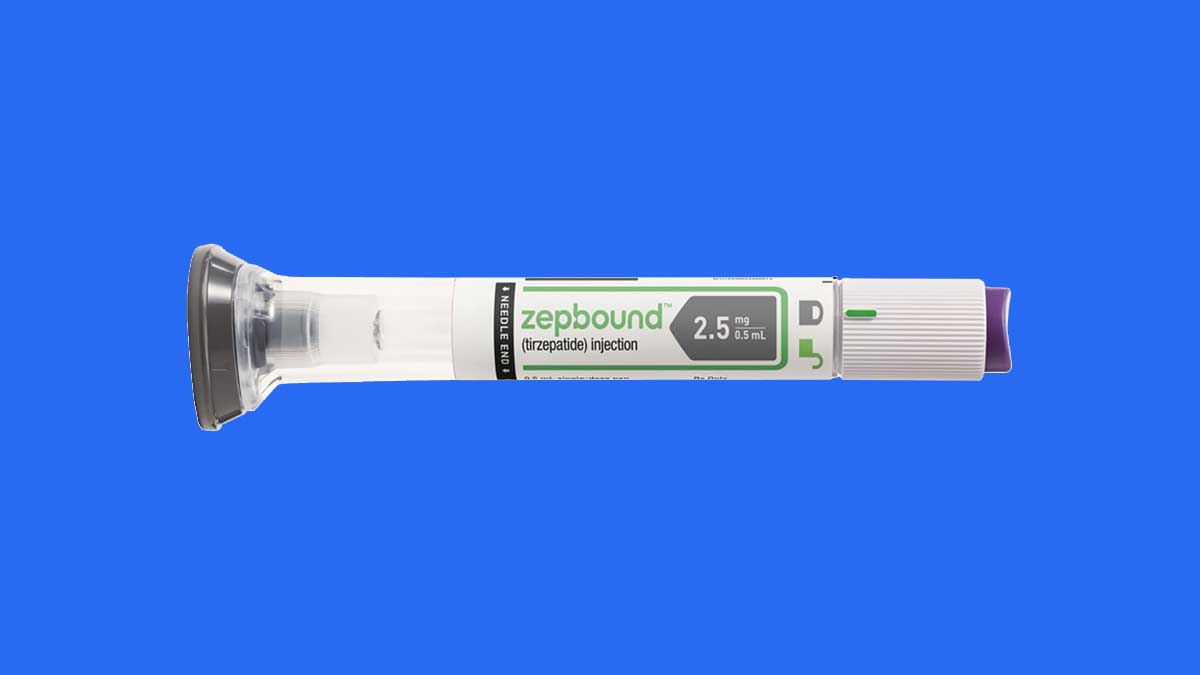
  • Are Insurance Companies Covering Zepbound

    Are Insurance Companies Covering Zepbound

    Are Insurance Companies Covering Zepbound? Learn if insurance companies are providing coverage for Zepbound. Explore details and gain insights into the current situation.

    Are Insurance Companies Covering Zepbound

    Zepbound, a brand name for the drug tirzepatide, is a recently FDA-approved medication for chronic weight management. While it offers a promising solution for individuals struggling with obesity, the question of insurance coverage remains. This can significantly impact the affordability of the treatment.

    This article delves into the current landscape of insurance coverage for Zepbound. We’ll explore the factors influencing coverage decisions, including the specific insurance plan, potential limitations, and available resources to help manage the costs.

    Current Insurance Landscape

    1. Limited Coverage: While FDA-approved, Zepbound’s commercial insurance coverage is not yet widespread.
    2. Individual Plan Dependent: Each insurance plan has its own formulary, a list of covered medications. Coverage for Zepbound depends on whether it’s included in your specific plan’s formulary.

    Factors Affecting Coverage

    • Type of Insurance: Coverage is currently limited to commercial plans. Government-funded programs like Medicare and Medicaid typically exclude Zepbound.
    • Medical Necessity: Insurers might require prior authorization, where a doctor justifies the medication’s medical necessity for your specific condition.
    • Commercial vs. Government Plans: Coverage is currently limited to commercial insurance plans. Government-funded healthcare programs like Medicare and Medicaid typically exclude Zepbound.

    Potential Coverage and Costs

    • Future Outlook: As Zepbound gains wider use, commercial insurers are likely to gradually add it to their formularies.
    • Current Options:
    • Limited Coverage Cases: If your plan covers Zepbound, you might still face deductibles and co-pays.
    • Zepbound Savings Card: The manufacturer offers a co-pay assistance program to help reduce out-of-pocket costs (refer to the official website for details).

    Here’s what you can do:

    • Contact your Insurance Provider: Directly inquire about Zepbound coverage under your specific plan.
    • Consult your Doctor: Discuss Zepbound’s suitability for your condition and potential coverage options.

    FAQs

    Is Zepbound covered by Medicare/Medicaid?

    No, currently, Zepbound is not covered by government-funded healthcare programs.

    What if my insurance doesn’t cover Zepbound?

    You can explore the Zepbound co-pay assistance program or discuss alternative treatment options with your doctor.

    Will insurance eventually cover Zepbound?

    As the medication becomes more established, commercial insurers are likely to consider adding it to their formulary. However, the specific timeline is uncertain.

    Will my commercial insurance cover Zepbound?

    Potentially. Contact your insurance provider to understand their specific policy regarding Zepbound coverage.

    How much does Zepbound cost without insurance?

    The cost can be significant. Zepbound’s manufacturer offers a savings card program that can bring down the price for commercially insured individuals whose plans cover the medication.

    Disclaimer

    This information is for general guidance only and should not be considered medical advice. Please consult with your healthcare professional for personalized recommendations regarding Zepbound and your insurance coverage.

    Check Out