

Tag: mortgage rates

  • United Wholesale Mortgage Review 2024

    United Wholesale Mortgage Review 2024

    United Wholesale Mortgage (UWM) is a prominent name in the mortgage industry, renowned for its dedication to serving mortgage brokers and their clients. Established in 1998, UWM has rapidly grown to become one of the largest mortgage lenders in the United States. The company’s focus on providing exceptional service and innovative solutions has contributed significantly to its success.

    United Wholesale Mortgage

    As a wholesale lender, UWM doesn’t deal directly with consumers. Instead, it partners with independent mortgage brokers across the country, offering them a comprehensive suite of mortgage products and services. This approach allows brokers to provide their clients with a personalized experience and access to a wider range of loan options.

    United Wholesale Mortgage Products and Services

    United Wholesale Mortgage (UWM) offers a comprehensive suite of mortgage products and services designed to meet the diverse needs of its broker partners and their clients. Here are some of the key offerings:

    Mortgage Products

    • Conventional Loans: These are the most common type of mortgage, backed by Fannie Mae or Freddie Mac. UWM offers a variety of conventional loan options, including fixed-rate and adjustable-rate mortgages (ARMs).
    • Government-Backed Loans: UWM provides government-backed loans, such as:
    • FHA Loans: Federal Housing Administration loans offer low down payment requirements and flexible credit guidelines, making them ideal for first-time homebuyers.
    • VA Loans: Veterans Affairs loans provide favorable terms and often no down payment requirements for eligible veterans and service members.
    • USDA Loans: United States Department of Agriculture loans are available in rural areas and offer low-interest rates and no down payment requirements.
    • Jumbo Loans: These are mortgages that exceed the conforming loan limits set by Fannie Mae and Freddie Mac. UWM offers jumbo loan options for borrowers purchasing high-value properties.

    Additional Services

    • Rate Lock: UWM’s rate lock service allows borrowers to secure a specific interest rate for a predetermined period, protecting them from potential rate increases.
    • Closing Cost Assistance: UWM may offer closing cost assistance programs to help borrowers with the upfront costs of purchasing a home.
    • Refinance Options: UWM provides a variety of refinance options to help borrowers lower their interest rates, shorten their loan terms, or consolidate debt.
    • Technology Solutions: UWM offers advanced technology tools to streamline the mortgage process, including online applications, digital document signing, and real-time rate updates.

    In addition to these core products and services, UWM may offer other specialized programs or promotions from time to time. It’s always recommended to consult with a mortgage broker to discuss your specific needs and explore the available options.

    Why Choose UWM?

    • Technology-Driven Platform: UWM’s proprietary technology platform, known as 202, streamlines the mortgage process, making it more efficient and transparent for both borrowers and lenders.
    • Competitive Rates: UWM offers competitive mortgage rates, helping borrowers secure favorable terms for their home loans.
    • Extensive Product Offerings: UWM provides a diverse range of mortgage products to cater to the needs of various borrowers, including conventional loans, FHA loans, VA loans, and jumbo loans.
    • Exceptional Customer Service: UWM is dedicated to providing exceptional customer service. Their team of mortgage experts is available to assist borrowers and lenders throughout the entire loan process.

    Benefits of Using United Wholesale Mortgage

    United Wholesale Mortgage (UWM) offers several benefits to mortgage brokers and their clients:

    For Mortgage Brokers

    • Extensive Product Offerings: UWM provides a wide range of mortgage products to meet the diverse needs of their clients, helping brokers offer a comprehensive solution.
    • Competitive Rates and Terms: UWM strives to offer competitive rates and terms, allowing brokers to provide their clients with attractive mortgage options.
    • Advanced Technology: UWM’s technology platform streamlines the mortgage process, making it more efficient and convenient for brokers and their clients.
    • Strong Support Network: UWM provides dedicated support to its broker partners, including training, marketing resources, and account management.

    For Borrowers

    • Access to a Wider Range of Loan Options: By partnering with UWM, mortgage brokers can offer their clients access to a broader range of mortgage products and services.
    • Personalized Service: Mortgage brokers can provide personalized guidance and support throughout the homebuying process.
    • Potential for Competitive Rates: UWM’s competitive rates and terms can help borrowers secure a favorable mortgage.
    • Efficient Application Process: UWM’s technology platform can streamline the mortgage application process, making it faster and more convenient for borrowers.

    United Wholesale Mortgage offers a range of benefits for both mortgage brokers and borrowers, making it a valuable partner in the homebuying process.

    How to Find a Great Mortgage Broker

    A mortgage broker can be a valuable asset in the homebuying process, helping you secure the best possible loan terms and navigate the complexities of the mortgage market. Here are some tips on how to find a great mortgage broker:

    1. Referrals:

    • Friends and Family: Ask friends, family, or colleagues for recommendations. Personal referrals are often a reliable way to find a trustworthy broker.
    • Real Estate Agents: Your real estate agent may have relationships with reputable mortgage brokers and can offer recommendations.

    2. Online Research:

    • Professional Associations: Look for mortgage brokers who are members of professional organizations like the National Association of Mortgage Brokers (NAMB).
    • Online Reviews: Check online review platforms to see what other clients have to say about specific brokers.

    3. Interview Potential Brokers:

    • Experience: Ask about the broker’s experience in the mortgage industry, including how long they’ve been in business and the types of loans they specialize in.
    • Certifications: Inquire about any certifications or designations the broker holds, such as Certified Mortgage Planning Specialist (CMPS) or Certified Residential Mortgage Underwriter (CRMU).
    • Communication: Assess how well the broker communicates and responds to your questions. A good broker should be responsive and easy to reach.
    • Fees: Understand the broker’s fees and how they are structured. Some brokers charge upfront fees, while others may earn commissions from the lender.

    4. Check Credentials:

    • Licensing: Verify that the broker is licensed to operate in your state. You can check licensing information through your state’s Department of Financial Services.
    • Complaints: Look for any complaints or disciplinary actions against the broker.

    5. Get Multiple Quotes:

    • Comparison Shopping: Obtain quotes from several mortgage brokers to compare rates, fees, and terms.
    • Negotiation: Having multiple offers can give you more bargaining power when negotiating the best deal.

    By following these steps, you can increase your chances of finding a mortgage broker who can help you secure a favorable loan and make the homebuying process smoother.

    How to Apply for a Mortgage with United Wholesale Mortgage

    Note: As a wholesale lender, UWM doesn’t deal directly with consumers. You’ll need to work with an independent mortgage broker who partners with UWM to apply for a mortgage.

    Steps to Apply for a Mortgage Through a UWM Broker:

    1. Find a UWM Broker: You can find a UWM broker through referrals, online searches, or by contacting UWM directly. They can provide you with information about their specific services and qualifications.
    2. Gather Required Documentation: Your broker will likely request the following documents:
    3. Proof of income (pay stubs, tax returns, W-2 forms)
    4. Credit report
    5. Identification (driver’s license, passport)
    6. Bank statements
    7. Proof of assets (investment accounts, retirement accounts)
    8. Property tax information (if applicable)
    9. Complete the Mortgage Application: Your broker will guide you through the mortgage application process, which typically involves providing personal and financial information.
    10. Pre-Approval: Once you’ve submitted the necessary documentation, your broker will work with UWM to obtain a pre-approval letter. This letter indicates the maximum loan amount you’re eligible for and can help you narrow your home search.
    11. Home Shopping: With a pre-approval letter in hand, you can start looking for homes within your budget. Your broker can assist you in finding properties that meet your needs and preferences.
    12. Loan Underwriting: Once you’ve found a home, your broker will submit your loan application for underwriting. This involves a thorough review of your financial information to determine your eligibility for the loan.
    13. Closing: If your loan is approved, you’ll need to attend a closing meeting to finalize the purchase of your home. At the closing, you’ll sign the loan documents and receive the keys to your new property.

    Frequently Asked Questions About UWM

    What is UWM’s business model?

    UWM is a wholesale lender, meaning it works exclusively with independent mortgage brokers. These brokers partner with UWM to offer mortgage products to their clients.

    How does UWM’s technology platform, 202, benefit borrowers?

    202 streamlines the mortgage process, making it faster and more efficient. Borrowers can track the progress of their loan application in real-time and receive timely updates.

    Does UWM offer any online tools or resources for borrowers?

    Yes, UWM provides online tools and resources to help borrowers understand the mortgage process and make informed decisions. These include mortgage calculators, pre-qualification tools, and educational materials.

    Can I apply for a mortgage directly through UWM?

    No, UWM works exclusively with independent mortgage brokers. To apply for a mortgage, you’ll need to work with a broker who partners with UWM.

    How does UWM compare to other mortgage lenders?

    UWM is known for its innovative technology, competitive rates, and exceptional customer service. It is a leading choice for many mortgage professionals and borrowers.

    Conclusion

    United Wholesale Mortgage is a reputable and innovative mortgage lender that offers a wide range of products and services. With its commitment to technology and customer satisfaction, UWM has established itself as a trusted partner in the mortgage industry. If you’re considering a home loan, it’s worth exploring the options available through UWM.

  • Mortgage 15 Year Rates – What You Need to Know

    Mortgage 15 Year Rates – What You Need to Know

    Congratulations! You’re on the path to homeownership, and one of the crucial decisions you’ll face is choosing the right mortgage term. While the 30-year fixed-rate mortgage is a popular option, the 15-year fixed-rate mortgage offers unique advantages that can significantly benefit financially savvy borrowers. This comprehensive guide delves into everything you need to know about 15-year mortgage rates, empowering you to make an informed decision.

    Understanding 15-Year Mortgage Rates

    What are 15-year mortgage rates?

    These are the fixed interest rates attached to a 15-year fixed-rate mortgage. You lock into a single rate throughout the loan term, offering predictability in your monthly payments.

    How do they differ from 30-year rates?

    Generally, 15-year mortgage rates are lower than 30-year rates because you’re repaying the loan in half the time. This translates to significant savings on interest paid over the life of the loan.

    Factors Affecting 15-Year Mortgage Rates

    Several factors influence the interest rate you receive:

    • Credit Score: A higher credit score (typically above 740) qualifies you for the best rates.
    • Loan Amount: Borrowing a smaller sum generally results in a lower rate.
    • Down Payment: A larger down payment (ideally 20% or more) reduces the loan amount you need to borrow and strengthens your application, potentially lowering your rate.
    • Loan-to-Value Ratio (LTV): This ratio compares your loan amount to the appraised value of your home. A lower LTV improves your borrowing power and might qualify you for a better rate.
    • Current Market Conditions: Interest rates fluctuate based on economic factors.

    Advantages of a 15-Year Mortgage

    • Lower Interest Costs: You’ll pay substantially less interest compared to a 30-year loan due to the shorter repayment term.
    • Faster Equity Buildup: With larger monthly payments, you pay down the principal amount quicker, leading to faster equity ownership in your home.
    • Peace of Mind: Knowing your home will be paid off sooner brings financial security and stability.
    • Potential for Refinance: Once you’ve built significant equity, you might be able to refinance into a lower-rate mortgage in the future.

    Disadvantages of a 15-Year Mortgage

    • Higher Monthly Payments: Compared to a 30-year loan, the monthly payments are significantly higher, requiring stricter budgeting.
    • Less Qualifying Flexibility: You may need a higher credit score and larger down payment to qualify for the best rates on a 15-year mortgage.
    • Limited Payment Flexibility: With a fixed-rate loan, there’s less room for adjusting payments in case of financial hardship.

    15-Year Mortgage vs. 30-Year Mortgage

    Features15-year fixed rate30-year fixed rate
    Interest rateLowerHigher
    Monthly paymentHigherLower
    Total interest paidLowerHigher
    Equity buildupFasterSlower
    Qualifying requirementsTypically stricterMore flexible

    Who Should Consider a 15-Year Mortgage?

    This option is ideal for borrowers who:

    • Prioritize paying off their mortgage sooner.
    • Have a strong credit score and stable income.
    • Can comfortably afford the higher monthly payments.
    • Want to maximize their equity ownership in their home.

    Finding the Best 15-Year Mortgage Rates

    • Shop around: Compare rates from multiple lenders, including banks, credit unions, and online lenders.
    • Get quotes: Obtain personalized quotes based on your financial profile.
    • Consider online lenders: They often offer competitive rates and a streamlined application process.
    • Don’t focus solely on rate: Evaluate loan terms, fees, and lender reputation.

    Additional Tips for Securing a Favorable 15-Year Mortgage Rate

    • Improve your credit score: Aim for a score above 740 to qualify for the best rates.
    • Increase your down payment: A larger down payment reduces your loan amount and strengthens your application.
    • Consider a shorter loan term: If a 15-year term seems daunting, explore a 20-year fixed-rate mortgage for a balance between affordability and faster payoff.

    FAQs

    Are 15-year mortgage rates always lower than 30-year rates?

    Generally, yes. The shorter loan term of a 15-year mortgage translates to lower risk for lenders, allowing them to offer more competitive rates.

    Is a 15-year mortgage right for me?

    It depends on your financial situation and goals. Consider your budget, risk tolerance, and long-term financial plans. If you prioritize building equity quickly and have a comfortable monthly payment buffer, a 15-year mortgage could be ideal.

    How can I improve my chances of getting a good 15-year rate?

    Focus on improving your credit score, saving for a larger down payment, and comparing rates from multiple lenders.

    How can I get pre-approved for a 15-year mortgage?

    Contact a lender or mortgage broker to initiate the pre-approval process. They will assess your financial health and provide an estimated loan amount you qualify for.

    How much is a typical monthly payment for a 15-year mortgage?

    Monthly payments are higher than a 30-year loan for the same loan amount due to the shorter repayment term. Use a mortgage calculator to estimate payments based on your loan amount and interest rate.

    Can I refinance my existing mortgage to a 15-year term?

    Yes, refinancing can be a good option if you have a higher interest rate on your current mortgage and want to lower your interest payments and pay off your home faster.

    What are the drawbacks of a 15-year mortgage?

    The higher monthly payments can strain your budget. There’s less flexibility compared to a 30-year loan, and you may miss out on potential future rate reductions.

    Conclusion

    A 15-year fixed-rate mortgage offers a strategic path to homeownership, accelerating equity buildup, reducing interest costs, and achieving financial freedom faster. By understanding the factors influencing rates, evaluating your financial situation, and strategically shopping around, you can secure the best 15-year mortgage rate and unlock the doors to a secure and fulfilling future.

  • Will Home Loan Interest Rates Go Down in 2024

    Will Home Loan Interest Rates Go Down in 2024

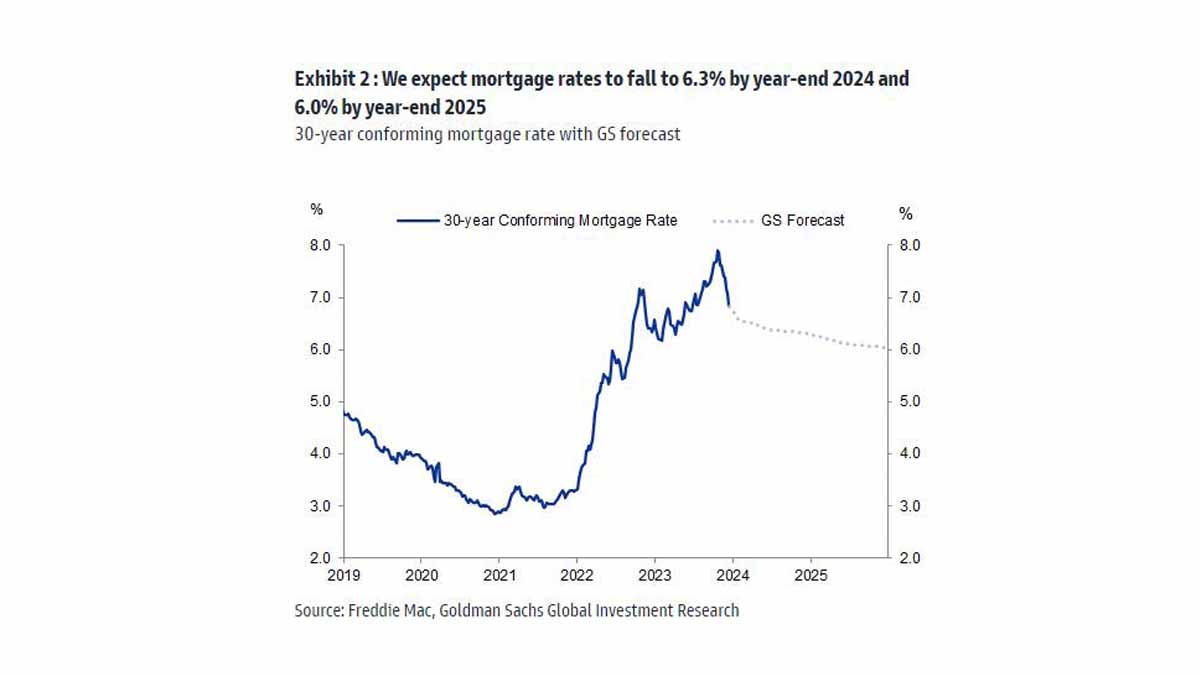
    Will Home Loan Interest Rates Go Down in 2024? In 2023, home loan interest rates surged after years of historic lows. But what does 2024 hold for prospective homebuyers? This article dives deep into the factors influencing interest rates and explores expert predictions for the rest of the year.

    Will Home Loan Interest Rates Go Down in 2024

    Current Mortgage Rate Trends

    While rates soared in 2023, there have been recent signs of a potential decline. After hitting a 23-year high, some lenders are reporting a slight decrease. However, it’s important to remember that the market can be volatile, and short-term fluctuations don’t necessarily guarantee a long-term downward trend.

    Understanding Interest Rate Fluctuations

    Home loan interest rates are impacted by a complex interplay of economic forces. Here are some key players:

    Federal Reserve Policy

    The Federal Reserve (Fed) influences interest rates by raising or lowering its federal funds rate. When inflation is high, the Fed typically raises rates to slow down borrowing and spending. Conversely, the Fed may lower rates to stimulate the economy during sluggish periods.

    Economic Conditions

    A strong economy with low unemployment can lead to rising interest rates. On the other hand, a recessionary environment might prompt the Fed to lower rates to encourage borrowing and investment.

    Inflation

    Inflation, the rising cost of goods and services, is a major concern for the Fed. If inflation is high, the Fed is likely to raise rates to curb it.

    2024 Interest Rate Forecasts

    While predicting the future is never foolproof, here’s what some housing experts anticipate for the remainder of 2024:

    • Potential Rate Decreases: Many experts believe interest rates may decrease as the year progresses. This is contingent on inflation subsiding and the economy potentially softening.
    • Rates Still Above Historical Lows: Even with a decline, interest rates are likely to remain higher compared to the record lows witnessed in recent years.

    Should You Wait or Buy Now?

    The decision of whether to wait or buy a house depends on your individual circumstances. Here are some factors to consider:

    • Financial Situation: Can you comfortably afford a mortgage payment at current interest rates?
    • Urgency to Buy: Do you have a pressing need to move, or is buying flexible for you?
    • Market Conditions: Is the housing market competitive in your area? Are there signs of a slowdown?

    Tips for Making a Decision

    • Get Pre-Approved: Pre-approval allows you to understand how much you can borrow and shows sellers you’re a serious buyer.
    • Talk to a Mortgage Lender: A qualified lender can explain different loan options and current rates.
    • Consider All Costs: Factor in closing costs, property taxes, and homeowners insurance in addition to the mortgage payment.

    FAQs

    Will interest rates definitely go down in 2024?

    There’s no guarantee. The Fed’s actions and economic conditions will significantly influence interest rates.

    Should I wait to buy a home if I expect rates to drop?

    This depends on your individual circumstances. Waiting for a lower rate might save you money, but housing prices could also continue to rise. Consider factors like your financial stability, urgency to move, and the local housing market.

    How can I stay updated on interest rate trends?

    Monitor financial news websites, follow mortgage lender blogs, and sign up for lender rate alerts.

    What steps can I take to get a good interest rate on a home loan?

    Improve your credit score, save for a larger down payment, and compare rates from multiple lenders.

    Remember: Consulting a qualified mortgage professional is crucial for personalized advice tailored to your financial situation and homeownership goals. They can help you navigate current rates and guide you through the home loan process.

    Conclusion

    While predicting the future of mortgage rates is challenging, staying informed and having a solid financial plan are key. By considering expert analyses, your personal circumstances, and the current housing market, you can make a well-informed decision about buying a home in 2024.

    Check Out

  • Caliber Home Loans Interest Rates in 2024

    Caliber Home Loans Interest Rates in 2024

    Whether you’re a first-time homebuyer embarking on your dream or a seasoned homeowner looking to refinance, understanding mortgage rates is crucial. Caliber Home Loans, a prominent lender in the market, offers a diverse range of loan options, but navigating the intricacies of interest rates can feel daunting. This guide delves into the world of Caliber Home Loans interest rates, equipping you with the knowledge to make informed decisions for your financial journey.

    Caliber Home Loans Interest Rates

    In the following sections, we’ll unveil the key factors influencing your individual rate, explore the various loan types offered by Caliber, and provide valuable resources to help you compare rates and secure the most competitive terms. By the end, you’ll be empowered to approach Caliber Home Loans with confidence, ready to find the interest rate that aligns perfectly with your financial goals. So, buckle up and let’s unlock the secrets of mortgage rates with Caliber Home Loans!

    Current Caliber Home Loan Interest Rates

    Current average rates

    As of February 15, 2024, the average 30-year fixed mortgage rate in the US is around 6.13%, while the average 15-year fixed rate is around 5.81%. These are national averages, and your individual rate may be higher or lower depending on the factors mentioned above.

    Caliber’s Reported Rates

    According to third-party sources, Caliber’s current rates for 30-year fixed loans are around 6.13% and 15-year fixed loans are around 5.75%. Keep in mind that these are just averages and your personalized rate may differ.

    Visit Caliber Home Loans’ website. They provide estimated rates based on different loan types, including:

    • Fixed-rate loans: Lock in a set interest rate for the entire loan term (15, 20, 30 years).
    • Adjustable-rate mortgages (ARMs): Interest rate adjusts periodically based on an index (e.g., 5/1 ARM adjusts every 5 years after an initial fixed period).
    • FHA loans: Government-backed loans with lower credit score requirements (down payment as low as 3.5%).
    • VA loans: Guaranteed by the Department of Veterans Affairs for eligible veterans and active-duty service members (no down payment required).
    • USDA loans: Designed for rural homeownership with relaxed credit score requirements and no down payment for qualified borrowers.

    Factors Influencing Caliber Interest Rates

    Understanding the factors impacting Caliber’s interest rates can empower you to make informed decisions:

    1. Individual Borrower Factors:

    • Credit Score: Higher credit scores typically qualify for lower interest rates. Caliber sets minimum credit score requirements for different loan types.
    • Loan Amount: Larger loans generally carry slightly higher interest rates due to increased risk for the lender.
    • Down Payment: Higher down payments reduce the loan amount and associated risk, potentially leading to lower rates.
    • Loan-to-Value Ratio (LTV): LTV compares your loan amount to the property value. Lower LTVs (more equity) often result in more favorable rates.
    • Debt-to-Income Ratio (DTI): Measures your monthly debt payments compared to your gross income. Lower DTIs indicate better affordability, potentially leading to better rates.

    2. Market and Economic Factors:

    • Federal Reserve Policy: The Fed’s interest rate decisions significantly impact mortgage rates. When the Fed raises rates, mortgage rates typically follow suit.
    • National Economic Conditions: A strong economy with high inflation might lead to higher rates to combat inflation. Conversely, a weak economy might see lower rates to stimulate growth.
    • Mortgage Bond Market: Mortgage rates are influenced by the demand for mortgage-backed securities (MBS) in the bond market. Higher demand leads to lower rates, and vice versa.

    3. Caliber-Specific Factors:

    • Operating Costs: Caliber’s internal costs, such as overhead and employee salaries, influence their pricing strategy.
    • Competition: Rates may be adjusted to remain competitive in the market, attracting borrowers with attractive offers.
    • Lender Profit Margin: Caliber seeks to balance competitive rates with maintaining profitability, impacting their pricing decisions.

    Remember: These factors interact dynamically, making it difficult to predict exact rates. Caliber may offer different rates based on their assessment of your individual risk and market conditions.

    Comparison of Caliber Rates to Other Lenders

    Directly comparing Caliber Home Loan rates to other lenders isn’t possible due to the constant fluctuation of rates and the personalized nature of individual quotes. However, I can offer some guidance on how to effectively compare rates and find the best option for you:

    1. Utilize Online Mortgage Comparison Tools

    Websites like Zillow, Bankrate, or NerdWallet offer mortgage comparison tools. These tools allow you to input your loan details and receive estimated rates from various lenders, including Caliber. However, remember these are estimates, and your actual rate may differ.

    2. Contact Multiple Lenders

    Don’t rely solely on Caliber. Reach out to several other reputable lenders, including national banks, credit unions, and local mortgage brokers. This broadens your options and allows you to compare different rates, fees, and overall service experiences.

    3. Focus on the APR, not just the interest rate

    The Annual Percentage Rate (APR) factors in both the interest rate and any additional fees, giving you a more accurate picture of the total loan cost. Pay attention to the APR when comparing rates from different lenders.

    4. Consider the lender’s reputation and service

    While rates are crucial, don’t neglect the lender’s reputation and customer service. Research online reviews, ask friends and family for recommendations, and ensure you feel comfortable with the lender’s communication and transparency.

    5. Negotiate your rate

    Once you have several quotes, don’t hesitate to negotiate with each lender. Mention better offers you’ve received and see if they can match or come close. Remember, being informed and prepared strengthens your negotiating position.

    Eligibility Requirements and Application Process

    Eligibility Requirements:

    1. Minimum credit score: Varies depending on the loan type, but generally ranges from 620 to 740+ (FHA loans may accept lower scores).
    2. Employment history: Stable employment with verifiable income is essential.
    3. Debt-to-income ratio (DTI): Your monthly debt payments should not exceed a certain percentage of your gross income (usually 36% or less).
    4. Down payment: The amount varies based on the loan type and your creditworthiness. FHA loans allow for 3.5% down, while conventional loans typically require 20%.
    5. Residency: You must be a legal resident of the US and meet citizenship requirements for certain loan types.

    Application Process:

    1. Pre-qualification: Get a preliminary assessment of your eligibility and estimated interest rate. This doesn’t require a formal application but helps gauge your affordability.
    2. Gather documents: Prepare pay stubs, tax returns, bank statements, W-2s, and employment verification documents.
    3. Formal application: Submit your application online or through a loan officer.
    4. Processing and underwriting: Caliber will verify your information and assess your financial situation.
    5. Approval: If approved, you’ll receive a loan commitment outlining the terms and conditions.
    6. Closing: Finalize paperwork, sign documents, and pay closing costs to officially secure the loan.

    Tips for Getting the Best Possible Rate

    Here are some tips for getting the best possible rate on your Caliber Home Loan, or any mortgage for that matter:

    Before You Apply:

    • Boost your credit score: This is the single most important factor influencing your interest rate. Aim for a score of 740 or higher for the best rates. You can check your credit report for free once a year and dispute any errors.
    • Reduce your debt-to-income ratio (DTI): Aim for a DTI ratio below 36%. Pay down high-interest debt like credit cards before applying.
    • Save for a larger down payment: Putting down more money reduces the risk for the lender and can qualify you for lower rates. Aim for at least 20%, but even a 5% down payment can help compared to no down payment options.
    • Shop around: Compare rates from multiple lenders, including Caliber, online lenders, and local credit unions. Don’t just accept the first quote you get.
    • Consider a shorter loan term: Shorter terms (e.g., 15 years) typically have lower rates than longer terms (e.g., 30 years). However, ensure the monthly payment fits your budget.

    During the Application Process:

    • Be upfront and honest: Disclose all your income and debts accurately.
    • Negotiate the rate: Don’t be afraid to negotiate your interest rate, especially if you have a strong credit score and low DTI.
    • Consider buying points: You can pay upfront points to lower your interest rate over the life of the loan. This might be worthwhile if you plan to stay in your home for a long time.
    • Choose the right loan type: Consider your individual needs and financial goals when selecting a loan type (fixed-rate, adjustable-rate, FHA, VA, etc.).