Tag: personal finance

  • Which Loan App is the Best in Nigeria

    Which Loan App is the Best in Nigeria

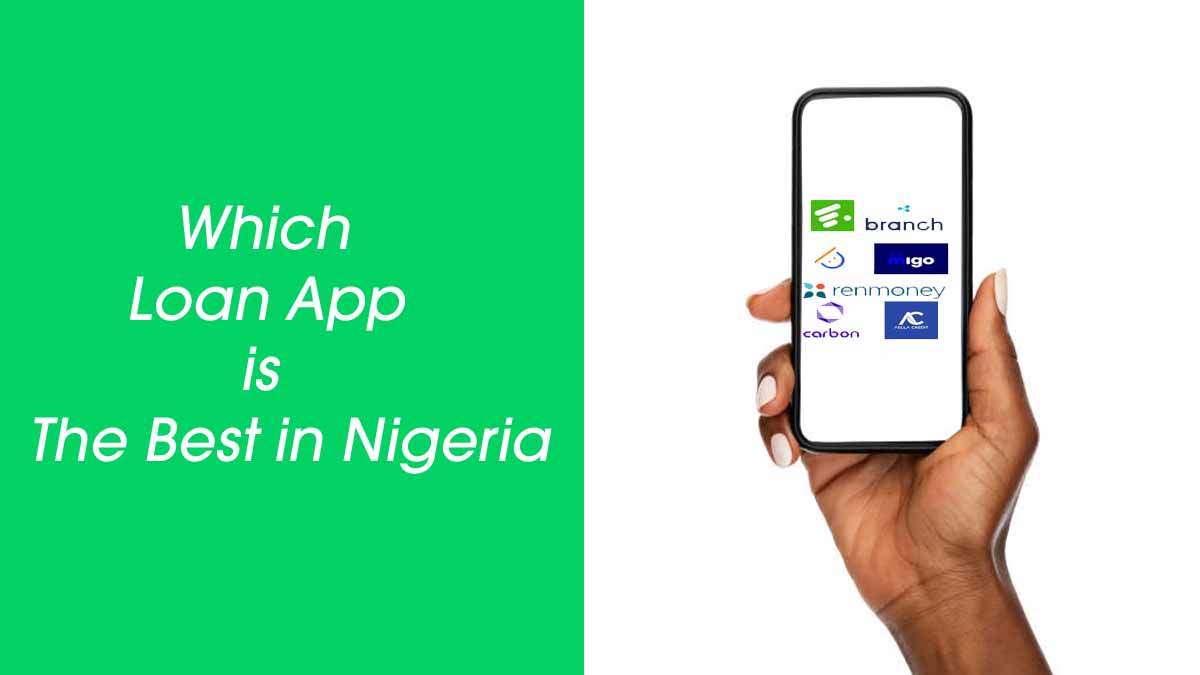
    Which Loan App is the Best in Nigeria? In today’s Nigeria, where financial needs can arise unexpectedly, loan apps have become a popular solution for quick and convenient access to cash. But with a plethora of options available, choosing the “best” app can feel overwhelming. This exploration dives into the factors to consider when navigating the Nigerian loan app landscape, helping you identify the platform that aligns best with your specific needs and financial goals.

    Which Loan App is the Best in Nigeria

    Beyond just interest rates and loan amounts, we’ll delve into crucial aspects like app security, repayment flexibility, and customer service. Remember, the “best” loan app isn’t a one-size-fits-all answer, but rather the one that empowers you with informed decision-making and responsible borrowing. So, buckle up as we equip you with the knowledge to confidently navigate the world of Nigerian loan apps and find the perfect fit for your financial journey.

    Top 10 Best Loan App in Nigeria

    Branch

    Offers quick and easy loans with flexible repayment terms. Loan amounts range from ₦1,500 to ₦150,000 with repayment periods of 91 days to 1 year. Interest rates start from 15% per month.

    FairMoney

    Provides loans for various purposes, including education, medical bills, and business needs. Loan amounts range from ₦2,500 to ₦1,500,000 with repayment periods of 3 to 24 months. Interest rates start from 29% per annum.

    Palmcredit

    Offers small and medium-sized loans with flexible repayment options. Loan amounts range from ₦2,000 to ₦300,000 with repayment periods of 14 to 180 days. Interest rates range from 4% to 21% per month.

    Carbon

    Provides personal loans for various needs. Loan amounts range from ₦6,000 to ₦1,000,000 with repayment periods of 3 to 6 months. Interest rates start from 30.75% per annum.

    Okash

    Offers quick and easy loans with minimal documentation required. Loan amounts range from ₦3,000 to ₦500,000 with repayment periods of 91 to 365 days. Interest rates range from 0.1% to 1% per day (36.5% to 360% per annum).

    Aella Credit

    Provides personal loans for salaried individuals and small business owners. Loan amounts range from ₦20,000 to ₦1,000,000 with repayment periods of 1 to 3 months. Interest rates start from 35% per annum.

    QuickCheck

    Offers quick and convenient loans with instant approval. Loan amounts range from ₦1,500 to ₦500,000 with repayment periods of 91 days to 1 year. Interest rates start from 5% per month on the first loan.

    Kuda Bank

    Offers a mobile banking app with features like savings, debit cards, and bill payments. It also offers personal loans to qualified customers. Loan amounts range from ₦10,000 to ₦500,000 with repayment periods of 6 to 12 months. Interest rates start from 29% per annum.

    Renmoney

    Provides personal and business loans for various purposes. Loan amounts range from ₦6,000 to ₦6,000,000 with repayment periods of up to 24 months. Interest rates start from 26% per annum.

    Paylater

    Offers buy-now-pay-later services for online shopping. Users can purchase items and pay for them in installments over time. Interest rates vary depending on the merchant and repayment period.

    Remember: Before choosing a loan app, it’s important to carefully consider your needs, compare interest rates and fees, and read the terms and conditions thoroughly. Only borrow what you can afford to repay and be sure to make your payments on time to avoid late fees and penalties.

    Comparing Popular Nigerian Loan Apps

    Choosing the right loan app in Nigeria depends on your specific needs and circumstances. Here’s a comparative table to help you compare some of the popular options you mentioned:

    Loan AppsLoans AccountRepayment PeriodInterest RateMinimum RequirementsFocus
    Branch₦1,500 – ₦150,00091 days – 1 year15% per month18+, valid ID, BVNQuick personal loans
    FairMany₦2,500 – ₦1,500,0003-4 months29% per month18+, valid ID, BVNVarious purposes
    Palmcredit₦2,000 – ₦300,00014 – 180 days4% – 21% per month18+, valid ID, BVNSmall & medium loans
    Carbon₦6,000 – ₦1,000,0003 – 6 months30.75% per annum18+, valid ID, BVNPersonal loans
    Okash₦3,000 – ₦500,00091 – 365 days0.1% – 1% per day (36.5% – 360% per annum)18+, valid ID, BVNQuick & easy loans
    Aella Credit₦20,000 – ₦1,000,0001 – 3 months35% per annum Employed with regular income, valid ID, BVNSalaried individuals & small businesses
    QuickCheck₦1,500 – ₦500,00091 days – 1 years5% per month (first loan)18+, valid ID, BVNQuick & convenient loans
    Kuda Bank₦10,000 – ₦500,0006 – 12 months29% per annum18+, valid ID, BVNMobile banking with loans
    Renmoney₦6,000 – ₦6,000,000Up to 24 months26% per annumVaries by loan typePersonal & and business loans
    PaylaterVaries by merchantVaries by merchantVaries by merchantVaries by merchantOnline shopping installments

    How to Choose a Loan App in Nigeria

    Choosing the right loan app in Nigeria can be tricky, but with careful consideration, you can find one that aligns with your needs and avoids potential pitfalls. Here are some key factors to consider:

    1. Borrower Eligibility

    • Age: Most loan apps require borrowers to be at least 18 years old.
    • Employment: Some apps cater specifically to salaried individuals, while others are open to self-employed or informal sector workers.
    • Creditworthiness: Many apps use alternative data (like phone usage) to assess creditworthiness, but some may require bank statements or other documentation.

    2. Loan Terms

    • Loan Amount: Consider how much you need and compare maximum loan amounts across different apps.
    • Interest Rates: Compare Annual Percentage Rates (APRs) and understand how fees are calculated (e.g., origination fees, late fees).
    • Repayment Period: Choose a repayment plan that fits your budget and avoid excessively short terms with high interest burdens.

    3. App Features and Transparency:

    • User Interface: Look for apps with easy-to-use interfaces and clear information about loan terms and fees.
    • Customer Support: Choose an app with responsive customer service available through various channels (phone, email, live chat).
    • Transparency: Ensure the app clearly discloses all terms, fees, and potential penalties before you apply.

    4. Regulatory Compliance

    • FCCPC Approval: Only choose apps licensed and regulated by the Federal Competition and Consumer Protection Commission (FCCPC).
    • Data Privacy: Read the app’s privacy policy to understand how your data is collected, stored, and used.

    5. Additional Considerations

    • Reviews and Ratings: Read online reviews and app store ratings to gain insights from other users’ experiences.
    • Compare Across Categories: Don’t limit yourself to the most popular apps; explore lesser-known options that might offer better terms.
    • Borrow Responsibly: Only borrow what you can afford to repay on time and avoid falling into a debt trap.

    Beyond these factors, remember:

    • NEVER share your bank account details or passwords with any loan app.
    • BEWARE of hidden fees or predatory practices like excessive interest rates or aggressive debt collection tactics.
    • ALWAYS read the terms and conditions carefully before accepting any loan offer.

    By diligently evaluating these factors and exercising caution, you can choose a safe and reliable loan app that meets your financial needs in Nigeria.

    FAQs

    What are the safest and most reliable loan apps in Nigeria?

    Safety and reliability depend on several factors, including:

    • FCCPC license: Always choose apps licensed by the Federal Competition and Consumer Protection Commission (FCCPC).
    • Customer reviews and ratings: Read online reviews and app store ratings to understand user experiences.
    • Transparency: Ensure the app discloses all terms, fees, and potential penalties.
    • Data privacy: Understand how the app collects, stores, and uses your data.

    What are the interest rates and fees charged by loan apps?

    Interest rates can vary significantly, typically ranging from 15% to 30% per month. Some apps may charge origination fees or processing charges. Always compare the Annual Percentage Rate (APR) for a true picture of the overall cost of borrowing.

    How quickly can I get a loan from an app?

    Many apps offer quick decisions and disbursements within minutes or hours, especially for smaller loans. However, larger loans or those requiring additional documentation might take longer.

    What are the eligibility requirements for using a loan app?

    Most apps require you to be at least 18 years old and a Nigerian resident. Some cater to salaried individuals, while others accept self-employed or informal sector workers. Creditworthiness is often assessed through alternative data like phone usage.

    Are there any red flags to watch out for when choosing a loan app?

    Be cautious of apps that:

    • Request excessive permissions or access to sensitive data.
    • Offer unrealistic interest rates or repayment terms.
    • Pressure you into applying without understanding the terms.
    • Don’t have clear contact information or customer support.
    • Are not licensed by the FCCPC.

    Remember, borrowing responsibly is essential. Only borrow what you can afford to repay on time and avoid falling into a debt trap.

    Disclaimer

    I am not able to provide financial advice. This content is for informational purposes only and should not be considered as a substitute for professional financial advice. Please consult with a qualified financial advisor before making any financial decisions.

  • Apply.priority plus financial.com – Apply for PriorityPlus Financial

    Apply.priority plus financial.com – Apply for PriorityPlus Financial

    In today’s fast-paced world, managing finances effectively is crucial for achieving your goals and securing your future. This is where Apply.Priority Plus Financial.com comes in, offering a range of comprehensive financial services tailored to meet your needs and aspirations.

    Apply.priority plus financial.com

    Apply.Priority Plus Financial is a leading financial services provider dedicated to helping individuals and businesses navigate their financial journeys with confidence. With a focus on customer satisfaction and innovation, Apply.Priority Plus Financial offers a wide array of services, including personal loans, investment opportunities, insurance solutions, and more.

    What PriorityPlus is

    Several financial institutions use the name “PriorityPlus,” such as Priority Plus Financial, a consumer finance company, and Priority Plus Federal Credit Union. These companies typically offer a variety of financial products and services, such as loans, credit cards, and checking accounts.

    Priority Plus Benefits

    Debt consolidation loans

    PriorityPlus offers debt consolidation loans that can help you simplify your payments and potentially lower your interest rate. This can make it easier to manage your debt and pay it off faster.

    Personal loans

    PriorityPlus also offers personal loans that can be used for a variety of purposes, such as home improvement, medical bills, or debt consolidation. Personal loans from PriorityPlus typically have lower interest rates than credit cards, which can save you money in the long run.

    Credit repair services

    PriorityPlus offers credit repair services that can help you improve your credit score. This can make it easier to qualify for loans and other forms of credit, and it can also help you lower your interest rates.

    Financial education

    PriorityPlus also offers a variety of financial education resources that can help you learn more about managing your money. This can be helpful if you are looking to improve your financial literacy and make better financial decisions.

    Eligibility for priority plus

    Some general eligibility criteria that are commonly required by lenders and financial service providers:

    General Eligibility:

    • Age: You must be at least 18 years old.
    • Citizenship: You must be a citizen or permanent resident of the country where you are applying for the service.
    • Income: You must have a sufficient income to make your monthly payments. This will vary depending on the product or service and your overall financial situation.
    • Employment: You must be employed or have a reliable source of income.
    • Credit History: You will need to have a good credit history to qualify for most products and services. However, PriorityPlus does offer options for people with bad credit or no credit history.

    Additional Eligibility Requirements:

    • Debt Consolidation Loans: In addition to the general eligibility criteria, you will typically need to have at least $5,000 in debt to qualify for a debt consolidation loan from PriorityPlus.
    • Personal Loans: The eligibility requirements for personal loans can vary depending on the loan amount and your credit score. However, you will typically need to have a credit score of at least 620 to qualify for a personal loan from PriorityPlus.
    • Credit Repair Services: There are no specific credit score requirements to qualify for credit repair services from PriorityPlus. However, they may recommend their services to people who have a credit score below 670.

    Step-by-step guide to applying for Priority Plus

    1. Choose your desired service:

    Visit the Priority Plus website and explore their offerings to determine which service best suits your needs. Each service usually has its own dedicated page with details and eligibility requirements.

    2. Pre-qualify (optional):

    Some services, like personal loans, offer pre-qualification options. This allows you to check your eligibility and estimated interest rate without impacting your credit score.

    3. Submit your application

    You can either apply online through the Priority Plus website or over the phone with a representative. The application will typically require personal information, financial details, and employment information.

    4. Document verification

    Once you submit your application, Priority Plus may request additional documents to verify your information, such as pay stubs, bank statements, or tax returns.

    5. Decision and approval

    Priority Plus will review your application and make a decision based on your eligibility and creditworthiness. You will be notified of the decision via email or phone.

    6. Funding (if applicable)

    If your application is approved, you will receive further instructions on how to accept the loan or service and receive the funds.

    Priority Plus Financial login

    1. Visit the Priority Plus FCU website: https://www.priorityplusfcu.org/
    2. Click on “Online & Mobile Banking” in the top menu.
    3. On the next page, click “Login to Online Banking” under the “Individual Login” section.
    4. Enter your username and password in the designated fields.
    5. Click “Login”.

    FAQs

    Can I apply for Apply.Priority Plus Financial services online?

    Yes, Apply.Priority Plus Financial offers a convenient online application process for all its services, making it quick and easy to get the financial assistance you need.

    What types of documents do I need to provide when applying for Apply.Priority Plus Financial services?

    The documents required may vary depending on the service you’re applying for, but typically include proof of income, identification, and proof of residence.

    How long does it take to get a response on my application with Apply.Priority Plus Financial?

    In most cases, you can expect to receive a response within a few business days after submitting your application and all required documents.

    What sets Apply.Priority Plus Financial apart from other financial services providers?

    Apply.Priority Plus Financial stands out for its flexible solutions, competitive rates, and personalized service tailored to each client’s individual needs and goals.

    Is Apply.Priority Plus Financial licensed and regulated?

    Yes, Apply.Priority Plus Financial is fully licensed and regulated by the appropriate authorities, ensuring that all financial transactions are conducted in compliance with applicable laws and regulations.

    Disclaimer

    The information provided about PriorityPlus financial services is for informational purposes only and should not be considered financial advice. It is important to do your own research and consult with a qualified financial advisor before making any financial decisions.

    I am not affiliated with PriorityPlus financial services in any way and cannot guarantee the accuracy or completeness of the information provided. Please also be aware that the specific eligibility requirements, application process, and terms and conditions of PriorityPlus financial services may change at any time.

    Conclusion

    In conclusion, Apply.Priority Plus Financial offers a comprehensive suite of financial services designed to help you achieve your goals and secure your future. With flexible solutions, competitive rates, and personalized service, Apply.Priority Plus Financial is your trusted partner on the path to financial success.

  • How Do I Consolidate My Credit Card Debt

    How Do I Consolidate My Credit Card Debt

    How do i consolidate my credit card debt? Are you struggling to manage multiple credit card debts? Credit card consolidation can be an effective strategy to simplify your payments, potentially lower your interest rates, and help you get on track to debt payoff. Explore the various consolidation options available, including balance transfer cards, personal loans, and debt management plans.

    How Do I Consolidate My Credit Card Debt

    In the realm of personal finance, credit card debt can often feel like an insurmountable burden, a weight that drags down your financial well-being and casts a shadow over your future aspirations. However, amidst the challenges it presents, consolidating your credit card debt can be a powerful tool for regaining financial control and steering your finances towards a brighter horizon.

    Credit card consolidation, in essence, is the process of combining multiple credit card debts into a single, streamlined payment. This strategy aims to simplify debt management by reducing the number of monthly payments to juggle and potentially lower the overall interest rate. Potentially leading to faster debt repayment and reduced financial strain.

    What is Credit Card Consolidation?

    Credit card consolidation involves combining multiple credit card debts into a single loan or balance transfer credit card. This simplifies debt management by reducing the number of monthly payments and potentially lowering the overall interest rate. The goal of consolidation is to streamline debt repayment, making it more manageable and reducing the financial strain.

    Benefits of Credit Card Consolidation

    Consolidating credit card debt offers several advantages:

    • Simplified Repayments: With a single loan or balance transfer card, you only have one monthly payment to make, reducing the complexity of managing multiple debts.
    • Potentially Lower Interest Rates: Consolidation can often secure a lower interest rate than the high interest rates on individual credit cards, potentially saving you money on interest charges.
    • Improved Credit Score: Consistent on-time payments on a consolidated loan can positively impact your credit score over time.
    • Reduced Stress and Anxiety: Consolidating debt can alleviate the stress and anxiety associated with juggling multiple payments and high interest rates.

    Methods of Credit Card Consolidation

    Credit card consolidation is the process of combining multiple credit card debts into a single debt with a lower interest rate, making it easier to manage and repay. Here are some common methods of credit card consolidation:

    Balance transfer credit cards

    These cards offer a 0% introductory APR period, typically ranging from 12 to 21 months, during which you won’t be charged interest on the transferred balance. This can save you a significant amount of money on interest payments, allowing you to focus on paying down the principal amount. However, be sure to pay off the balance before the introductory period ends, or you’ll be charged retroactive interest.

    Personal loans

    Personal loans offer a fixed interest rate and a set repayment term, making it easier to budget for monthly payments. The interest rate you qualify for will depend on your credit score, but personal loans typically have lower interest rates than credit cards.

    Debt management plans (DMPs)

    DMPs are managed by credit counseling agencies and involve rolling multiple debts into a single monthly payment with a reduced interest rate. However, DMPs may have fees and can negatively impact your credit score.

    Home equity loans and lines of credit (HELOCs)

    Homeowners can use their home equity to consolidate debt. HELOCs offer a variable interest rate, while home equity loans have a fixed interest rate. Both options have lower interest rates than credit cards, but they also put your home at risk if you’re unable to repay the loan.

    401(k) loans

    If your 401(k) plan allows, you may be able to take a loan against your retirement savings to consolidate debt. This option can be appealing due to the low-interest rates typically offered, but you’ll be withdrawing from your retirement savings, which could reduce your potential future earnings.

    Pros and cons of credit card debt consolidation

    Credit card debt consolidation can be a helpful tool for managing multiple credit card debts and potentially saving money on interest. However, it’s important to weigh the pros and cons carefully before deciding if this option is right for you.

    Pros of credit card debt consolidation:

    • Lower interest rates: By combining multiple debts into a single loan with a lower interest rate, you can save money on interest over time. This can make it easier to pay off your debt and free up more money for other expenses.
    • Simplified payments: Instead of making multiple payments to different credit card companies, you’ll only have to make one monthly payment to your consolidation loan provider. This can simplify your budgeting and make it easier to stay on track with your payments.
    • Improved credit score: Making consistent payments on your consolidation loan can help improve your credit score over time. This can make it easier to qualify for lower-interest loans in the future.

    Cons of credit card debt consolidation:

    • Upfront fees: Some consolidation loans may have upfront fees, such as origination fees or balance transfer fees. These fees can reduce the overall savings you achieve from consolidation.
    • Potential damage to credit score: Applying for a new loan can temporarily ding your credit score. However, if you make consistent payments on your consolidation loan, this should be outweighed by the long-term benefits of improved credit.
    • Risk of overspending: Consolidating your debt into a single loan may make it tempting to overspend, as you’ll have more available credit. It’s important to stick to your budget and avoid taking on more debt than you can handle.

    How to consolidate credit card debt

    Consolidating credit card debt can be a helpful way to manage your debt and improve your financial situation. Here are the steps on how to consolidate credit card debt:

    Step 1: Assess your debt:

    Start by gathering information about all your credit card debts, including the outstanding balances, interest rates, and minimum monthly payments. This will give you a clear picture of your overall debt situation.

    Step 2: Choose a consolidation method:

    There are several methods of credit card consolidation, each with its own advantages and disadvantages. Consider your credit score, the amount of debt you have, your monthly income, and your budget when choosing a method.

    • Balance transfer credit cards
    • Personal loans
    • Home equity loans and lines of credit
    • Debt management plans (DMPs)
    • 401(k) loans:

    Step 3: Apply for a consolidation loan or credit card:

    Once you’ve chosen a consolidation method, you’ll need to apply for a new loan or credit card. Make sure to compare the terms and conditions of different offers before you choose one.

    Step 4: Transfer your balances:

    Once your consolidation loan or credit card is approved, you’ll need to transfer your balances from your old credit cards to the new one. Make sure to pay off the old credit cards in full to avoid interest charges.

    Step 5: Create a budget and stick to it:

    The key to successfully consolidating your credit card debt is to develop a budget and stick to it. This will help you avoid accumulating more debt and ensure you can make your monthly payments on time.

    Consolidating credit card debt can be a complex process, and it’s important to seek professional advice if you need help. Credit counselors can provide guidance and assistance throughout the consolidation process.

    How to choose the best credit card consolidation option

    Choosing the best credit card consolidation option depends on your individual circumstances, including your credit score, debt amount, monthly income, and budget. Here are some factors to consider when making your decision:

    1. Interest rates: The interest rate is the most important factor to consider, as it will determine how much you pay in interest over time. Look for a consolidation option with a low interest rate, ideally lower than the average interest rate on your existing credit cards.
    2. Fees: Some consolidation options, such as balance transfer credit cards, may have upfront fees, such as balance transfer fees or origination fees. These fees can add to the overall cost of consolidation, so be sure to factor them into your decision.
    3. Eligibility requirements: Make sure you meet the eligibility requirements for the consolidation option you’re considering. This may include having a good credit score, a certain minimum income, or a certain amount of equity in your home.
    4. Repayment terms: Consider the repayment terms of the consolidation option, such as the loan term and the monthly payment amount. Choose a repayment term that you can comfortably afford and make sure the monthly payment fits into your budget.
    5. Unique features: Some consolidation options may offer unique features that could be beneficial to you, such as a 0% introductory APR period, flexible repayment options, or credit counseling services.

    Conclusion

    Credit card consolidation can be an effective tool for managing debt and regaining financial control. However, it’s crucial to approach consolidation with caution and responsibility. Carefully evaluate your options, choose the method that suits your needs, and commit to making consistent payments. With a well-crafted plan and dedication, you can successfully navigate the maze of debt and achieve financial freedom.