Tag: retirement planning

  • Reverse Mortgage Calculator – Estimate Your Home Equity Today

    Reverse Mortgage Calculator – Estimate Your Home Equity Today

    A reverse mortgage calculator is a valuable financial tool for homeowners aged 62 or older who are considering using their home equity to supplement their retirement income. Unlike traditional mortgages, where you borrow money to purchase a home and repay the loan over time, a reverse mortgage allows you to access the equity in your home without having to sell it. This can provide a much-needed financial cushion for seniors who may be facing rising living costs or unexpected expenses.

    Reverse Mortgage Calculator

    By using a reverse mortgage calculator, you can estimate the potential amount you could receive from a reverse mortgage based on your home’s value, your age, and the prevailing interest rates. This information can help you make informed decisions about whether a reverse mortgage is the right choice for your financial situation and whether it will meet your specific needs.

    What is a Reverse Mortgage Calculator?

    A reverse mortgage calculator is a financial tool that helps homeowners estimate the potential monthly payments they could receive from a reverse mortgage. Unlike traditional mortgages, where you pay the lender, a reverse mortgage allows you to borrow against the equity in your home. The lender makes payments to you, and the loan becomes due when you sell your home, move out, or die.

    How Does a Reverse Mortgage Calculator Work?

    A reverse mortgage calculator is a valuable tool that can help you estimate the potential monthly payments you could receive from a reverse mortgage. These calculators typically require you to input information such as:

    • Your home’s estimated value
    • Your age
    • The interest rate
    • The type of reverse mortgage (e.g., Home Equity Conversion Mortgage (HECM))

    The calculator will then use this information to provide an estimate of the loan amount you could receive and the potential monthly payments you could be eligible for.

    Why Use a Reverse Mortgage Calculator?

    • Estimate potential income: A reverse mortgage calculator can help you determine if a reverse mortgage is a viable option for your financial situation and whether it can provide the income you need.
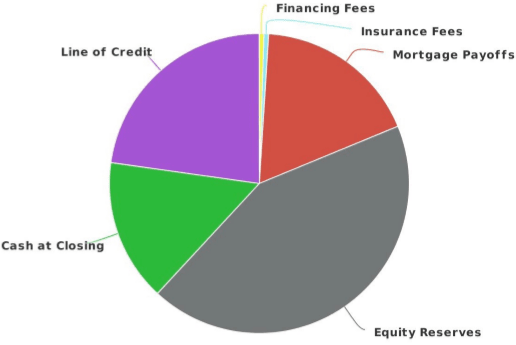
    • Understand the costs: The calculator can help you understand the potential costs associated with a reverse mortgage, such as interest, fees, and insurance.
    • Compare different lenders: You can use the calculator to compare offers from different lenders and find the best deal for your needs.

    Factors Affecting Reverse Mortgage Payments

    Several factors can influence the amount of money you can receive from a reverse mortgage and the size of your monthly payments. These include:

    • Your age: The older you are, generally the higher your monthly payments will be.
    • Your home’s value: The more your home is worth, the more you can potentially borrow.
    • Interest rates: Lower interest rates can lead to higher monthly payments.
    • The type of reverse mortgage: Different reverse mortgage products may offer varying terms and conditions.

    Using a Reverse Mortgage Calculator Effectively

    To get the most accurate results from a reverse mortgage calculator, it’s essential to:

    1. Gather accurate information: Ensure you have a reliable estimate of your home’s value and that you understand the interest rates currently being offered.
    2. Consider your long-term goals: Think about how you plan to use the funds from a reverse mortgage and whether it aligns with your financial objectives.
    3. Consult with a financial advisor: A professional can help you evaluate your options and determine if a reverse mortgage is the right choice for your situation.

    Frequently Asked Questions

    Who is eligible for a reverse mortgage?

    • You must be at least 62 years old.
    • Your home must be your primary residence.
    • You must be able to demonstrate that you can afford property taxes, homeowners’ insurance, and other necessary expenses.

    Can I still live in my home after getting a reverse mortgage?

    Yes, you can continue to live in your home for as long as you want.

    Do I have to repay the loan during my lifetime?

    No, you are not required to repay the loan while you are alive. The loan becomes due when you sell your home, move out, or die.

    Can I leave my home to my heirs?

    Yes, you can leave your home to your heirs. However, they will be responsible for repaying the loan balance.

    What are the potential risks of a reverse mortgage?

    • If you stay in your home for a long time, the loan balance can grow significantly.
    • If you sell your home before the loan is due, you may have to pay a prepayment penalty.

    Conclusion

    A reverse mortgage calculator is a valuable tool for understanding the potential benefits and drawbacks of a reverse mortgage. By using a calculator, you can make an informed decision about whether a reverse mortgage is the right choice for your financial situation.

  • www.voyaretirementplans.com register now – Start Saving Smart Today

    www.voyaretirementplans.com register now – Start Saving Smart Today

    Secure your future today. Take control of your retirement savings with Voya Financial. Visit www.voyaretirementplans.com and register now to access your employer-sponsored retirement plan and start building a brighter tomorrow.

    www.voyaretirementplans.com register now

    Retirement may seem like a distant horizon, especially for young professionals just starting their careers. However, securing your financial future requires taking proactive steps early on. One of the most crucial decisions you can make is enrolling in your employer-sponsored Voya retirement plan. This article will serve as your comprehensive guide to navigating the registration process and unlocking the power of your Voya plan.

    Why enroll in your Voya plan

    For instance, if you’re considering a Voya traditional IRA, you’ll enjoy tax-deductible contributions that can lower your taxable income and potentially reduce your tax bill. When you invest your contributions, your money grows over time through compounding interest, meaning you earn interest on your contributions and on the interest you’ve already earned.

    Many employers offer Voya 401(k) plans, which allow you to contribute a portion of your pre-tax salary to your retirement savings. Your employer may also match a portion of your contributions, essentially giving you free money to boost your retirement savings.

    Both traditional IRAs and 401(k) plans offer a variety of investment options, so you can choose a portfolio that aligns with your risk tolerance and investment goals. And, if you leave your job, you can typically roll over your Voya retirement savings into another retirement plan, such as an IRA or another employer’s plan, to avoid taxes or penalties.

    Voya also offers a variety of other retirement plans, such as Roth IRAs and employer-sponsored Roth 401(k) plans. With these plans, your contributions are not tax-deductible, but your withdrawals in retirement will be tax-free. This can be a good option if you expect to be in a higher tax bracket in retirement.

    No matter which Voya retirement plan you choose, one of the biggest benefits is that it can help you achieve financial security in retirement. Having a nest egg can help you maintain your lifestyle after you stop working and cover your living expenses.

    Benefits of enrolling in Voya retirement plan

    Voya offers a variety of retirement plans, so the specific benefits of enrolling will depend on the plan you choose and your employer’s contributions. However, there are some general benefits of participating in any Voya retirement plan:

    Tax advantages:

    Contributions to your Voya retirement plan are typically tax-deductible, which can lower your taxable income and potentially reduce your tax bill.

    Compounding interest:

    When you invest your retirement contributions, your money grows over time through compounding interest. This means you earn interest on your contributions, and you also earn interest on the interest you’ve already earned.

    Potential employer match:

    Many employers offer to match a portion of your contributions to your Voya retirement plan. This is essentially free money, so it’s a great way to boost your retirement savings.

    Variety of investment options:

    Voya offers a wide range of investment options, so you can choose a portfolio that aligns with your risk tolerance and investment goals.

    Portability:

    If you leave your job, you can typically roll over your Voya retirement savings into another retirement plan, such as an IRA or another employer’s plan. This helps you avoid paying taxes or penalties on your savings.

    Professional guidance:

    Voya offers a variety of resources and tools to help you plan for your retirement. This includes retirement calculators, investment advice, and educational materials.

    Financial security:

    The biggest benefit of participating in a retirement plan is that it can help you achieve financial security in retirement. Having a nest egg can help you maintain your lifestyle after you stop working and cover your living expenses.

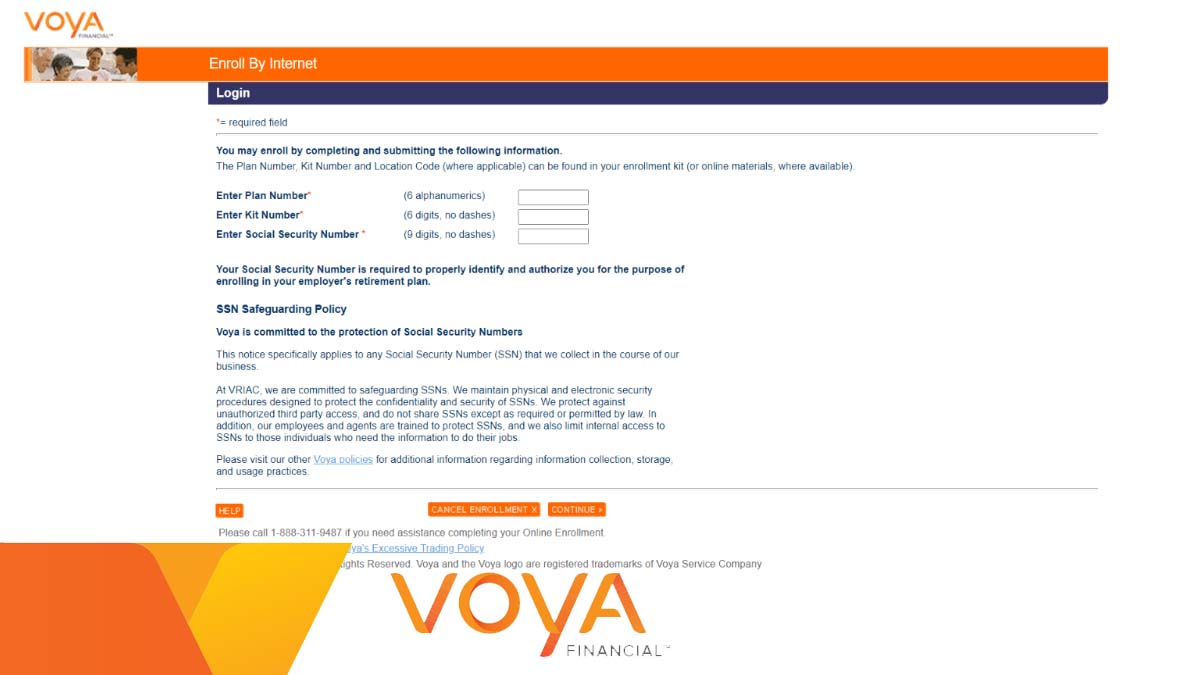
    Step-by-step www.voyaretirementplans.com register now

    1. Gather Information:

    • Obtain your employee ID and other relevant information from your Human Resources department.
    • Familiarize yourself with your Voya plan options, including contribution limits and investment choices.

    2. Access the Voya website:

    • Visit the Voya website dedicated to your employer’s plan. You can usually find the link through your company’s intranet or by contacting Human Resources.

    3. Create an Account (if new):

    • Provide your personal information and choose a secure password.

    4. Complete the Enrollment Form:

    • Select your desired contribution amount and investment options.
    • Review your beneficiary information and ensure it is accurate.
    • Electronically sign the enrollment form.

    5. Congratulations! You’re Enrolled!

    Remember, enrolling is just the first step. Regularly review your Voya plan contributions and investment choices to ensure they align with your evolving financial goals and life circumstances. Don’t hesitate to seek guidance from Voya’s financial advisors or online resources if you need personalized support.

    Tips for Choosing the Right Investment Options

    • Assess your risk tolerance: Consider your ability to handle market fluctuations and choose investments that align with your comfort level.
    • Define your retirement goals: Determine how much you need to save and when you plan to retire to guide your investment selection.
    • Seek professional advice: Consult with a financial advisor for personalized recommendations based on your individual circumstances.

    FAQs

    Can I contribute more to my Voya retirement plan?

    Whether you can contribute more to your Voya retirement plan depends on several factors:

    • Plan type: Contribution limits vary by plan type. For example, traditional IRAs have different limits than 401(k) plans.
    • Current contributions: Your current contribution level compared to the annual limit determines the potential remaining room.
    • Catch-up contributions: If you’re age 50 or older, you may be eligible for catch-up contributions that allow exceeding the standard limit.
    • Employer match: Some employers match a portion of your contributions, potentially affecting your available contribution space.

    What happens if I don’t enroll in my Voya retirement plan?

    Missing enrollment in your Voya retirement plan has several potential consequences:

    • Missed tax benefits: Contributions to Voya plans are often tax-deductible, lowering your taxable income and potentially reducing your tax bill. Skipping enrollment means missing out on these benefits.
    • No employer match: If your employer offers a match, not enrolling means forfeiting this free money that could significantly boost your retirement savings.
    • Lower retirement income: Without accumulating retirement savings through your Voya plan, you might face financial challenges in your later years and rely solely on Social Security or other income sources.
    • Limited investment opportunities: Voya plans often offer diversified investment options unavailable in personal savings accounts. Missing out on these can mean a less robust retirement portfolio.