
Tag: eligibility

  • Reverse Mortgage Application Process – A Step-by-Step Guide

    Reverse Mortgage Application Process – A Step-by-Step Guide

    Navigating the path to a reverse mortgage involves understanding its application process, a journey with distinct stages and requirements. This process empowers homeowners aged 62 and above to tap into their home equity without selling their property, providing financial flexibility during retirement. Learn the reverse mortgage application process. Learn about eligibility, required documents, and steps involved from start to finish.

    Reverse Mortgage Application Process

    From initial eligibility assessment and mandatory counseling to detailed financial and property evaluations, each step in the application ensures both the lender’s and borrower’s interests are protected. The process concludes with a loan closing, where homeowners gain access to their chosen disbursement method, whether a lump sum, line of credit, or monthly payments.

    Understanding Reverse Mortgages

    • What is a Reverse Mortgage? It’s a type of loan that allows you to convert a portion of your home equity into cash. Unlike traditional mortgages, you don’t have to make monthly payments. The loan is typically repaid when you sell the home, move out permanently, or pass away.
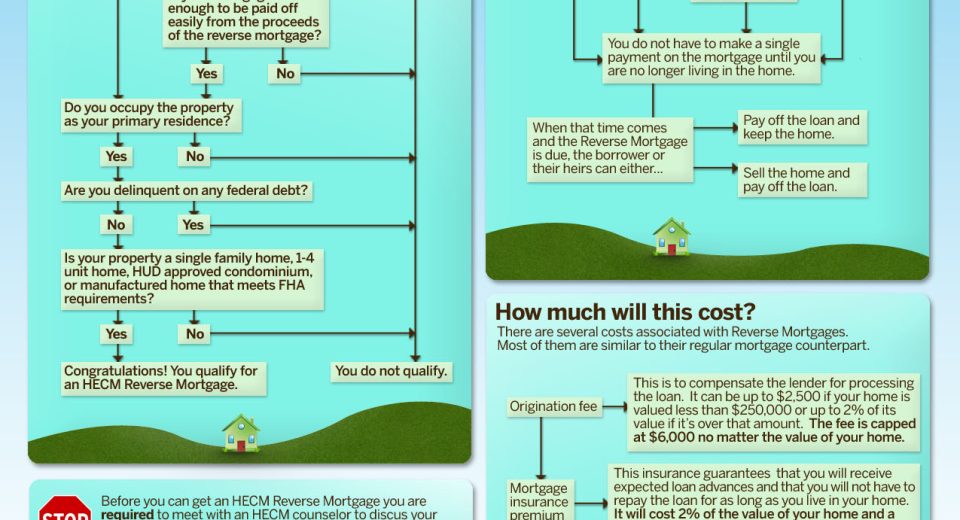
    • Eligibility Requirements: To qualify, you generally must be at least 62 years old, own your home outright or have a low mortgage balance, and live in the home as your primary residence.  
    • Types of Reverse Mortgages: The most common type is the Home Equity Conversion Mortgage (HECM), insured by the Federal Housing Administration (FHA). There are also proprietary reverse mortgages offered by private lenders.

    The Reverse Mortgage Application Process

    The reverse mortgage application process involves several crucial steps:

    1. Counseling:

    • Mandatory Requirement: Before applying, you must complete counseling with a HUD-approved counselor.
    • Purpose: The counseling session aims to ensure you fully understand the terms, benefits, and potential drawbacks of a reverse mortgage.
    • Topics Covered: The counselor will discuss eligibility requirements, loan options, financial implications, and alternatives to reverse mortgages.

    2. Choosing a Lender:

    • Research: Compare offers from different lenders, considering interest rates, fees, and customer service.
    • Reputation: Choose a lender with a solid reputation and experience in reverse mortgages.
    • Questions: Ask potential lenders about their specific requirements and the application process.

    3. Application Submission:

    • Documentation: Gather necessary documents, including proof of age, income, homeownership, and current mortgage information.
    • Completeness: Ensure your application is complete and accurate to avoid delays.
    • Assistance: Your lender or a housing counselor can help you complete the application if needed.

    4. Home Appraisal:

    • Purpose: An appraisal determines your home’s current market value, which affects the loan amount you can receive.
    • Appraiser Selection: The lender will typically select an appraiser, but you may have some input.
    • Accessibility: Ensure the appraiser has access to all areas of your home for a thorough evaluation.

    5. Underwriting and Approval:

    • Review: The lender’s underwriters will review your application, appraisal, and financial information.
    • Credit Check: Your credit history will be evaluated, but a perfect score isn’t required.
    • Decision: You’ll receive a loan approval or denial based on the underwriting review.

    6. Closing:

    • Review Documents: Carefully review all loan documents before signing.
    • Legal Representation: Consider consulting an attorney to ensure you understand the terms and implications.
    • Funds Disbursement: After closing, you’ll receive the funds according to the chosen disbursement option (lump sum, line of credit, or monthly payments).

    Factors Affecting Eligibility

    Several factors influence your eligibility for a reverse mortgage:

    • Age: You must be at least 62 years old.
    • Homeownership: You must own your home outright or have a low remaining mortgage balance.
    • Primary Residence: The home must be your primary residence.
    • Financial Assessment: You must demonstrate the ability to pay property taxes, and insurance, and maintain the home.

    FAQs

    Who is eligible for a reverse mortgage?

    To be eligible, you must be at least 62 years old, own your home outright or have a low mortgage balance, and occupy the home as your primary residence.

    What are the costs associated with a reverse mortgage?

    Costs can include origination fees, closing costs, mortgage insurance premiums, and servicing fees. It’s essential to understand these costs upfront.

    Can I still sell my home if I have a reverse mortgage?

    Yes, you retain ownership of your home and can sell it at any time. The proceeds from the sale will be used to repay the reverse mortgage loan.

    What happens if I pass away or move out of my home?

    The loan becomes due and payable when you pass away, sell the home, or no longer live in it as your primary residence.

    How can I use the funds from a reverse mortgage?

    You can use the funds for various purposes, including supplementing retirement income, covering healthcare expenses, home repairs, or even travel.

    Conclusion

    The reverse mortgage application process can be navigated successfully with careful planning and understanding. By following the outlined steps, researching lenders, and seeking professional guidance, you can make an informed decision about whether a reverse mortgage is the right financial solution for you.

    Remember: This article provides general information about the reverse mortgage application process. It’s crucial to consult with a HUD-approved counselor and financial advisor to assess your individual circumstances and determine the best course of action.

  • Employment Insurance Benefits – Get the Support You Need

    Employment Insurance Benefits – Get the Support You Need

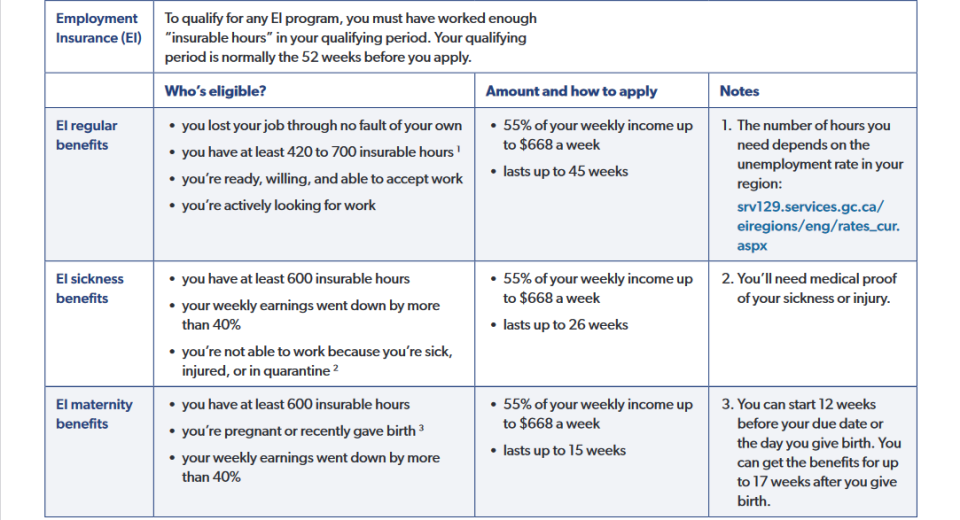
    Ever lost your job and worried about how you’d make ends meet? Employment Insurance Benefits, also known as Unemployment Insurance (UI), are a safety net designed to help people exactly in that situation. It provides temporary financial assistance to those who are unemployed through no fault of their own.

    Employment Insurance Benefits

    The program is funded by employers and offers a portion of your previous wages for a set period while you search for a new job.  Each state has its own eligibility requirements and benefit amounts, so it’s important to understand the specifics in your area. Learn about Employment Insurance Benefits and see if you qualify. Get answers to frequently asked questions and find out how to apply.

    What are Employment Insurance Benefits?

    Employment Insurance (EI) is a government program that provides temporary financial support to eligible unemployed individuals. It acts as a safety net while you actively search for a new job.

    Who is Eligible for EI Benefits?

    To qualify for EI benefits, you must meet the following general criteria:

    • Have lost your job through no fault of your own (voluntary quit or termination with cause may disqualify you).
    • Have accumulated a minimum number of insurable hours within the past year (specific number varies by region).
    • Be actively seeking work and be willing to accept suitable employment.

    This guide explores eligibility requirements in more detail later.

    How to Apply for EI Benefits

    Applying for EI benefits is a straightforward process:

    • Gather Required Documents: You’ll need your Social Insurance Number (SIN), Record of Employment (ROE) from your previous employer, and proof of your job search efforts.
    • Apply Online or by Phone: Most regions offer online applications or phone-based services for ease of access.
    • Complete Required Forms: Provide accurate information about your employment history, job search activities, and financial situation.
    • Wait for Processing: Processing times can vary, so be patient and follow up if necessary.

    We’ll delve deeper into the application process with clear instructions and helpful resources in a dedicated section below.

    How Much Will You Receive in EI Benefits?

    The amount of EI benefits you receive depends on several factors, including:

    • Your Average Weekly Earnings: Benefits are typically calculated as a percentage of your previous earnings.
    • Maximum Insurable Earnings: There’s a cap on earnings used to calculate benefits (varies by region).
    • A dedicated section later in this guide will explain how benefit amounts are determined.

    How Long Can You Receive EI Benefits?

    The maximum duration of EI benefits also varies depending on your circumstances, typically ranging from 14 to 42 weeks. We’ll explore the factors influencing benefit duration in a later section.

    What Happens if My EI Claim is Denied?

    If your EI claim gets denied, don’t despair. You have the right to appeal the decision. We’ll provide a clear roadmap for navigating the appeals process.

    Employment Insurance and Common Scenarios

    • Voluntary Quit: Quitting your job voluntarily generally disqualifies you from receiving EI benefits. However, there are exceptions for situations like just cause termination by your employer or accepting a new position that cannot start immediately.
    • Termination: If you are terminated without cause, you are likely eligible for EI benefits.
    • Travel While Receiving Benefits: Traveling while receiving EI benefits is generally discouraged, but there are limited exceptions with prior approval from the government agency.
    • Reporting Earnings: If you earn income while receiving EI benefits, you must report it to ensure you receive the correct amount.

    This guide will offer in-depth explanations for these and other common scenarios.

    Resources and Support

    This section equips you with valuable resources:

    • Official Government Websites: Links to official resources for applying and managing your EI claim.
    • Job Search Assistance: Resources to help you find a new job quickly and efficiently.
    • EI Contact Information: Contact details for your regional EI office if you require further assistance.

    FAQs about Employment Insurance Benefits

    What if I quit my job? Am I eligible for EI benefits?

    Generally, no. You won’t be eligible for EI benefits if you voluntarily quit your job without a valid reason.

    I’m self-employed. Can I collect EI benefits?

    No, EI benefits are only available to workers who have been employed by an insured employer.

    How do I prove I’m actively seeking work?

    You will need to keep a record of your job search activities, such as the jobs you applied for, companies you contacted, and job fairs you attended. You may be required to report these activities when you certify your eligibility for benefits each week.

    Can I travel while receiving EI benefits?

    Generally, you can travel within Canada while receiving EI benefits, but you must be reachable for potential job offers and job search activities. There are specific rules about traveling outside Canada, so it’s best to consult with the Department of Labor for more information.

    Conclusion

    Employment Insurance benefits play a crucial role in supporting individuals during periods of unemployment. By understanding the eligibility requirements, application process, and various scenarios, you can confidently navigate this program and secure the financial support you deserve. Remember, this guide is here to empower you throughout your job search journey.

  • Child Tax Credit 2024 – Get the Details You Need

    Child Tax Credit 2024 – Get the Details You Need

    Are you wondering if you qualify for the Child Tax Credit in 2024? This comprehensive guide will provide all the information you need to understand this valuable tax benefit for families with children. We’ll cover eligibility requirements, credit amounts, how to claim the credit and answer frequently asked questions.

    The Child Tax Credit (CTC) is a tax benefit designed to help families with the cost of raising children. For the 2024 tax year (filed in 2025), the CTC offers up to $2,000 per qualifying child, with a portion of it being refundable.

    Everything you need to know about the Child Tax Credit for 2024. Learn about eligibility, how much you can receive, and how to claim it.

    What is the Child Tax Credit for 2024?

    The CTC for tax year 2024 remains at $2,000 per qualifying child under the age of 17 on December 31st, 2023. However, there are changes to the refundable portion compared to the expanded credit in 2021.

    Key Points:

    • Maximum Credit: $2,000 per qualifying child
    • Refundable Amount: Up to $1,600 per child (may be used as a tax refund even if you don’t owe taxes)
    • Non-Refundable Amount: $400 per child (can only be used to reduce your tax bill)

    Who Qualifies for the Child Tax Credit in 2024?

    To qualify for the Child Tax Credit in 2024, you must meet the following criteria:

    • Tax Filing Status: You must file as single, married filing jointly, head of household, or qualifying widow(er) with dependent.
    • Income Limits: Your income must fall below a certain threshold. The exact limit depends on your filing status and the number of qualifying children you claim. You can find the latest income limits on the IRS website https://www.irs.gov/credits-deductions/individuals/child-tax-credit.
    • Qualifying Child: Your child must be under the age of 17 on December 31, 2023. They must be your biological or adopted child, stepchild, foster child, brother, sister, or grandchild who you have lived with for more than half the year.
    • Social Security Number: You must have a valid Social Security number (SSN) or Individual Taxpayer Identification Number (ITIN) for yourself and your qualifying child.

    How Much is the Child Tax Credit in 2024?

    For the 2024 tax year (filed in 2025), the CTC is worth up to $2,000 per qualifying child. However, the credit is partially refundable. This means:

    • $1,600 of the credit is refundable, which can increase your tax refund even if you don’t owe any taxes.
    • The remaining $400 is non-refundable and can only be used to reduce your tax liability.

    How to Claim the Child Tax Credit

    You claim the Child Tax Credit when you file your federal income tax return for 2024 (filed in 2025). You will need to include Form 1040 or Form 1040-SR and Schedule 8812, Credits for Qualifying Children, with your tax return.

    Maximizing Your Child Tax Credit

    • File Electronically: E-filing ensures faster processing and reduces the risk of errors.
    • Gather Necessary Documents: Have your Social Security number, your child’s Social Security number, and proof of income readily available.
    • Consider Additional Credits: Explore other tax credits you may qualify for, like the Earned Income Credit (EITC).
    • Seek Professional Help: If your tax situation is complex, consult a tax professional for personalized guidance.

    Latest Updates on the Child Tax Credit Expansion (as of April 25, 2024)

    The Child Tax Credit was significantly expanded in 2021, but these changes are not currently in effect for 2024.  A bill proposing a further expansion for tax year 2024 was introduced but has not yet passed. We will update this section with any new developments regarding the Child Tax Credit expansion.

    Frequently Asked Questions (FAQs) About the Child Tax Credit

    What happened to the expanded Child Tax Credit?

    There was a proposal to expand the Child Tax Credit for 2024, but it was not passed by Congress. This guide reflects the current, non-expanded version of the credit.

    Can I still get the Child Tax Credit if my child is 17?

    No, your child must be under 17 on December 31, 2023, to qualify for the credit.

    What if I don’t have all the required documents to claim the credit?

    Contact the IRS for assistance if you are missing any required documents, such as your child’s Social Security number.

    Where can I find more information about the Child Tax Credit?

    The IRS website https://www.irs.gov/credits-deductions/individuals/child-tax-credit has the latest information and resources on the Child Tax Credit.

    How much Child Tax Credit will I receive in 2024?

    You can receive up to $2,000 per qualifying child, with a maximum of $1,600 being refundable.

    What if I already filed my 2024 taxes?

    The Child Tax Credit is a credit claimed on your tax return. Since the filing deadline for 2024 taxes has passed (typically April 15th), you won’t receive any adjustments unless you file an amended return.

    Will the Child Tax Credit be expanded in 2024?

    As of April 2024, there is no confirmed expansion of the Child Tax Credit. A bill proposing an increase in the refundable amount was introduced but hasn’t been passed by the Senate.

    Conclusion

    The Child Tax Credit can be a valuable tax benefit for families with children. By understanding the eligibility requirements, credit amount, and claiming process, you can ensure you receive this tax benefit if you qualify. Remember, tax laws can change, so it’s always a good idea to consult with a tax professional or refer to the IRS website for the most up-to-date information.

    Check Out