

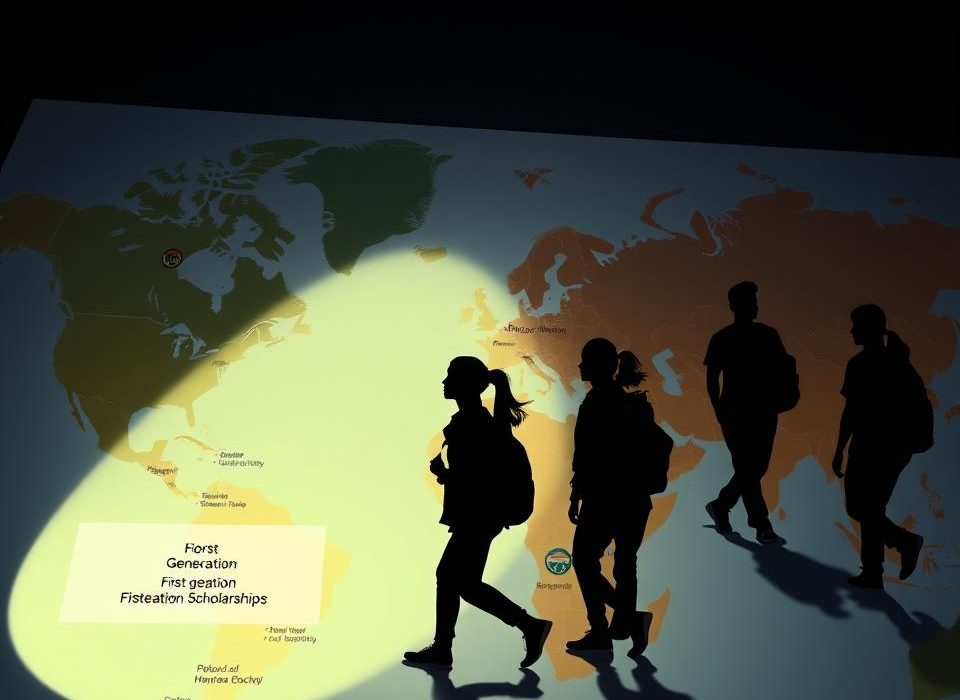
Starting college can be tough, especially for first-generation students. This guide aims to help them by sharing key info on scholarships and universities. It covers what it means to be a first-generation student, how to get financial aid, and how to adjust to campus life.
If you’re a high school student or an adult looking to go back to school, this guide has what you need. It talks about why college is important for first-generation students and shows you where to find scholarships. We want to motivate you to start your journey to a better future.
Defining First-Generation Students
First-generation students are those whose parents or guardians didn’t finish a four-year college degree. They often face special challenges as they try to get into higher education. They don’t have the family support and guidance that many others take for granted.
Who Qualifies as a First-Generation Student?
To be seen as a first-generation student, a person must be the first in their family to get a bachelor’s degree. This means their parents or legal guardians haven’t earned a four-year college degree. But, other family members like siblings or grandparents might have gotten a degree.
Challenges Faced by First-Generation Students
- Navigating the college application process without parental assistance
- Adjusting to the academic expectations and rigor of college-level coursework
- Balancing academic responsibilities with financial and family obligations
- Developing a support network and sense of belonging on campus
- Accessing campus resources and understanding the unwritten rules of higher education
First-generation students face big challenges, like not having family experience or guidance. But, with the right support and resources, they can beat these hurdles and do well in college.
“The path to higher education for first-generation students is often paved with unique challenges, but their determination and resilience make them true trailblazers in the pursuit of knowledge and personal growth.”
The Importance of Higher Education for First-Gen Students
For first-generation students, going to college is a big step. It can lead to better jobs, more money, and moving up in life. This helps break the cycle of poverty that has lasted for generations. A college degree can help first-gen students reach their dreams and grow both personally and professionally.
Research shows that first-generation college grads make more money over their lives than those with just a high school diploma. According to the U.S. Bureau of Labor Statistics, individuals with a bachelor’s degree earn, on average, $1.2 million more in earnings over their careers than those with a high school diploma. This means they can support their families better and live more comfortably.
“Pursuing higher education is not just about personal success – it’s about creating generational change and breaking the cycle of poverty. For first-generation students, a college degree can be the key to a brighter future.”
College also helps with social mobility and personal growth. First-gen students who graduate often inspire others in their communities. They become role models, showing the way for the next generation. This can change families and communities for years to come.
First-gen students face special challenges in college. It’s important to support them with the right resources and help. By helping them succeed, we can unlock their potential. This can lead to a brighter future for them, their families, and their communities.
Finding Scholarships for First-Generation Students
Finding scholarships can be tough for first-generation college students. But, it’s key to getting the funds for college. Luckily, there are many scholarships just for them.
Federal and State Scholarship Programs
The U.S. government has many scholarships for first-generation students. The Federal Pell Grant helps with need-based aid. The Federal Supplemental Educational Opportunity Grant (FSEOG) goes to students with the biggest need. States also have scholarships, like the California Student Aid Commission’s Cal Grant and the New York State Tuition Assistance Program.
Private and Institutional Scholarships
There are also private and school scholarships for first-generation students. Nonprofits, community groups, and colleges offer them. For example, the Gates Millennium Scholars Program, the Hispanic Scholarship Fund, and many school scholarships.
| Scholarship Program | Eligibility Criteria | Award Amount |
|---|---|---|
| Federal Pell Grant | Demonstrate exceptional financial need | Up to $6,895 per year |
| FSEOG | Exceptional financial need, Pell Grant recipient | $100 to $4,000 per year |
| Cal Grant (California) | Demonstrate financial need, meet academic requirements | Up to $12,570 per year |
| NYS Tuition Assistance Program (New York) | Demonstrate financial need, meet residency requirements | Up to $5,665 per year |
By looking into these scholarships, first-generation students can lessen their college costs. This lets them focus on their studies and personal growth.
Navigating the College Application Process
As a first-generation college student, the college application process can seem overwhelming. But, with the right strategies and guidance, you can feel confident as you go through it. We’ll cover key steps to help you get ready for standardized tests and write college essays that highlight your unique experiences and goals.
Preparing for Standardized Tests
Standardized tests like the SAT or ACT are important for college applications. They check your academic skills and knowledge. Many colleges look at these tests when deciding who to admit. Here are some tips to help you prepare:
- Get to know the test format and what it covers by looking at practice materials and taking sample tests.
- Make a study plan with regular practice and exercises to improve your skills.
- Look for tutoring or test prep resources, like free online courses or local programs, to get better at the test.
- Manage your time well during the test, and practice strategies like pacing and skimming to do your best.
Writing Compelling College Essays
The college essay lets you share your unique story and view. As a first-generation student, your personal experiences and goals can make a strong essay. Remember these tips when writing your essays:
- Think about your background, challenges, and successes, and pick a topic that shows your resilience and drive.
- Write a clear and engaging thesis that sums up your story and how it has shaped your goals and values.
- Use vivid language and specific details to make your experiences come alive and connect with the reader.
- Check and improve your essay, making sure it’s well-organized, error-free, and shows off your writing skills.
Mastering standardized test prep and writing great college essays will help you navigate the college application process as a first-generation student.
“The college application process may seem daunting, but with the right strategies and support, first-generation students can showcase their unique stories and aspirations to stand out in the admissions process.”
Scholarships and Universities
First-generation students face big challenges in higher education. But, there are many scholarships and universities ready to help. These resources can really change the game for first-gen students, giving them the chance they deserve.
Scholarships for First-Generation Students
There are special scholarships for first-generation students. These scholarships help cover tuition, fees, and more. The Gates Millennium Scholars Program, Posse Foundation Scholarships, and Ron Brown Scholar Program are some examples.
Many colleges also offer their own scholarships for first-gen students. For instance, the University of California First Generation Scholarship and the Vanderbilt University First-Generation Student Scholarship are great options. These scholarships can really help first-gen students pay for college.
Top Universities for First-Generation Students
Some universities are known for their great support for first-generation students. They have special programs and resources to help these students succeed. Here are some top universities for first-gen students:
- University of California, Los Angeles (UCLA)
- University of Texas at Austin
- University of Pennsylvania
- Georgetown University
- Amherst College
These universities offer first-year programs, peer mentoring, and career help. They aim to support first-gen students all the way through college.
First-generation students can really benefit from scholarships and the right university. By using these resources, they can face their challenges and reach their full potential.
Transitioning to College Life
For first-generation students, starting college is both thrilling and scary. It’s key to get used to the academic demands and find a support network for a great college experience.
Adjusting to Academic Expectations
College classes can be tough for first-gen students. They need to get used to more work, learning on their own, and thinking deeply. To make it easier, here are some tips:
- Go to campus orientations and workshops to learn about school rules and resources
- Work on good study habits and managing your time well
- Ask for help from academic advisors and teachers when you need it
- Use tutoring services and writing centers on campus if you can
Building a Support Network
Having a strong support network is key for first-gen students in college. Here’s how to do it:
- Join campus groups and clubs for first-gen students
- Use campus counseling and mental health services for emotional support
- Make friends with teachers and advisors for mentorship and advice
- Be part of peer support groups or study groups to share and learn
By tackling the challenges of college and building a strong support system, first-gen students can do well in school and in life.
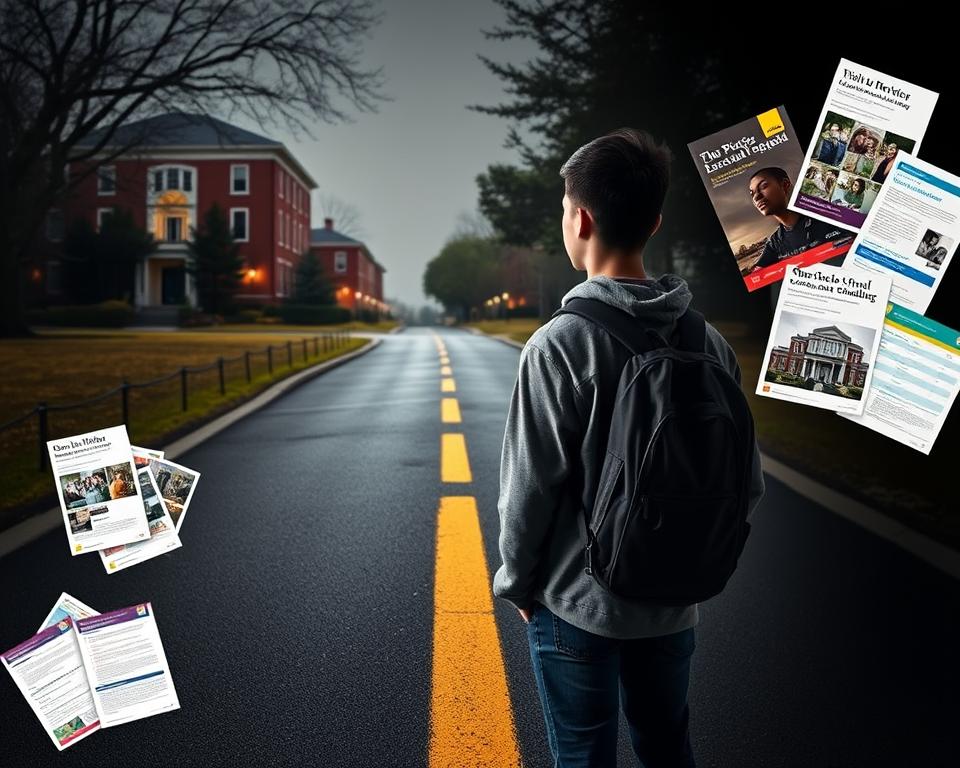
“The transition to college can be daunting, but with the right support and strategies, first-generation students can thrive in this new environment.”
Exploring Career Options and Graduate Studies
As first-generation college students, you bring a fresh perspective to the workforce. Your determination and resilience make you stand out. You can find jobs in many areas, from corporate jobs to starting your own business.
Going to graduate school can also boost your career. You can study business, law, healthcare, or STEM fields. These degrees improve your skills in critical thinking and problem-solving. They are very important in today’s job market.
| Career Paths for First-Generation Students | Graduate School Options |
|---|
- Business and Entrepreneurship
- Public Service and Non-Profit Organizations
- STEM (Science, Technology, Engineering, Mathematics)
- Healthcare and Social Services
- Education and Academia
- Master of Business Administration (MBA)
- Juris Doctor (JD) in Law
- Master of Science (MS) in Engineering or Technology
- Master of Social Work (MSW)
- Master of Education (M.Ed.)
Looking into career paths for first-generation students and graduate school options helps you find a fulfilling path. Make sure to research, network, and get advice from mentors. This will help you make the best choices for your future.
“Your background and experiences are not limitations, but rather unique strengths that can set you apart in the job market and in graduate studies. Embrace your identity and let it empower you to achieve your goals.”
Resources for First-Generation Student Success
Being a first-generation college student can feel overwhelming. But, many colleges in the U.S. have resources for first-gen student success. They offer support services and mentorship programs.
Campus Support Services
Colleges have campus support services for first-generation students. These services help with both academics and personal growth. They include:
- Academic advising to plan courses and majors
- Tutoring and study groups for better learning
- Career counseling to find career paths
- Mental health resources for college challenges
Mentorship Programs
Many colleges also have mentorship programs for first-generation students. These programs match students with mentors who offer guidance and advice. Mentors can help with:
- Improving study habits and time management
- Understanding campus policies and resources
- Finding a sense of community
- Exploring career paths and finding internships
Using these resources for first-gen student success can greatly improve a student’s college life. It helps with academics, well-being, and overall experience.
Success Stories of First-Generation College Graduates
First-generation college students face big challenges but show great resilience and determination. They beat many hurdles to get their degrees and open doors to a better future. Let’s look at some amazing stories of first-generation college graduates who have done incredible things.
Samantha Hernandez, the daughter of Mexican immigrants, shows what hard work can do. She got a full scholarship to a top university and did great in school. Now, she’s a successful software engineer, making a difference with her work.
Jamal Khan’s parents came from Pakistan, but money and cultural issues didn’t stop him. He got many scholarships, graduated top of his class, and now leads in public policy. He fights for more education chances for those who need them most.
| Name | Background | Achievements |
|---|---|---|
| Samantha Hernandez | Daughter of Mexican immigrants | Full scholarship to prestigious university, successful software engineer |
| Jamal Khan | Parents immigrated from Pakistan | Multiple scholarships, graduated with honors, leader in public policy |
| Aisha Lakhani | First in her family to attend college | Valedictorian, medical school admission, aspiring physician |
These first-generation college graduates inspire us all. Their stories show how education can change lives. With hard work, resilience, and support, first-gen students can achieve great things.
“Education is the key that unlocks the door to a world of opportunities for first-generation students. Their stories are a testament to the transformative power of higher learning.”
Empowering Future First-Generation Students
First-generation college students face special challenges, but they inspire us with their strength and will. As those who have been there, we must help the next group of pioneers. We can make a big difference by sharing our stories and offering guidance.
We can help future first-generation students by sharing our experiences. We can guide them through applying to college, handling schoolwork, and adjusting to campus life. Connecting them with resources, scholarships, and supportive groups can really help them succeed.
Schools and communities also have a big part to play. They should create programs that help first-generation students. By offering more support and celebrating different backgrounds, we can make sure these students feel welcome and ready to do well.