


In today’s fast-changing world, education is key to boosting economic growth and innovation. The saying “knowledge is power” rings true, showing how education can open doors to new chances for success and progress. This piece explores how education links to economic success, highlighting how investing in it can lead to a brighter future.
Education lays the groundwork for skilled workers, crucial for a strong economy. It gives people the knowledge, critical thinking, and flexibility needed to make a real difference in their communities and the economy. Education helps in starting new businesses and pushing tech forward, showing its big impact on economic growth.
The push towards a knowledge-based economy makes it clear how vital it is to grow intellectual capital. Education is key in creating a workforce that’s dynamic, innovative, and ready for the changing global market. By focusing on education, countries can set a strong base for lasting economic growth and lead globally.
The Power of Knowledge Economy
In today’s fast-paced world, education’s value goes way beyond what we used to think. Having an educated population is key to a strong knowledge economy. They have the skills to drive innovation and start new businesses. By encouraging learning throughout life and offering quality education, countries can build a workforce ready to create new ideas and technologies.
Nurturing Intellectual Capital
Intellectual capital is at the core of the knowledge economy. It’s the sum of a nation’s workforce’s knowledge, skills, and problem-solving abilities. Investing in education helps unlock citizens’ potential. It gives them the skills needed to do well in today’s job market. As knowledge is now the main asset, countries focusing on developing their intellectual capital will lead in the knowledge economy.
Fostering Innovation and Entrepreneurship
Skilled, educated people are key to innovation and entrepreneurship. These are the forces that keep economies growing. By encouraging innovation in schools, countries can raise a generation ready to spot and seize new opportunities. This leads to new products and services that drive the economy and make a nation a global leader.
| Metric | United States | China | Germany |
|---|---|---|---|
| Percentage of GDP Spent on R&D | 2.8% | 2.1% | 3.1% |
| Number of Patent Applications (2020) | 597,141 | 1,529,535 | 67,426 |
| High-Tech Exports (% of Manufactured Exports) | 18.2% | 25.1% | 15.3% |
The data highlights how intellectual capital and a focus on knowledge drive innovation and entrepreneurship. Countries that invest in R&D and education see benefits like more patent applications, high-tech exports, and competitiveness.
Building a Skilled Workforce
In today’s fast-changing job market, having a highly skilled workforce is key. By matching education with employer needs, countries can bridge the skills gap. This ensures workers have the right skills for their jobs. It boosts job prospects, productivity, and competitiveness in the economy.
Closing the Skills Gap
Many industries face a big challenge: the skills gap between workers and employers. This gap can slow down economic growth and make it hard for businesses to find the right people. To fix this, schools and the private sector must work together. They need to make sure education meets the job market’s needs.
- Facilitate collaboration between educators and employers to identify in-demand skills and tailor educational programs accordingly.
- Invest in vocational training and apprenticeship programs that provide hands-on, industry-specific experience.
- Encourage continuous learning and professional development opportunities to help workers adapt to changing job requirements.
| Skill Type | Importance to Employers | Educational Approach |
|---|---|---|
| Digital Literacy | High | Integrate technology-focused coursework and hands-on learning |
| Critical Thinking | Very High | Emphasize problem-solving, analytical, and decision-making skills |
| Communication | High | Provide opportunities for public speaking, writing, and interpersonal collaboration |
By closing the skills gap and building a skilled workforce, countries can open up new paths for growth, innovation, and global competitiveness.
“The true wealth of a nation lies not in its natural resources or financial capital, but in its people and their ability to create, innovate, and adapt.” – Sir Ken Robinson, education expert
Education: A Catalyst for Productivity
Education has a huge impact on the economy. Studies show that educated people work better, think more creatively, and adapt faster. This leads to more work done and more profits.
They also get better at using technology and handling the changing job world. This lets them quickly learn new things and keep up with market changes. This makes their companies more productive and competitive.
This, in turn, helps the whole economy grow and get better for everyone.
“Education is not just about preparing students for a job. It’s about preparing them to lead productive, meaningful, and fulfilling lives.”
Also, a well-educated workforce can lead to more innovation and new tech, products, and services. Education makes people curious and encourages them to explore new ideas. This leads to more productivity and progress in the economy.
So, investing in education is key for governments and businesses. It helps create a workforce that is skilled, adaptable, and innovative. This puts countries in a strong position for long-term economic success and boosts productivity.
Investing in Human Capital
Investing in education is a smart choice that benefits both people and the economy. By focusing on education, governments can help their people reach their full potential. This leads to big economic gains for everyone.
Returns on Educational Expenditure
More education means higher earnings, better health, and more active citizens. Research shows that more schooling leads to a 10% boost in lifetime earnings. Educated people also start new businesses, which helps the economy grow.
A World Bank report found that every dollar spent on education brings back $10 in economic growth over a person’s life. This shows how big an impact investing in people can have on a country’s wealth.
“Education is the most powerful weapon which you can use to change the world.”
– Nelson Mandela
By putting more money into education, leaders can help their people reach their best potential. The benefits are clear: a workforce that is skilled, productive, and innovative. This leads to economic growth and progress for society.
Education and Economic Mobility
Education is a key factor in changing society and improving economic status. It gives people the skills to move out of poverty and find better jobs. With good education, people can earn more and move up in life, making society more equal and prosperous.
Breaking the Cycle of Poverty
Investing in education, especially for those who are less fortunate, helps create a fairer society. Studies show that more education leads to better jobs, higher pay, and more wealth. This helps fight poverty and promotes economic equality.
A recent study by the Brookings Institution found that college grads make about $1 million more over their careers than those with just a high school diploma. This shows how education can change lives and help people escape poverty.
“Education is the most powerful weapon which you can use to change the world.”
– Nelson Mandela
By making education accessible and offering skills training, leaders can help people reach their goals. This not only helps the individual but also makes the whole country stronger.
| Indicator | High School Diploma | Bachelor’s Degree |
|---|---|---|
| Median Annual Earnings | $38,792 | $67,736 |
| Unemployment Rate | 5.4% | 2.5% |
| Poverty Rate | 12.5% | 4.4% |
The table clearly shows how much better off people are with a bachelor’s degree compared to just a high school diploma. This highlights how education can really change lives and fight poverty.
Enhancing Global Competitiveness
In today’s world, having a well-educated workforce is key to boosting a country’s global competitiveness. People with strong educational backgrounds have the skills needed to succeed in the international market. They know how to solve problems and adapt to new situations. By focusing on education, countries can build a workforce that can compete globally, leading to economic growth and a strong global position.
Education plays a big role in making a country competitive. Skilled workers with advanced degrees can lead to new discoveries, push technology forward, and start new businesses. This leads to a workforce that is creative, thinks critically, and can adapt easily. These skills are vital for doing well in the fast-paced global market.
| Key Factors | Impact on Global Competitiveness |
|---|---|
| Specialized Knowledge | Enables individuals to develop unique, in-demand skills that are highly valuable in the global economy. |
| Adaptability | Equips professionals with the ability to navigate and excel in diverse, rapidly changing international environments. |
| Problem-Solving Skills | Fosters the development of innovative solutions to complex, cross-border challenges. |
| Entrepreneurial Mindset | Empowers individuals to identify and capitalize on global business opportunities, driving economic growth. |
By investing in education, countries can become leaders in innovation and the economy. They can attract skilled workers and stay ahead in a changing world.
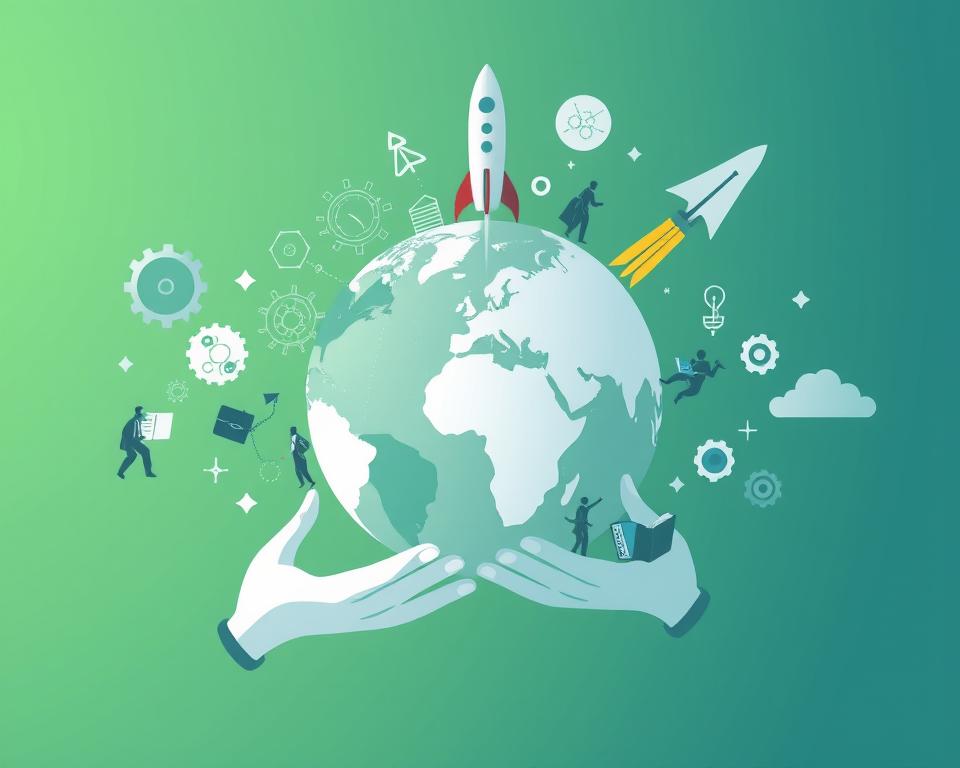
“The true wealth of a nation lies not in its natural resources or financial capital, but in its people and their collective knowledge, skills, and abilities.”
As the world connects more, a country’s global competitiveness depends on its people’s knowledge and skills. By focusing on education, countries can reach their full potential and stay competitive worldwide.
The Role of Education in Sustainable Development
Education is key to sustainable development. It gives people the knowledge and skills to tackle big environmental, social, and economic issues. By focusing on education and sustainable development, countries help communities become self-sufficient, innovative, and care for the environment. This leads to a better future for everyone.
Empowering Communities
When education and community empowerment are top priorities, communities get the tools they need. They learn about sustainable practices, renewable energy, and taking care of the environment. This makes them agents of change, working towards a greener future.
- Equipping communities with the knowledge and skills to implement sustainable solutions
- Cultivating a sense of environmental responsibility and civic engagement
- Empowering local initiatives that address pressing social and economic challenges
By investing in education and sustainable development, countries unlock their citizens’ potential. They become active in creating a fair and green world. This approach to education means communities can flourish, resources are used wisely, and everyone’s well-being is looked after.
“Education is the most powerful weapon which you can use to change the world.”
– Nelson Mandela
Bridging the Digital Divide
In today’s digital world, education is crucial for closing the tech gap. It ensures everyone has the skills and knowledge needed to succeed. By teaching tech skills through education, countries can prepare a workforce ready for the digital world. This leads to more innovation and economic growth.
Fostering Tech-Savvy Generations
To close the digital gap, schools must focus on teaching technology. Students need to learn the basics of the digital world. This means:
- Adding digital literacy and coding to school programs
- Giving students access to the latest technology
- Encouraging them to try out new tech
- Building a culture of innovation and entrepreneurship
By giving students a solid base in digital skills, we make sure the next generation is ready for the tech economy. This helps bridge the digital divide and opens up new opportunities for growth and success.
“Education is the most powerful weapon which you can use to change the world.” – Nelson Mandela
As we move forward in the digital age, it’s vital to invest in education. We need to teach our youth the skills they need for the tech world. By doing this, we can bridge the digital divide and create a future full of innovation and progress.
Education: The Key to Unlocking Potential
In today’s fast-changing world, education is key to unlocking the huge potential in people and societies. It gives people access to good learning chances. This helps them grow, use their talents, and help the economy and society grow too.
Education helps people grow personally and professionally. It also helps society move forward. By learning new things, people can get better jobs, move up in life, and get involved in their communities.
“Education is the most powerful weapon which you can use to change the world.” – Nelson Mandela
With education, people can improve their skills and think more innovatively. They can lead changes in the economy and society. Education helps create entrepreneurs and a skilled workforce, showing its big impact on a nation’s potential.
When countries work on making their educational systems better, they open new paths for their people. This helps everyone reach their highest potential. Leaders and policymakers can make a brighter, fairer, and more innovative future by seeing how powerful education is.
Challenges and Reforms in Education Systems
The US is working hard to make education a key driver of growth and innovation. But, it faces big challenges like funding issues, old buildings, and not everyone getting a good education. These problems make it hard to build a skilled workforce.
New reforms are bringing big changes. Leaders are updating what we learn, using technology, and making sure everyone can learn. They’re focusing on training teachers, improving STEM education, and teaching skills needed for today’s world.
This means the US is working towards creating a new generation of thinkers, problem-solvers, and entrepreneurs. As these changes take effect, the way we see education will change. This will lead to a brighter, more innovative, and fairer future for everyone.